The prices of mechanical watches have always been high, but there was always a certain amount of value that I could find in them. Now, though, prices have been rising, far outpacing inflation, and this seems to reflect the change in how people view them. They are becoming another tool for the wealthy to display their wealth and are becoming out of reach of those who may not care about them for what they say about one’s financial situation. Instagram is the best evidence of this evolution I can think of. And it hurts my heart to watch people act the way they do with watches.

Watches should be about the little machines, not the bragging rights. I want watches to be a part of my journey through life, not about how much they cost or what that may say about me. They are great pieces of engineering and art, and I want to make sure I remember that, despite the hype and flexing they attract now. So where does that leave EscapementSV?

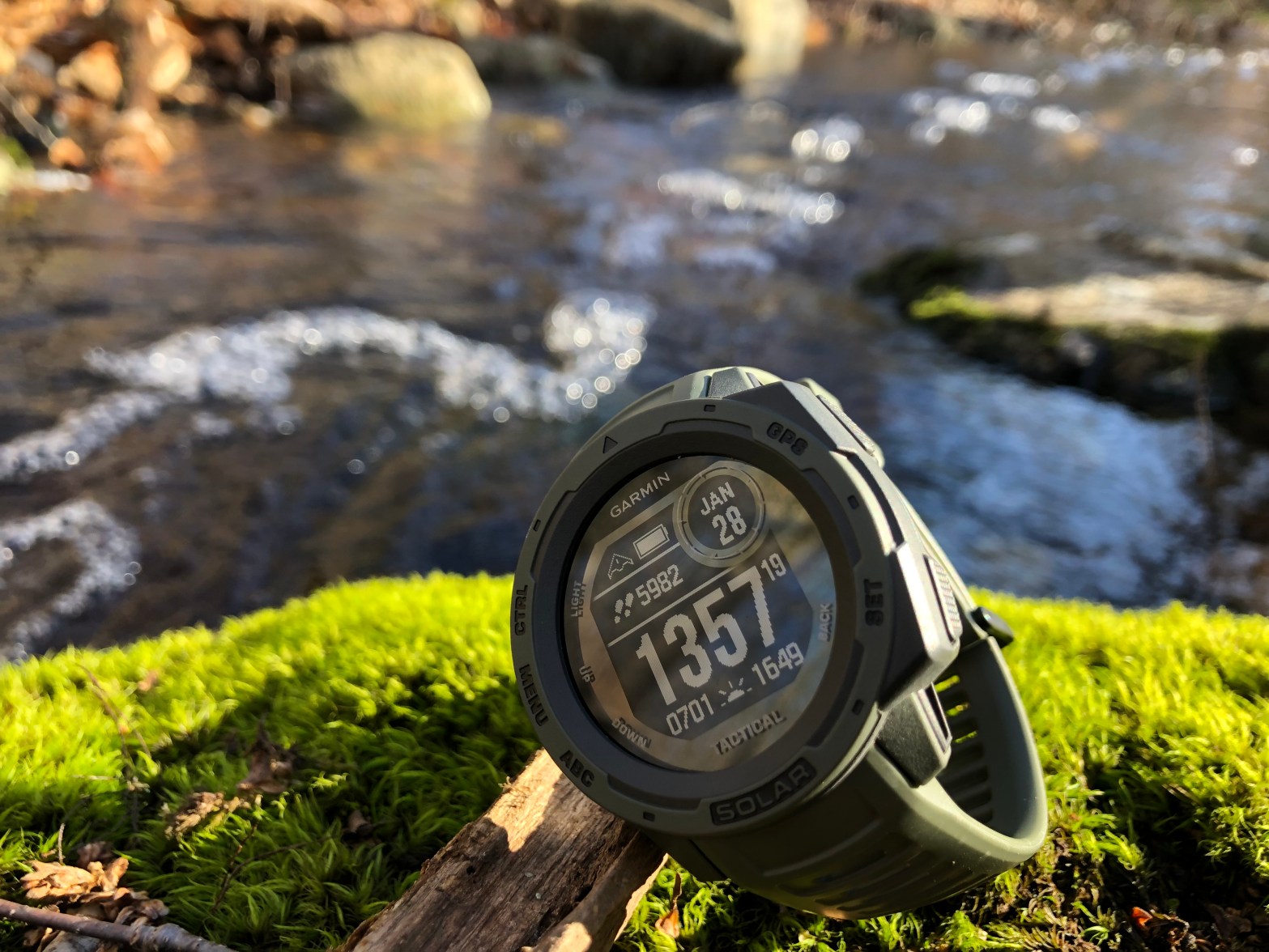
I still want to wear a watch, but I can’t justify the costs (not just monetary) associated with the mechanical watch world as easily as I used to. It was time to take a break from mechanical watches and look towards something different and more affordable, like a Casio G-Shock. It took less than a month for me to find a G-Shock that spoke to me, and I will also write about it soon. However, there was still something missing with the G-Shcok, mainly legibility, so I decided to look for another alternative. Something I told myself for years I would not buy: a “smartwatch.”
At the outset, I had some parameters I would not compromise on. The first was that it would not be an Apple or Samsung watch. I do not like either company that much, and both companies’ devices work best when paired with their respective phones; I do not want that. It had to be water-resistant to 100 meters, have a GPS that could run well without cell service, be thermal and shock resistant, and come in earth-tone colors. It had to be comfortable and repairable.
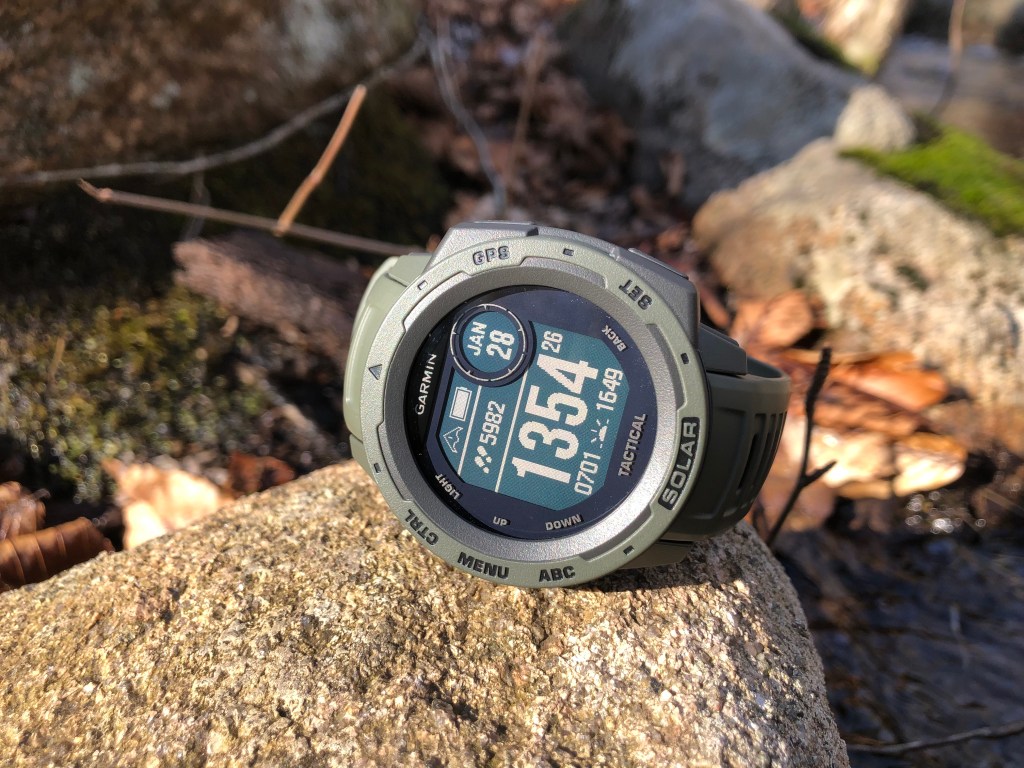
There was one more criterion I decided that I wanted after doing some research about the lifecycle of digital devices. I wanted it to be a refurbished unit, not a newly manufactured one. After a few weeks of research, I ended up with the Garmin Instinct Solar Tactical Edition (I do not like the tactical association, but whatever).
I owned another Garmin product, a Fortrex 401 wrist GPS, that I bought when I was still in the army. I loved it, despite its flaws. I bought it in 2011 or maybe 2012, and it was all the rage then. The GPS units they issued us were large, difficult to carry in the field on recon missions, and did not work in our up-armored vehicles. I remember watching my platoon sergeant repeatedly stick his hand out the window to get a signal. They were frustrating to use.
The Blue Force trackers were around then, but we did not have them on all our vehicles, and for dismounted ops, we could not use them, so we had to make do with the large and somewhat useless issued units. I remember seeing a Special Forces Captain with one of these Garmin units strapped to the stock of his M4A1, and I asked him about it. He told me how much he liked it and that it was great as a primary device for land navigation. I saved up and bought one within a few months.
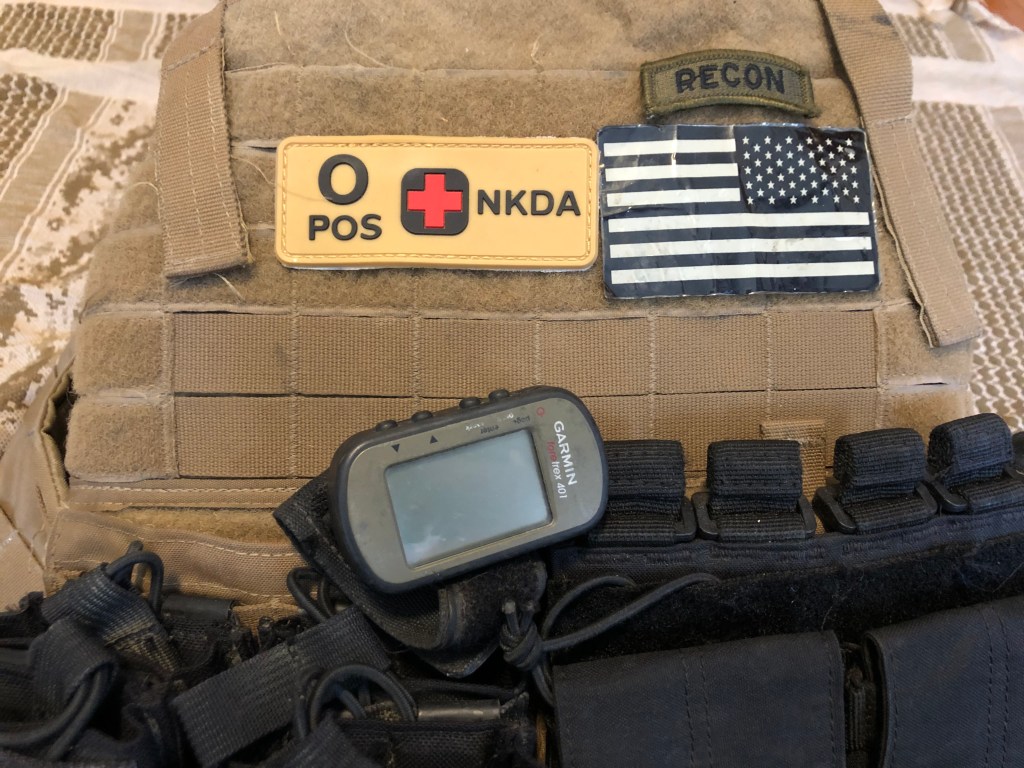
I used it a lot over the years. As a vehicle gunner, I strapped it to my wrist and helped guide us during exercises. It was very useful when doing dismounted ops, and it came in handy when one of the people in my unit lost a rifle, and we had to search the desert for it for a few days. It helped ensure we traveled in straight-ish lines and showed us the area we covered.
I found the best use for it when we had to do Survival, Evasion, Resistance, and Escape training at my unit. I hid it inside my body armor (which we wore throughout the ordeal. I know this is different from the actual SERE school. Oh well, we weren’t that hardcore) and found it helpful throughout the training exercise. When they dropped us off in the desert with our point to navigate towards, it was easy to pull the little GPS out and haul ass to the end. It was so helpful that my partner and I were the first to make it. And when they loaded us into the back of a truck to drive us back to the beginning because we got there too soon, we used it to find a good place to hide when we jumped out of the truck and ran away. I love that little GPS.
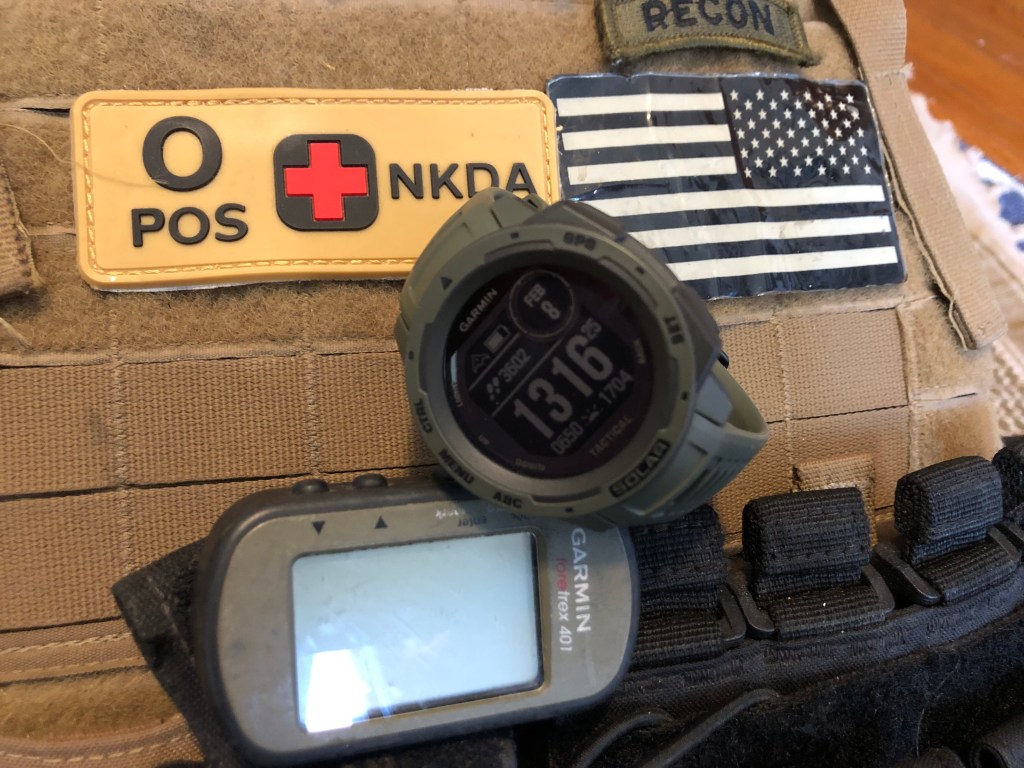
The only downside the Fortrex had was its battery life, and I had to ensure I had a supply of AAA batteries in my gear. I used it for years after I got out, and it finally broke two years ago. It isn’t worth repairing, or so I have been told, but I still keep it around.
I received a Suunto Ambit 2 while in the army, and I liked it for some things. I used it as a backup navigation tool, although I never used it much because the battery life was not very good. I kept it until 2019 and then sold it on eBay. After selling it, I was sure I would never return to this type of watch. However, this Garmin Instinct caught my attention.
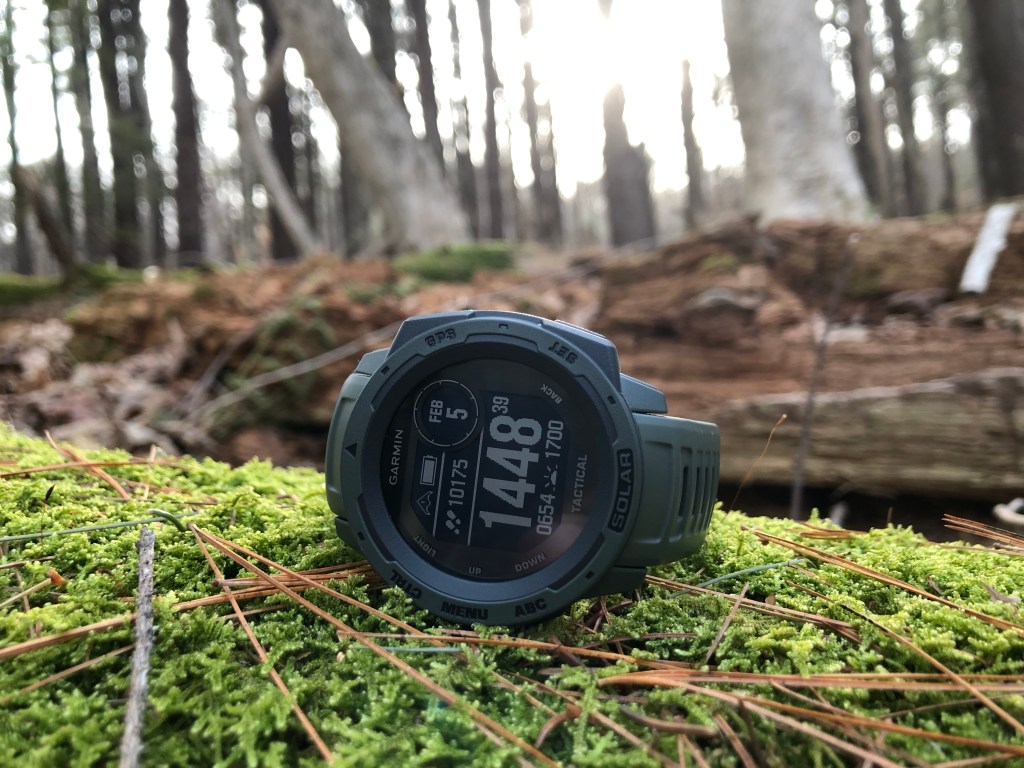
I hadn’t felt like I needed a GPS in Idaho. It is a land rich in topographical features, and I could always count on being able to navigate while using them. Also, I have many maps of the areas I hiked, and it was easy to always have my bearings. If I went places I didn’t know, I would bring a magnetic compass (I still do). However, moving to New England for a year of school changed this.

Here there are no terrain features I can see through the forests (sometimes in New Hampshire, I can get on top of a mountain, but that doesn’t happen all the time.), and unless I can see the ocean, I have found it is much easier to get turned around. I can use the sun, but sometimes I can’t see it well through the clouds, and the thick trees can make direction-finding more difficult than I am used to. I used my compass almost every time I went hiking, and more than a few times, I got turned around. I had to use my phone to help me navigate, but after a few hours, it would be drained of battery, and one time it was at 3% when I made it back to the car. There had to be something better.

I usually think a magnetic compass and some good maps are all a person needs; however, after one trip where I spent a few extra hours navigating, I felt a GPS watch may be a valuable tool to invest in. I never worry about being completely lost as there are so many people in this area, but it is a pain to have to spend a few extra hours looking for my car, and Caitlin gets testy with me if I am gone for five or six hours when I said I was going to be gone for two or three.
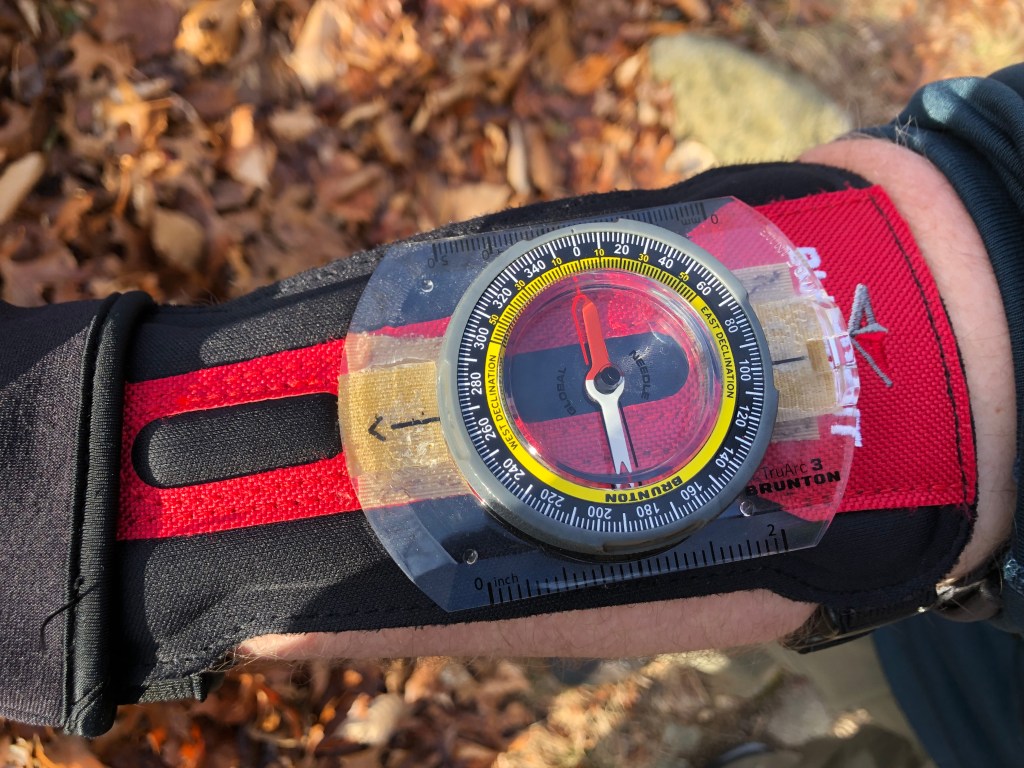
After looking at as many different wrist GPS units as possible, I settled on the Instinct and bought a factory refurbished from an authorized Garmin dealer. Interestingly, I sold my Casio G-Shock John Mayer, which I bought a few years ago, to fund this Garmin. I wouldn’t say I liked that watch, and do not miss it. I am over John Mayer.
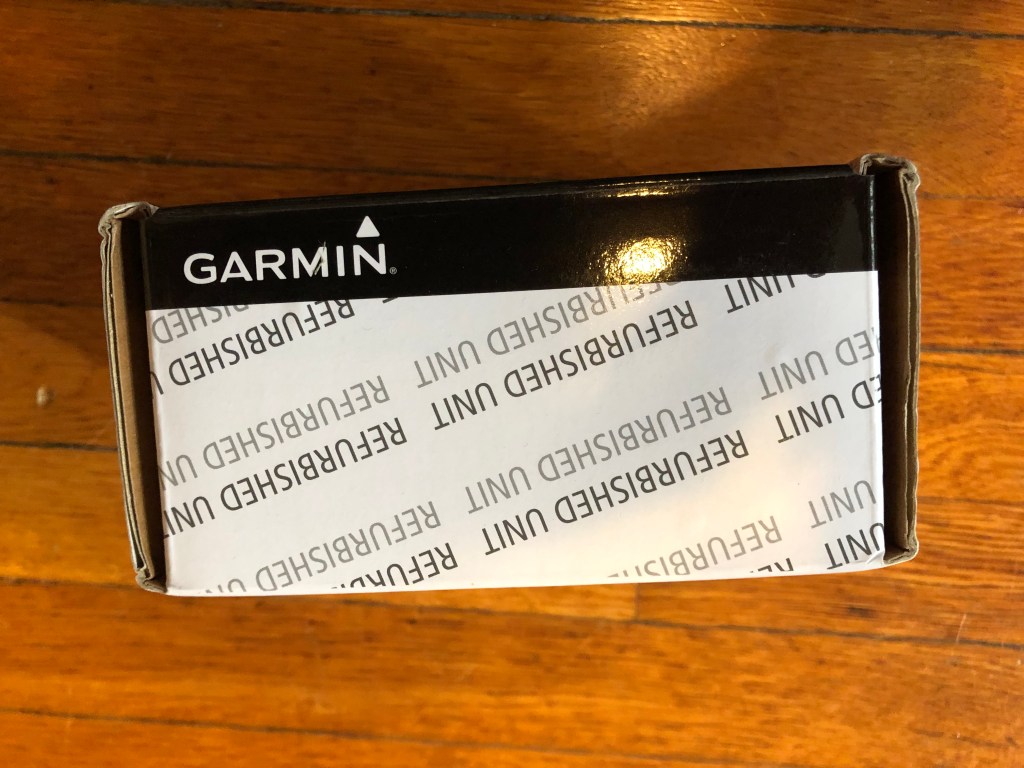
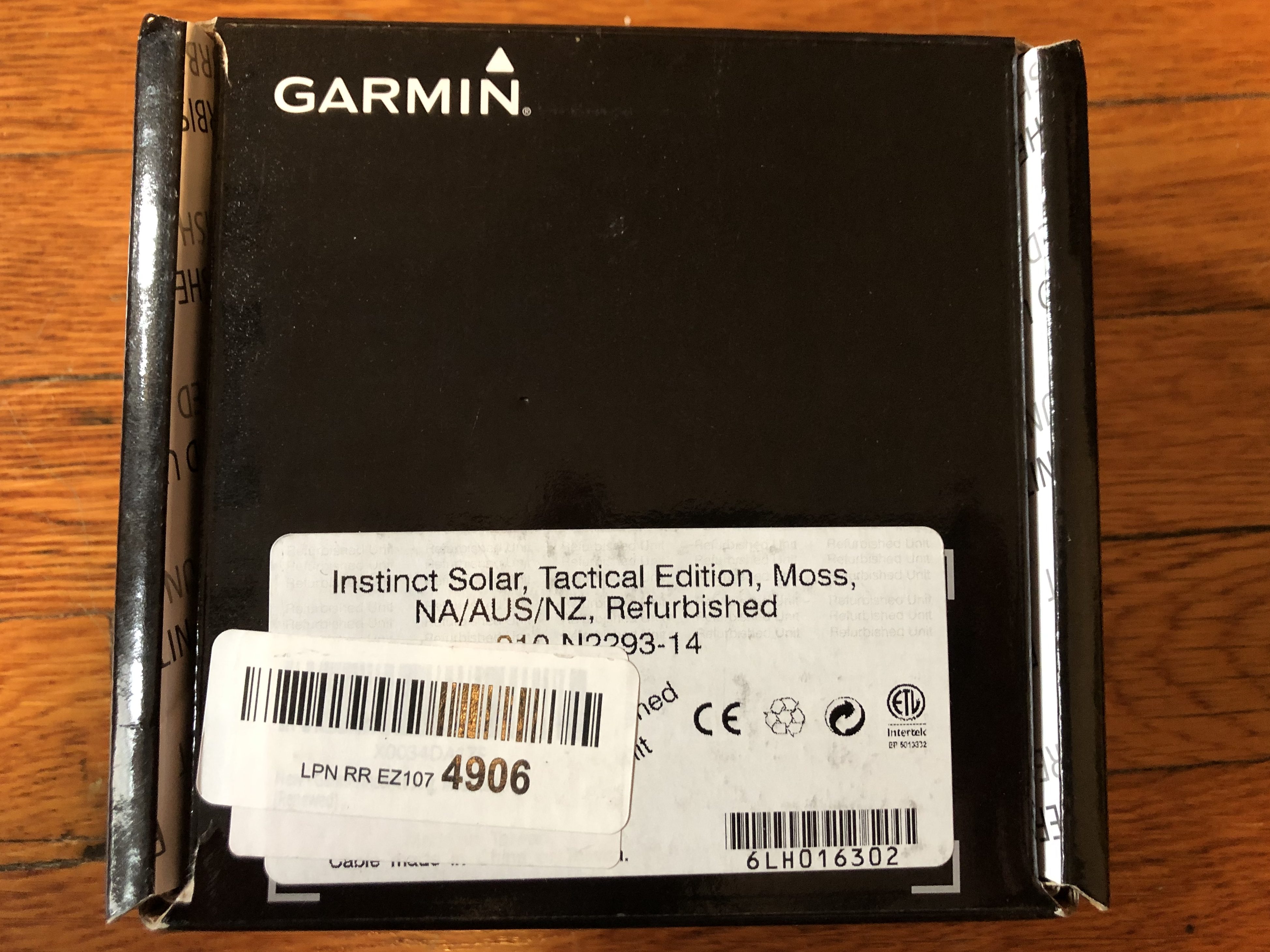
The Instinct arrived in a simple black Garmin box with a label clearly saying it was a refurbished unit. It was packaged in a plastic bag with bubble wrap, a charging cable, and some paperwork. It arrived with the battery at zero percent. But it only took forty-five minutes to charge it to 100%. This is an impressive charging rate.
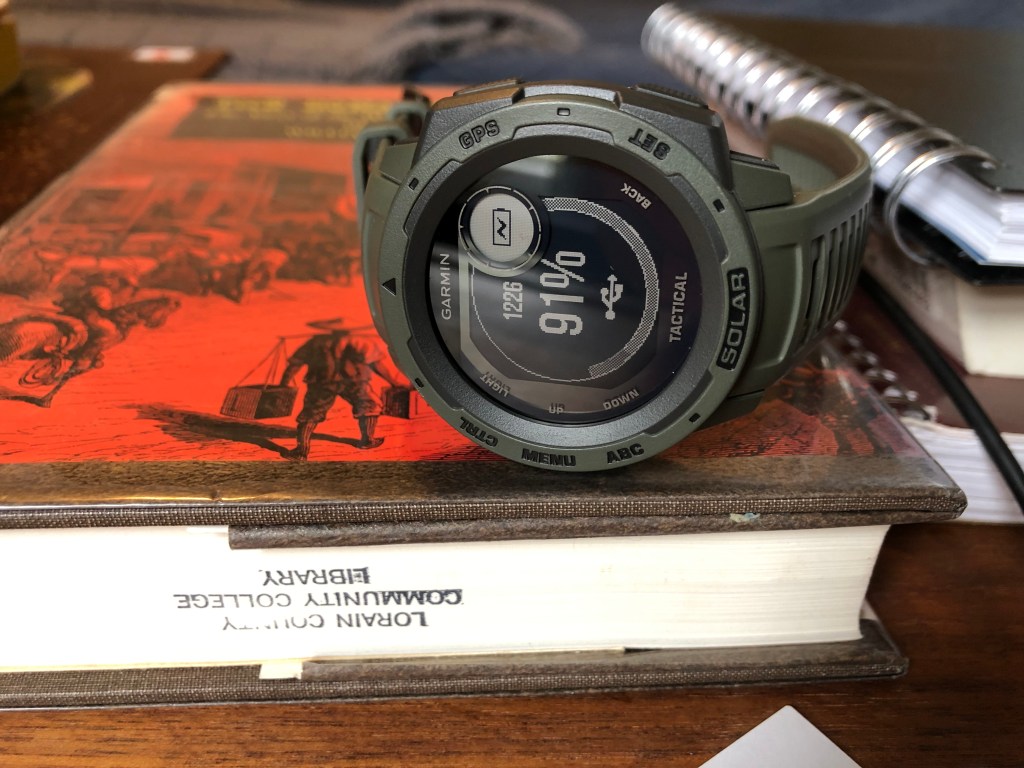
My first impressions were mixed. I liked how it looked, but I was slightly put off by how light it was. It weighs less than my G-Shock, which made me worry about its capacity to survive heavy use. On the wrist, though, it is very comfortable, and the reduced weight is noticeable. If you are used to wearing a mechanical watch, even one made from titanium, switching to the Instinct is a nice change in the weight you will feel on your wrist.
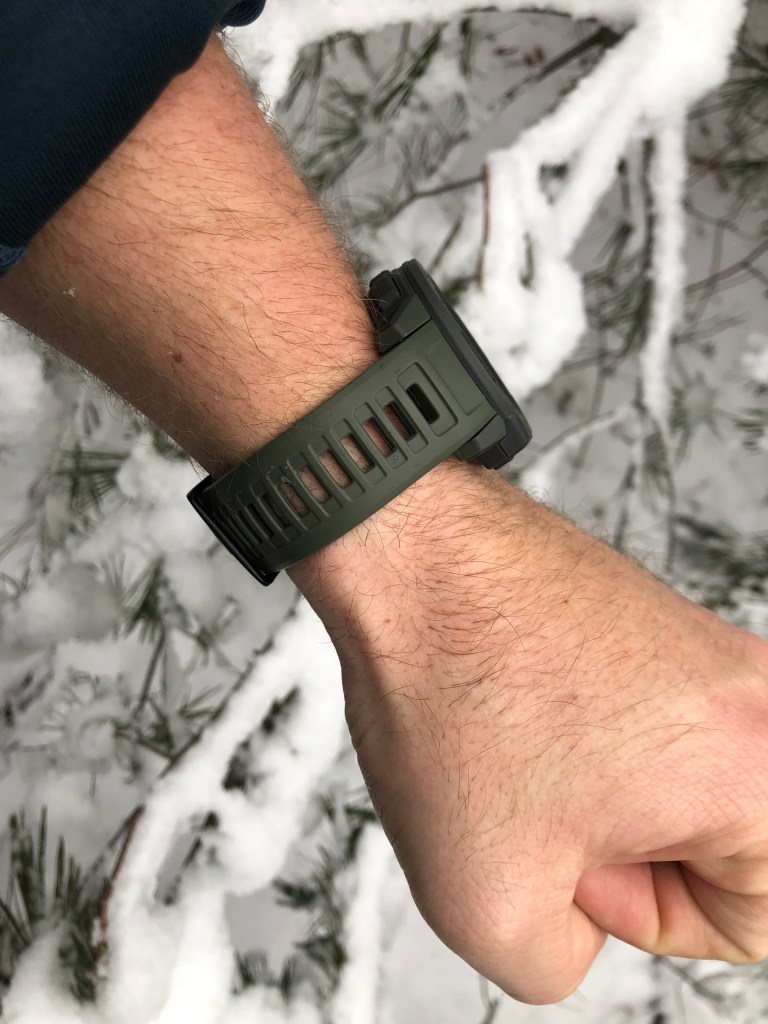
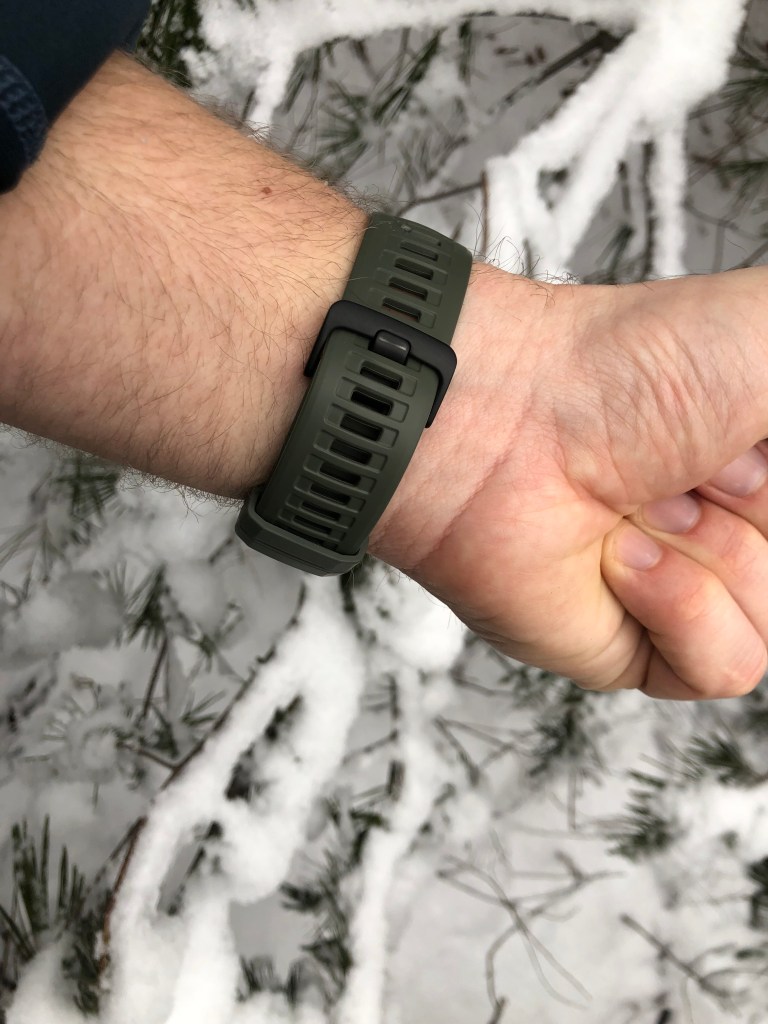
The silicone strap is very comfortable. Far more comfortable than any other rubber watch strap I have tried. It makes the Oyster Flex or the Everest straps seem like annoying handcuffs. The strap is so comfortable that I have no issue sleeping with it, something I have never been able to do with other watches. Replacement straps are around $40.00, so if this one breaks, it will be almost painless to replace it, unlike replacing a new Oyster Flex, at around $700, or an Everest at $240.
The case is made of plastic with a metal bezel and has five side buttons that control the watch’s functions. The bezel has markings to show the wearer the function of each button and a triangle at 12 to help with navigational bearings while using the compass. It was easy to understand how to use the watch after reading the manual and playing around for about twenty minutes.
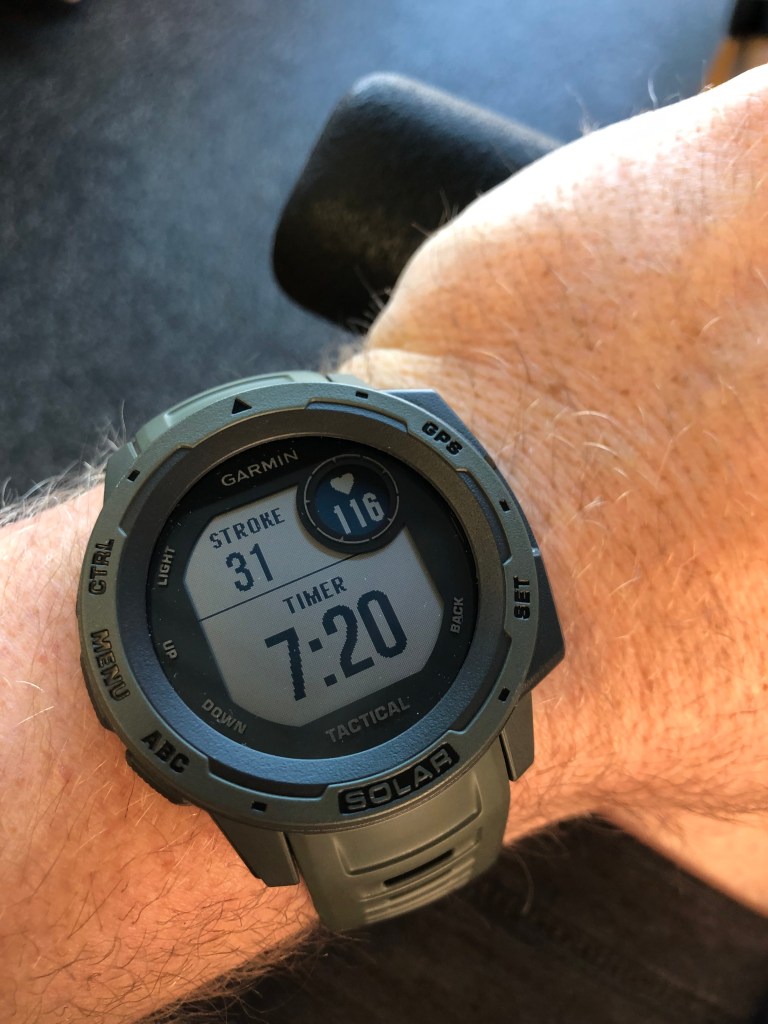
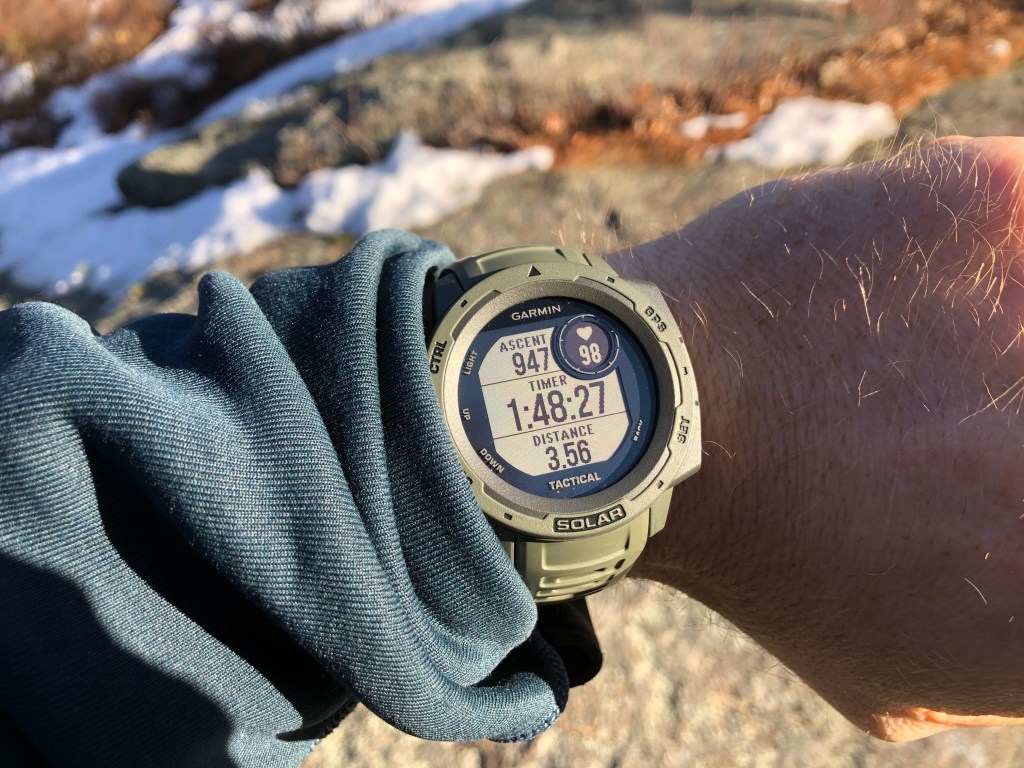
Of the features it offers, I currently use the compass, moon phase, step counter, navigation, activity tracking (hiking, walking, strength training, stair stepper, indoor rowing, running, climbing, basic cardio, and yoga), heart rate, altimeter, and weather. I turned off all notifications from my phone and removed that widget and pulse O2. When I return to Idaho this summer, I will re-install the pulse O2 for higher elevations. For example, the following pictures are taken from the different screens available to the user while on a leisurely walk.
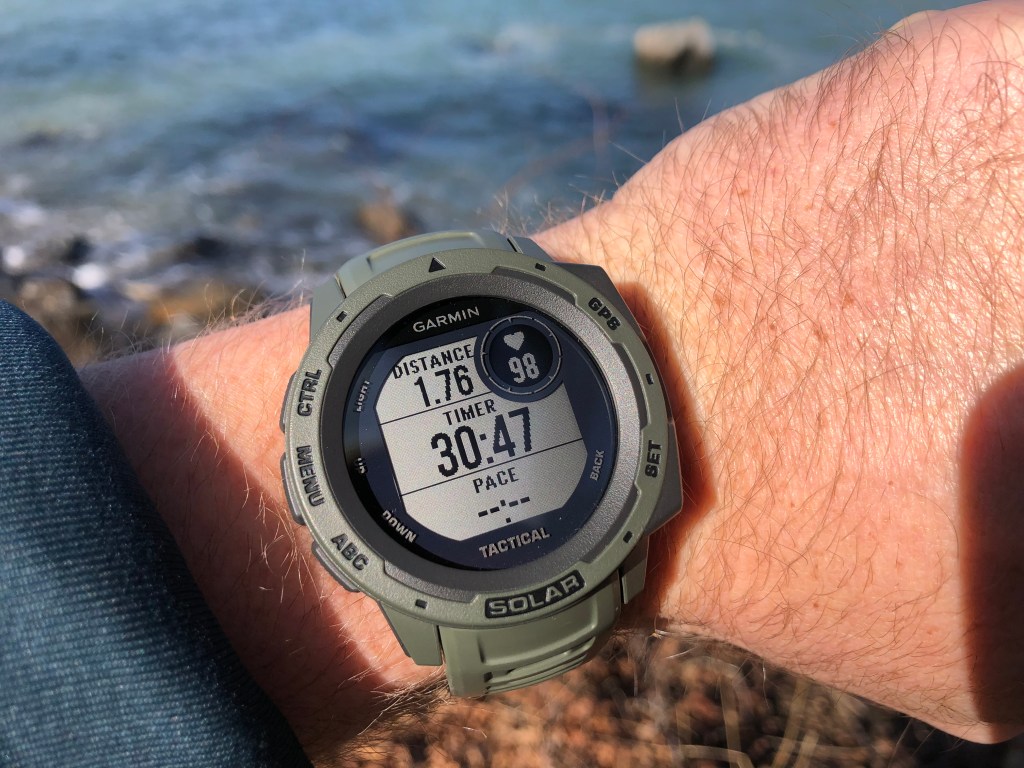
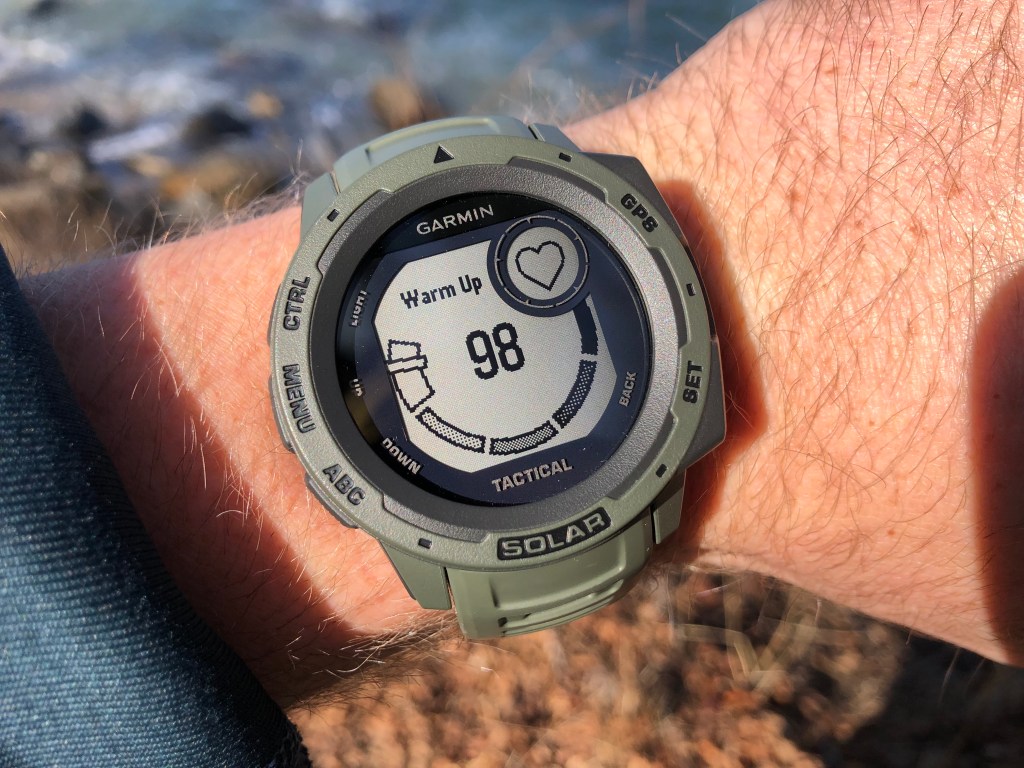
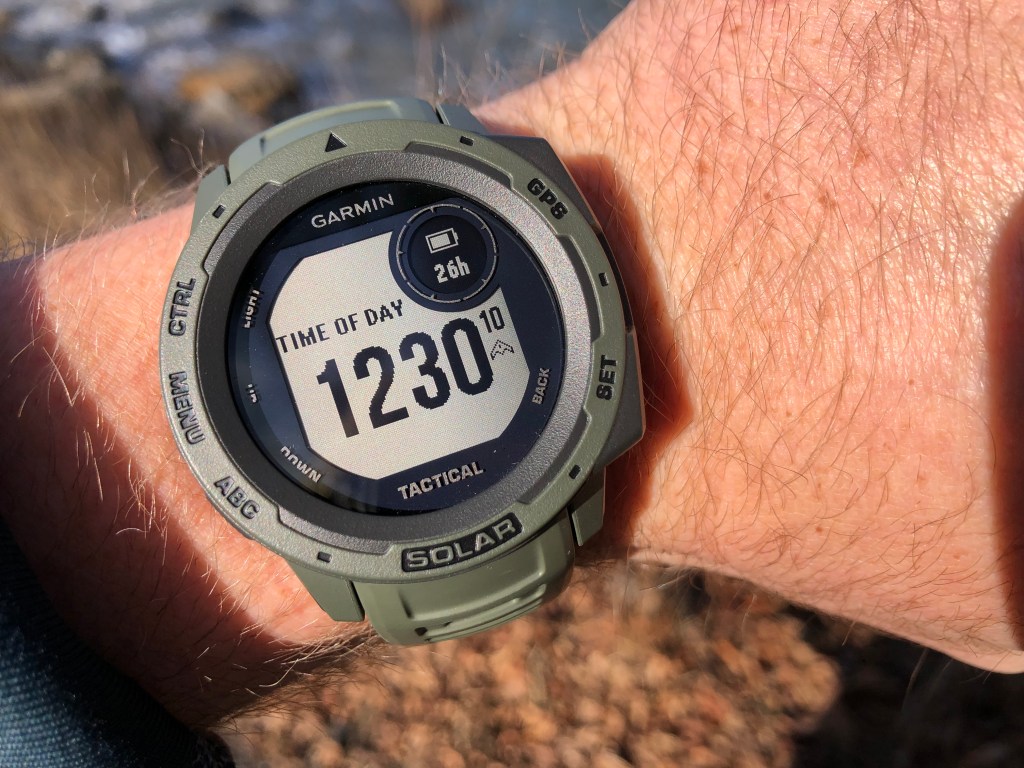
Navigating with the watch is easy, and I haven’t had any issues using it. It is easy to either set waypoints while wearing the watch or pre-load them using the Garmin Explore app. My first experience with this was at a colonial site known as Dogtown. It is an overgrown, beautiful mess of an area with many winding tracks and poor trail markings. I loaded some waypoints into the watch and could navigate to them with no problem, even through the thick forests.
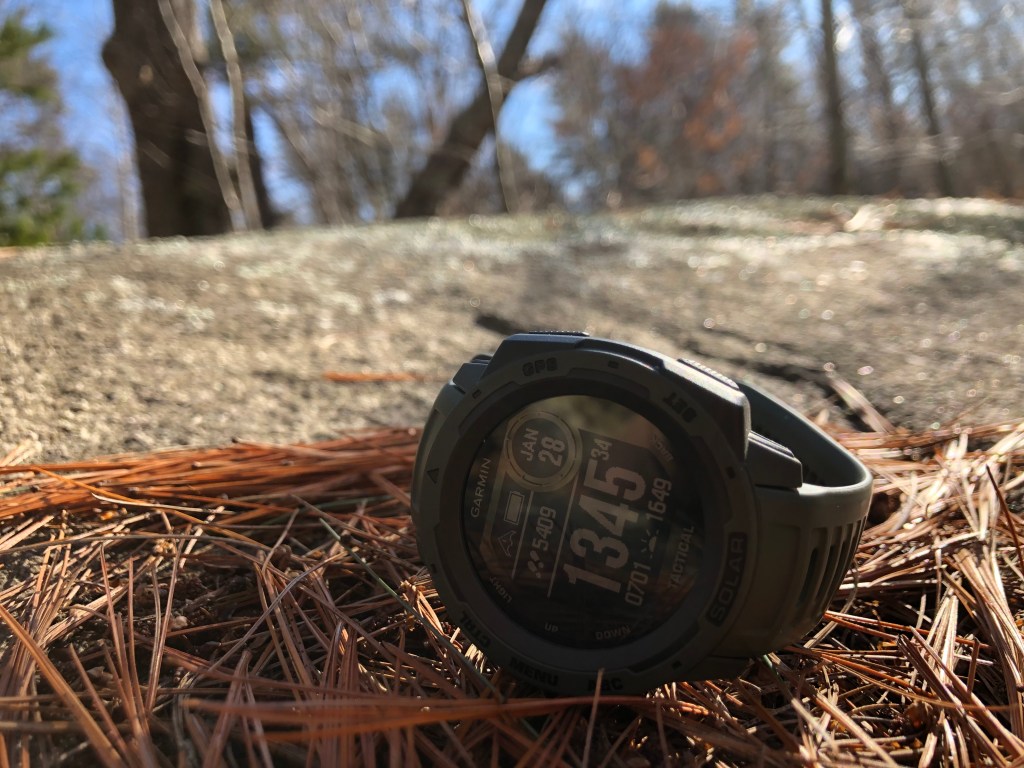
Tracking hikes with it is excellent as well. Even if I do not have a pre-loaded route, it follows my path and allows me to return to my starting point. It is straightforward, and although I haven’t used it yet to get unlost, I feel comfortable enough not to worry. The battery drops by about 8-10% during a two- or three-hour hike or activity. This is with my heart rate being tracked and full GPS capability turned on. As such, I can get about ten days of use out of one charge if I use it three hours a day. This supports Garmin’s claim about the 30-hour battery life for all GPS activities. I do wonder if solar charging will help improve that number. Charging the battery takes very little time, and I usually plug it in once I get to 50% set or if I go hiking in a new area. All the indoor activities it tracks do not use GPS or drain nearly as much battery. I usually use it for around an hour or so a day while at the gym, and I can’t tell any drop in the battery level during that time.
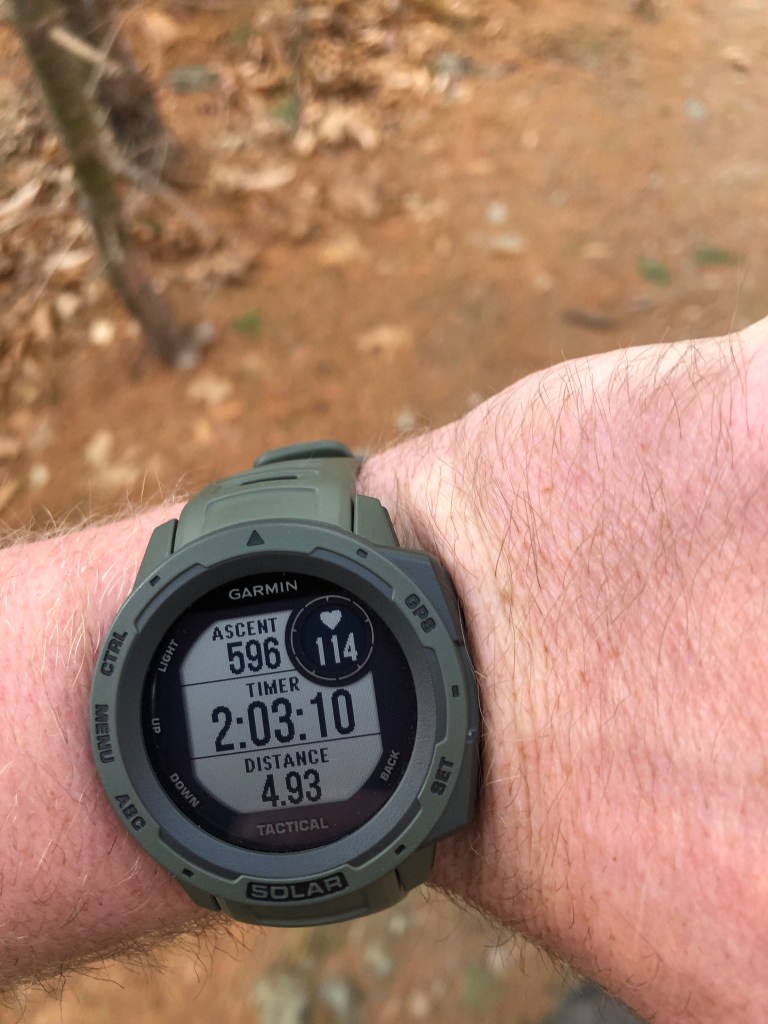
The battery life seems great, but it is still something I am cognizant of, even with its 30-hour battery life in full GPS mode. I will only run the GPS if needed if I am out for a few days. I load a waypoint into the watch before I leave; that way, if I need to navigate back, I can switch the GPS on and find it. The ability to read maps or track distance without GPS is a must, even with this excellent tool.
Most of the time, I turn the watch to the battery-saver mode when not doing an activity. It brings the battery life up from 36 days on a full charge (without doing any activity tracking, that is) to around 54 days with the watch face I chose to have displayed in battery-saver mode. If I simplified the face, I would get even more days of use. In battery-saver mode, it tracks steps, allows me to use the compass, and tells me the moon phase, the sunrise/set times, and solar charging levels. It also lets me enter navigation or activity tracking mode by pushing the GPS button.
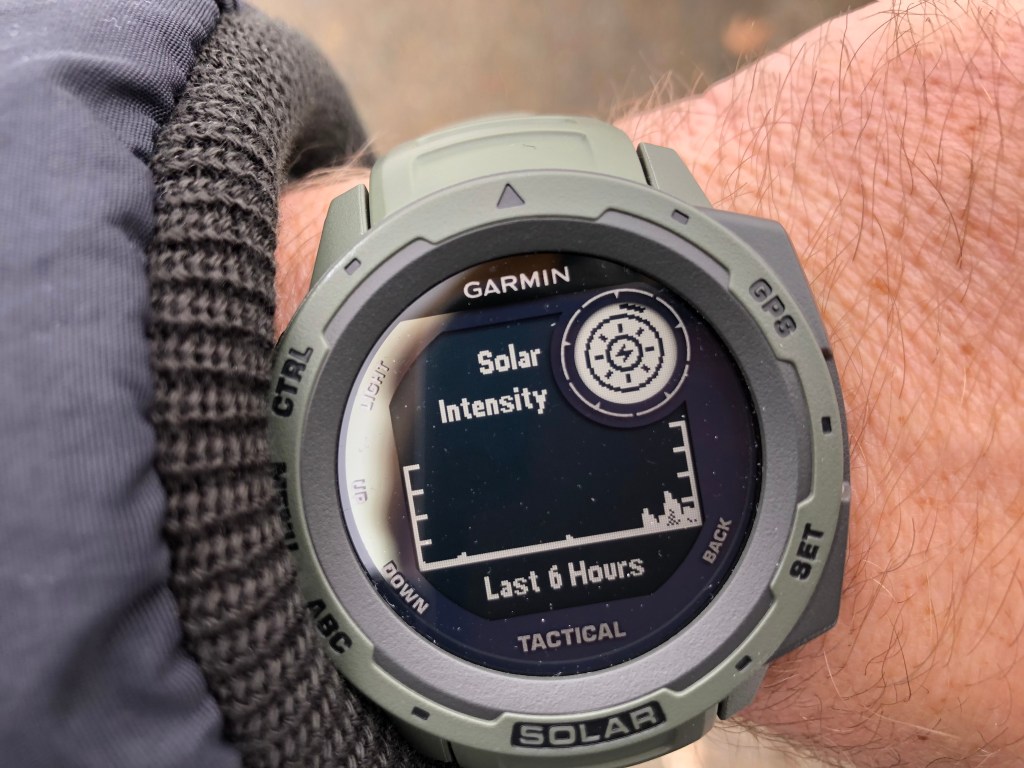
I have not yet had enough sunshine to test its solar recharging abilities for over thirty minutes. The manual says the watch needs three hours of sun a day, and this winter, that has been difficult to come by consistently. It starts charging when the sun shines, but I haven’t had enough time to see how long it takes to increase the battery level.
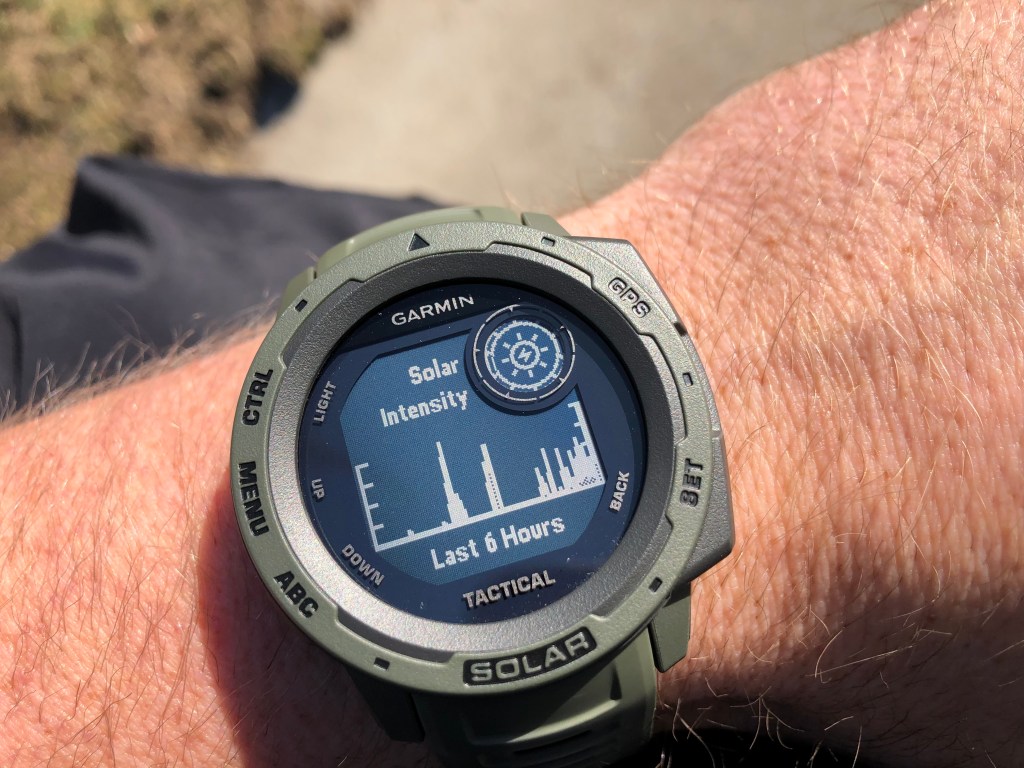
The GPS works well under trees and in the city. The watch acquires the satellites fast, and I have not had any problems losing GPS signals when walking through the thick woods. We will see how that changes once things leaf out a little.
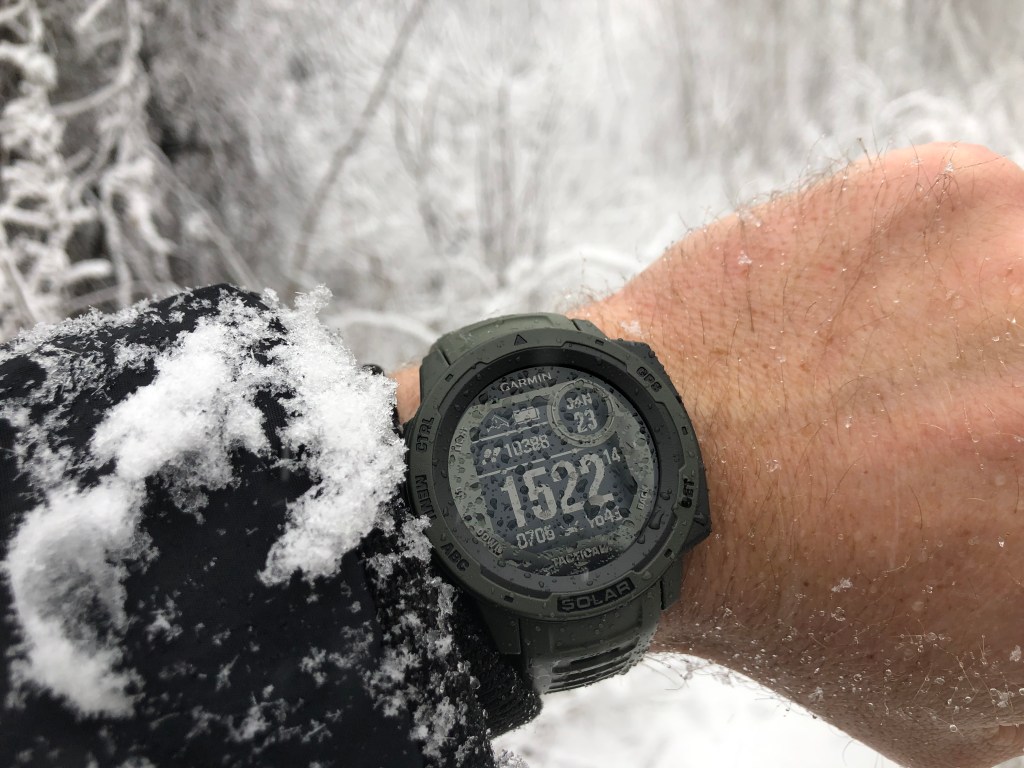
The compass is as accurate as my analog one and easy to use. I can get close to where I am navigating using it, and the readout makes it easy to see when my bearing changes as I walk. I like how the ABC widget allows me to see the compass, altimeter, and barometric pressure at the same time. The altimeter is accurate, although it is depressing to know the highest point I can climb is under four hundred feet.
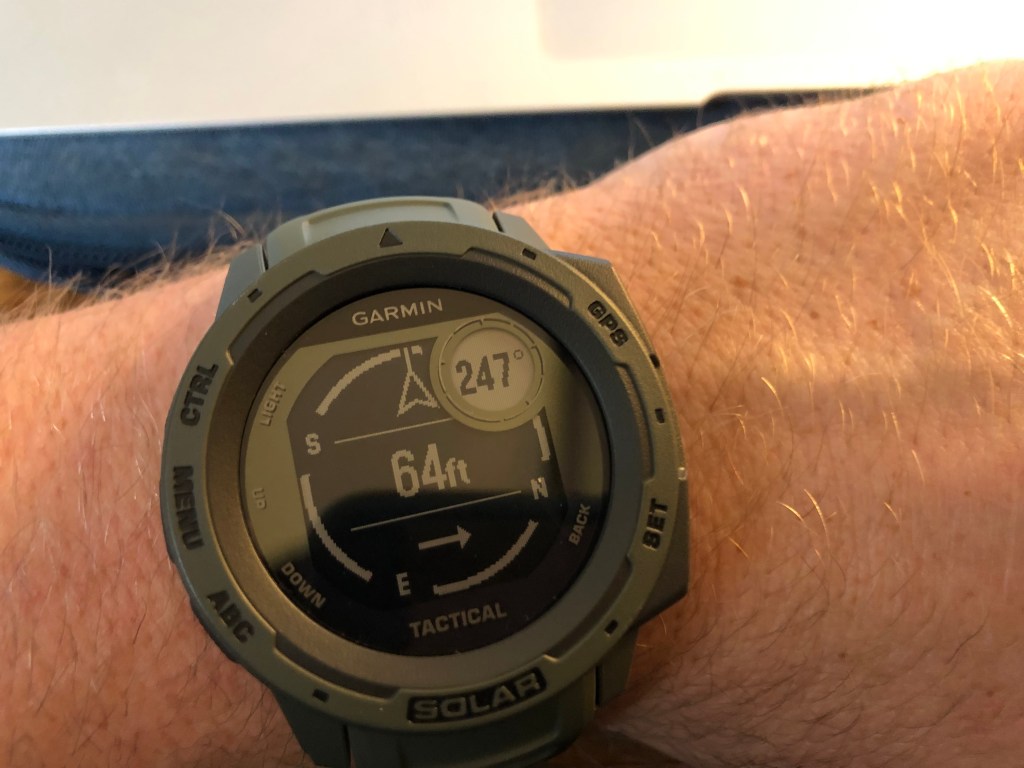
The Garmin Connect app is easy to use and helps me track all my activities. I like tracking how far I walk and using this information to change my training regimens. I am excited to use it in Idaho, as its ability to track distance and elevation gained will be extremely useful for my archaeology projects. I also like that I can drop waypoints quickly, no matter where I am, unlike when I use my phone. Whenever I found an interesting site, I was always outside cell service, and I would then have to pull my map, protractor, and compass out to do some terrain association and resection to mark the site. Not consistently the most accurate, and it is time-consuming (oh well, it could be worse). With the Instinct, I drop a waypoint and move on.
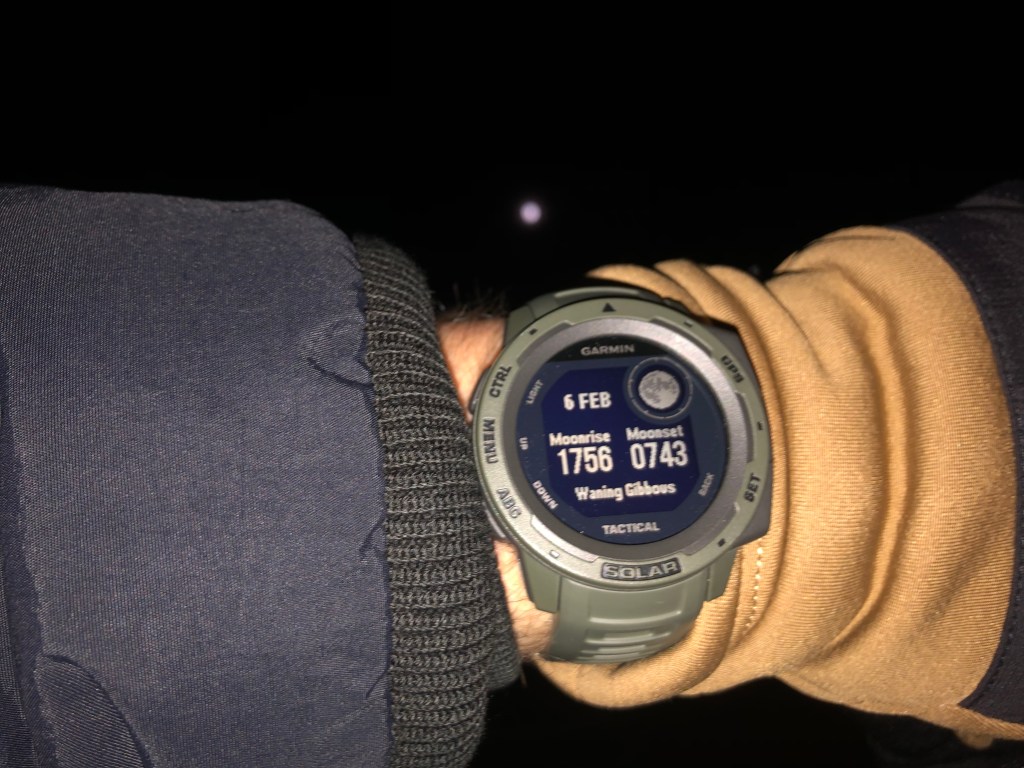
It is nice to be able to track my hike and climb distances without running an app on my phone or doing a pace count. Some people are good at pace count, but I constantly get distracted, and even with Ranger beads, I lose count. The step counter works well in a pinch. I know how far my strides are over different types of terrain, and I can do some quick math and figure out how far I have moved with it. It usually is within a few hundred feet of the distance I track via GPS. A good fallback in case things go wrong.
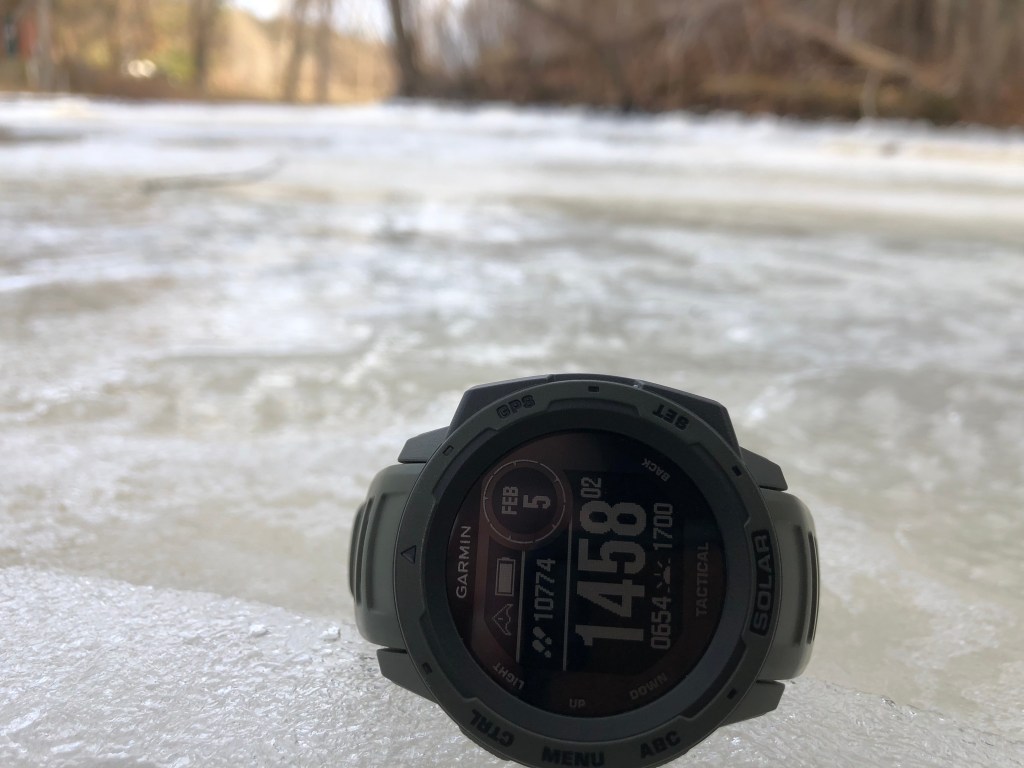
In the end, I am pleased with this watch. I like that I can get it repaired when necessary, and I hope to get a decade or so of use out of it (even more would be great). It works great for everything I have needed so far, and I look forward to trying it out in some more strenuous country when I return to Idaho in August. In my next article, I will go over the different functions in depth and show them out in the world as I use them to navigate, climb, and so forth. I hope this helps you decide if the Instinct is on your radar.
An Update Regarding Tech Addiction 16 May 2023
I have been with the watch for a few months and have decided that, while it is excellent at what it does, I no longer want to wear it. The reason is simple: I find it difficult to not get addicted to it. Tracking my steps, hiking distance, and heart rate became a mania for me, even when I have not had similar problems with other devices. I had to get my steps in every day, no matter what, and if I didn’t, it bothered me. If I was hiking and went 7.3 miles, I could not help but push myself to 8 miles just to say I did. I could not ignore any shortcuts I may have taken during the day and could not rest easy unless I went out and accomplished whatever I felt needed to be done and tracked with the watch.
I realized I needed to put it away and return to wearing a regular mechanical watch or risk losing myself in it. It is incredible how easy it is to get lost in digital tech. Not good.
 EscapementSV