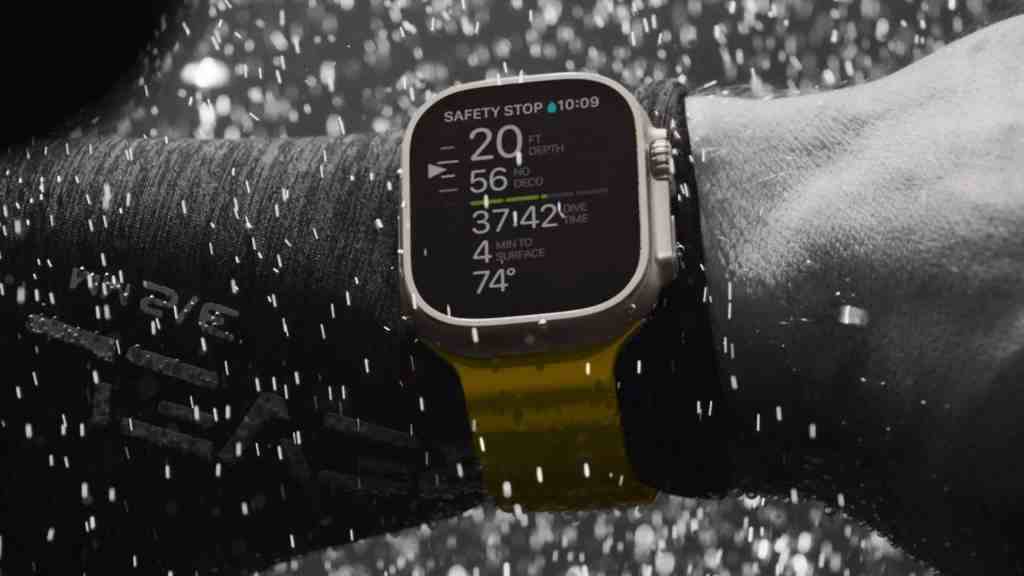
As the world’s human population recently surpassed the 8 billion mark, I felt it was a good time to post part of a project I have been working on that concerned the material origins of the components used in mechanical watches. There are a lot of us on the planet, and we consume a lot of stuff as we live; some are looking for ways to minimize their impacts by purchasing goods that last decades instead of months or a few years. Mechanical watches are sometimes touted as the answer to things like the Apple Watch, which has a life expectancy of around five years before it no longer runs optimally. I started this project to see if this was true.
I understand sustainability is a buzzword often used by corporate machines to sell their products to consumers. I also know that the Environmentalist Nazis and the Militant Capitalists have coopted the word to push their political agendas. As a result, it is a word that leaves few people on the fence about the side of the argument they support. I do not want to create a post about the horrible things happening to the planet and scold people for buying watches; I do not want to jump on the “consume everything because we are all okay and nothing is wrong with what we do, and I want to make as much money possible” bandwagon, either. Instead, I wanted to share part of my journey to understand how a watch is made, where the materials come from, what watches as possible “sustainable” consumer goods may mean, and how this knowledge has changed the way I look at my own buying habits.
I believe buying material goods is okay if one exerts effort and consciousness into their decisions. I like the idea of a middle path: the path that allows us to have things but requires us to be conscious of what we buy and how we use it. Moving away from cheap, disposable products with built-in obsolescence (many digital tech devices, inexpensive footwear, cheap clothes, etc.) is worthwhile. So is fighting the effects that marketing has on our nature to want to constantly consume and needing to have the rush from buying something new. Learning to separate the essentials from what is not can make us happier people and help us to find a better balance in what we use in the world. Not all tech falls into the category of cheap and disposable, nor do all mechanical watches fall in the category of long-lasting products; Garmin products seem to straddle both worlds, with Garmin allowing users to get their products rebuilt as needed. But, essentially, a high-end mechanical watch is made to last for decades, even if many never make it that long on the original buyer’s wrist.
But are mechanical watches different than their digital counterparts? Do they consume fewer materials and energy to manufacture, and does the fact that one can repair them for decades mean they contribute less waste and stop people from mindlessly consuming and disposing of them? My initial answer to this was yes, of course, they are. However, I wanted to know specifics and prove this assumption true or false.
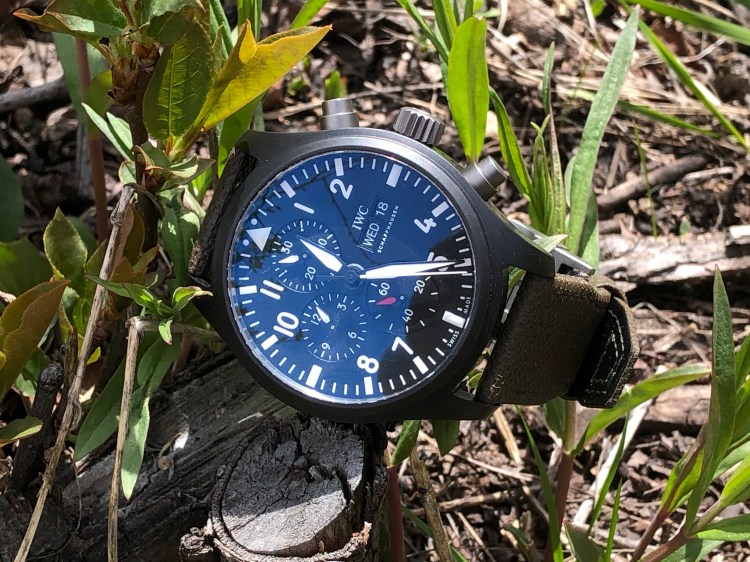
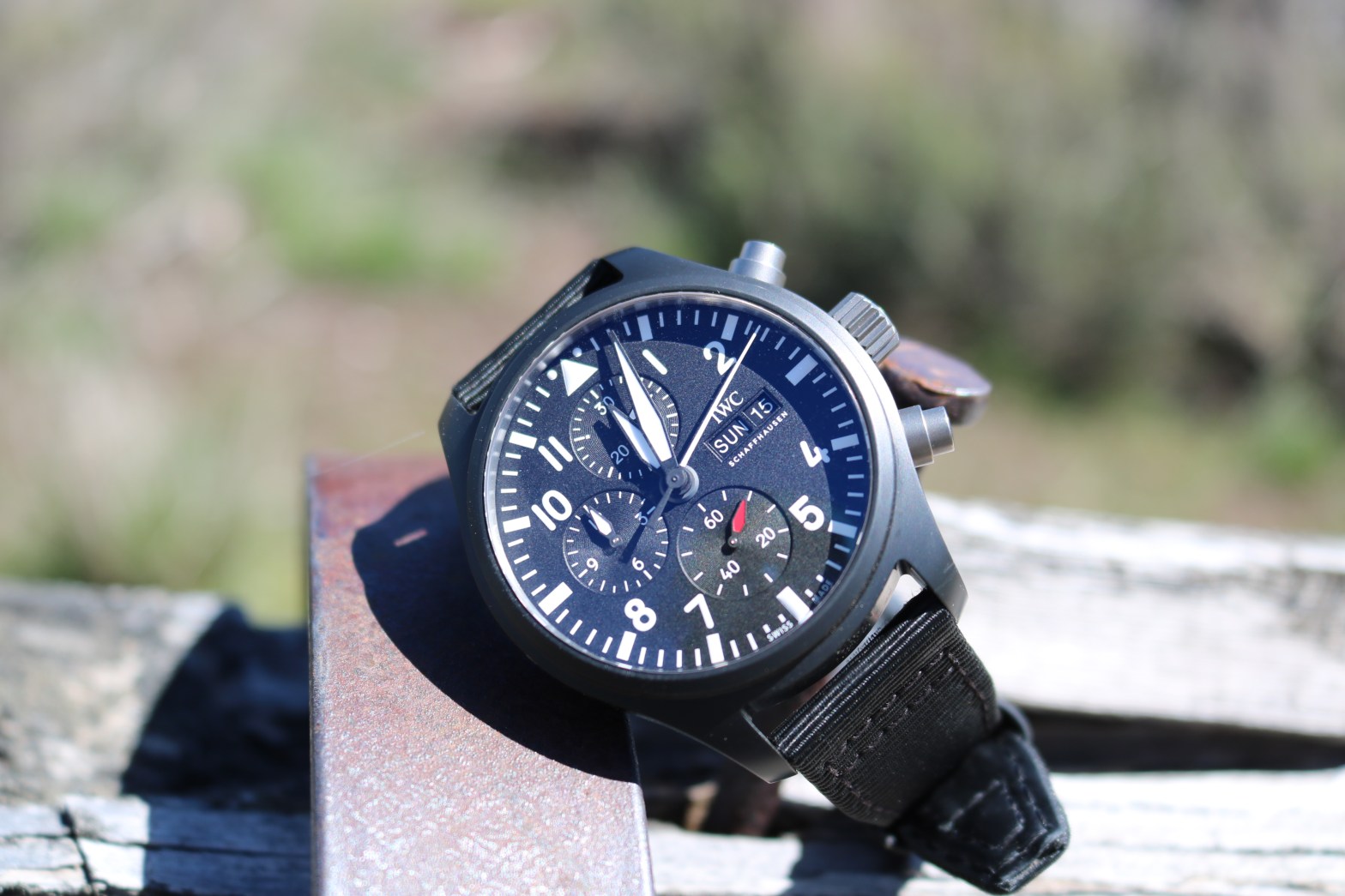
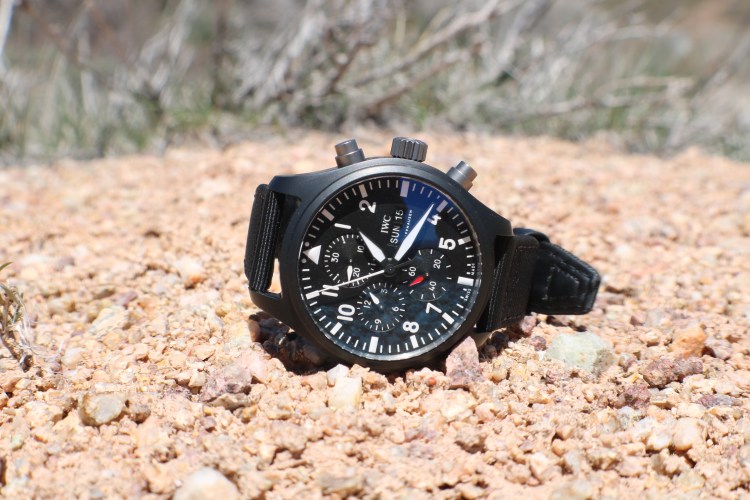
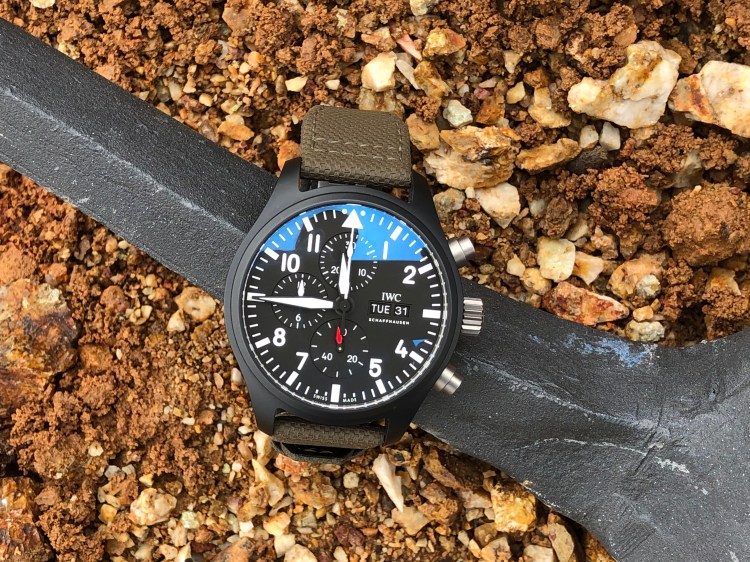
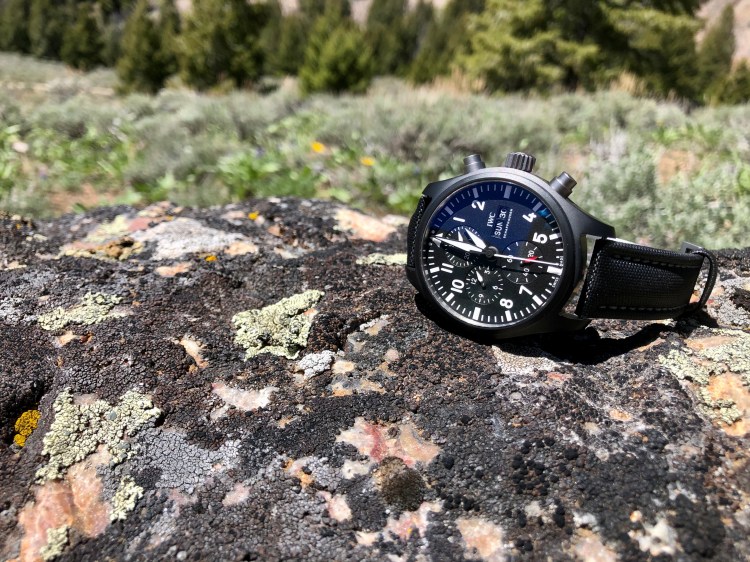
I began to explore everything I could on the manufacturing process of mechanical watches and settled on IWC as the brand I would use as an example. Specifically, I wanted to focus on my old IWC Top Gun ceramic chronograph (which I no longer own). The reason is simple: IWC has the most information available to consumers concerning what they use to make their watches and where the materials come from. They publish a report on their sustainability every year, and this report is the most detailed I have found from any watch manufacturer.
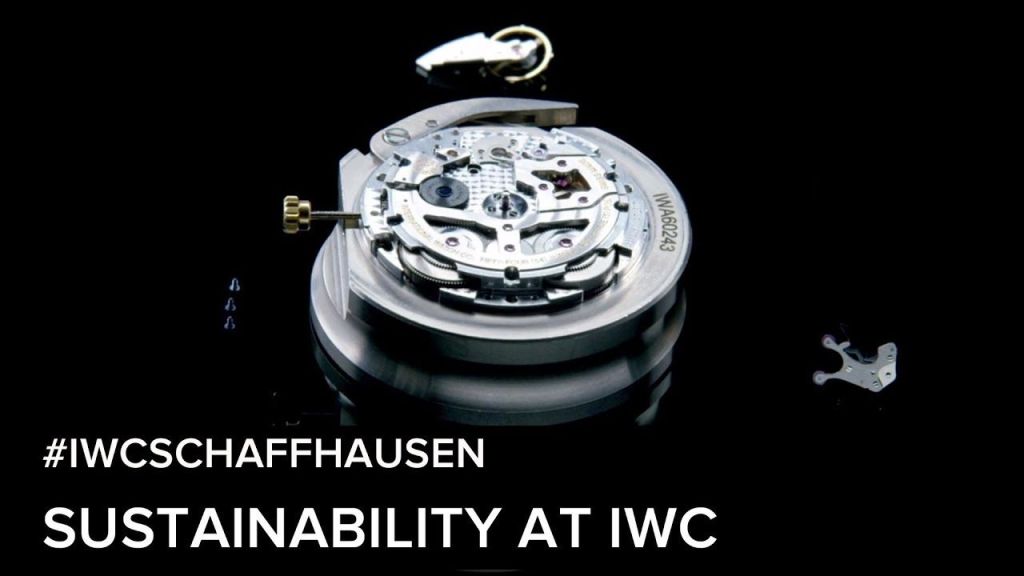
Specifically, I wanted to see how the raw materials were mined and how the ore was milled, separated, and refined into the base minerals used to create the alloys required to make the watch parts. I wanted to know what equipment was used to process the ore and how it was powered. What energy sources were used throughout the process (Mostly fossil fuel, some geothermal and hydro, and a little solar)? How were the raw materials shipped, and how many stops did they make from originating to IWC’s factory in Switzerland? I tried to find out how the finished watches were shipped and what processes were involved in getting them from the factory and onto the wrists of the consumer. What follows is an account of my search, what I was able to find, what I was not, and how this can impact the way we think about sustainability for any product, specifically mechanical watches. I have condensed this project and changed the language considerably to keep it out of the academic realm of unreadability. I have excluded the portion on the packaging and a detailed dive into the shipping of the watches from the factory to save on word count. Also, I left out the part on the oils used because I can not find enough information to guess where they originate. They are most likely synthetic in nature and have petroleum bases.
I Failed to Learn What I Wanted
I will say that I failed to realize my goal. I found it difficult to get concrete information on the precise origins of the materials used to manufacture wristwatches. For many reasons, companies are not, for the most part, forthcoming with every detail involved in making their products. And I ran into many walls along the way. All the base minerals used to create a watch can come from many sources, and finding the exact mines took much work that was fruitless in the end. So many different manufacturers make the base components that IWC could use in their watches, and I could not find out who the specific suppliers were. I received no help from IWC or any other manufacturers in my search. I have had to make many inferences based on the best information I could find and my limited but growing knowledge of the processes used to refine these materials.
The Harvard Museum of Natural History was an excellent tool in my search for information on the origins of many of the minerals used in mechanical watches. I want to thank everyone there for their help with my questions. I also want to thank Dr. Jennifer Cole for her help on this project. She provided me with invaluable knowledge on where to look for often elusive information on alloys and minerals.
Material Origins
Everything we use in our daily lives either comes from a mine or is processed using equipment made of materials from a mine. Wristwatches are made almost entirely of components mined from the earth. Every bridge plate, screw, spring, cog, jewel, and sapphire crystal (I know they are synthetic, but still) came from the earth. The same goes for the components used in ceramic parts and the machines that spin the fiber for straps, strip the rubber bark from trees, or process the leather. Each piece is made of alloys (combining more than one mineral) that serve unique purposes specific to watchmaking. There are also materials used for lubrication and strap making and the material used in the packaging. All come from the earth or come into their final form thanks to things from the planet.
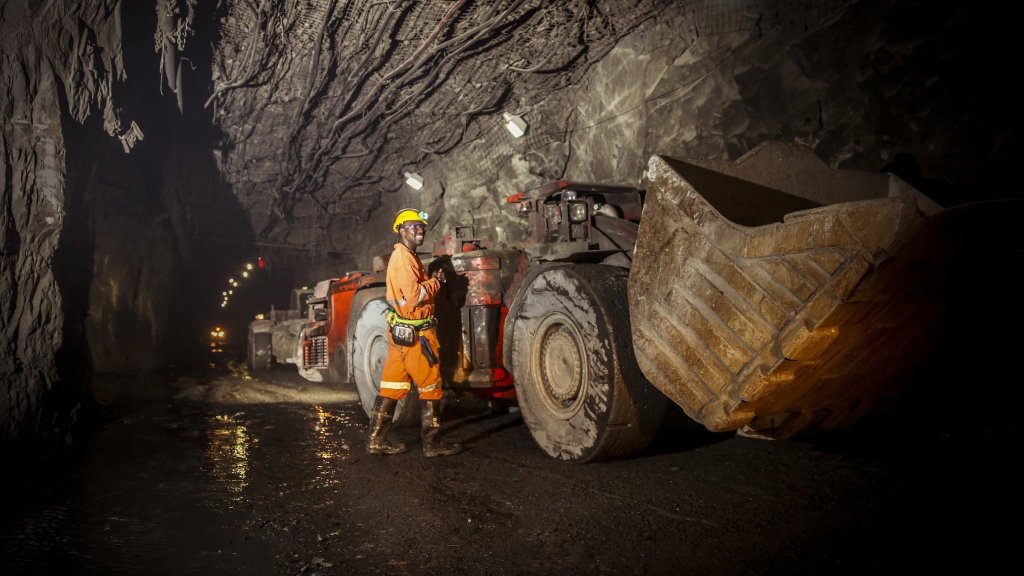
In my search, I have been able to identify a list of minerals that may have been used in manufacturing an IWC Top Gun Chronograph watch; I have put in parenthesis question marks for the minerals I have not been able to verify are used in IWC-specific alloys but are common in alloys across the spectrum of watchmaking: iron, rhodium, copper, zinc, chromium, carbon, tin(?), nickel, titanium, beryllium(?), corundom, silicon, silica, gold(?), baddeleyite(zirconium oxide), platinum(?), tantalum (?), molybdenum, silver, and others.
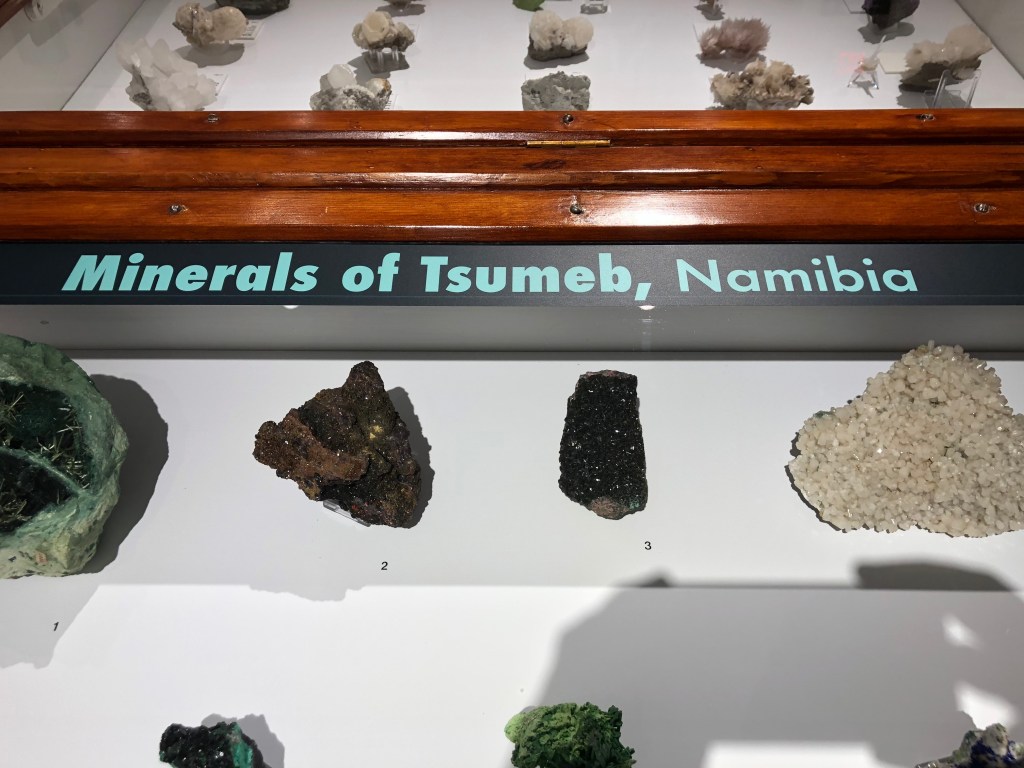
The most significant issue I faced in trying to find the base materials used in the construction of this watch was that I could not find any information on the specific makeup of the alloys used in its manufacture. Alloys are often a closely guarded secret, and more minerals could be used to construct an IWC watch than I have listed. However, even with this limited information, we can understand some of the minerals used in building a watch.
I decided to focus on gold for most of my specific examples. This is because the mining, milling, refining, smelting, and manufacturing of finished pieces are readily documented and easy to understand. Most other metallic ores undergo a similar extraction, refining, and manufacturing process as gold, so gold would provide enough context for you to figure out what happens when metals are mined and refined.
IWC states that beginning in 2022, they will no longer use newly mined gold in their watches. They will only use recycled gold and gold that has been grandfathered in. While the grandfathered-in gold sounds like new gold they bought before they made this commitment, I still need to find out with 100% certainty. It is also worth noting that they use the phrase “nearly 100 percent” when referring to the amount of gold they will use that is recycled. So, it sounds like a level of new gold will be required in their manufacturing. An obvious necessity since some of the gold will end up as components used to construct a watch and, therefore, will not be able to be recycled. Focusing on gold mining as it concerns the gold in their watches still makes sense. In addition, IWC says they recycle their metals extensively and that 80% or so of the material used in their products is reused to make the other components.
Also, I included a section on ceramics because these are sometimes thought of as good alternatives (from a sustainability standpoint) to metal. Please let me know if you have any suggestions on making this a more concise list of the required process.
Mining Methods
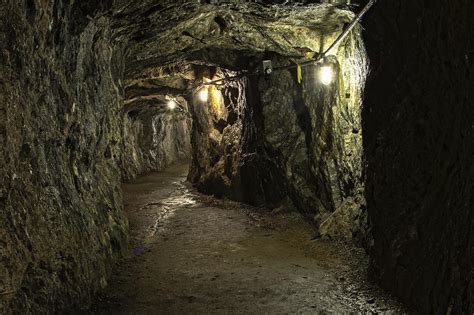
There are numerous ways to remove minerals from the earth. One of the benefits of being from Idaho is that I have been exposed to nearly all these methods as I have explored the backcountry and old mining districts in the state. I have experience with all the mining methods I will describe in the following section through first-hand exploration and the help of the many mining engineers I have spoken with over the years. I will include photos from my journeys to highlight what I am discussing and stock photos where needed. It is helpful to see the various forms of mining to understand the work required to get the minerals we use in everyday life and watchmaking.
Open-Pit Mining
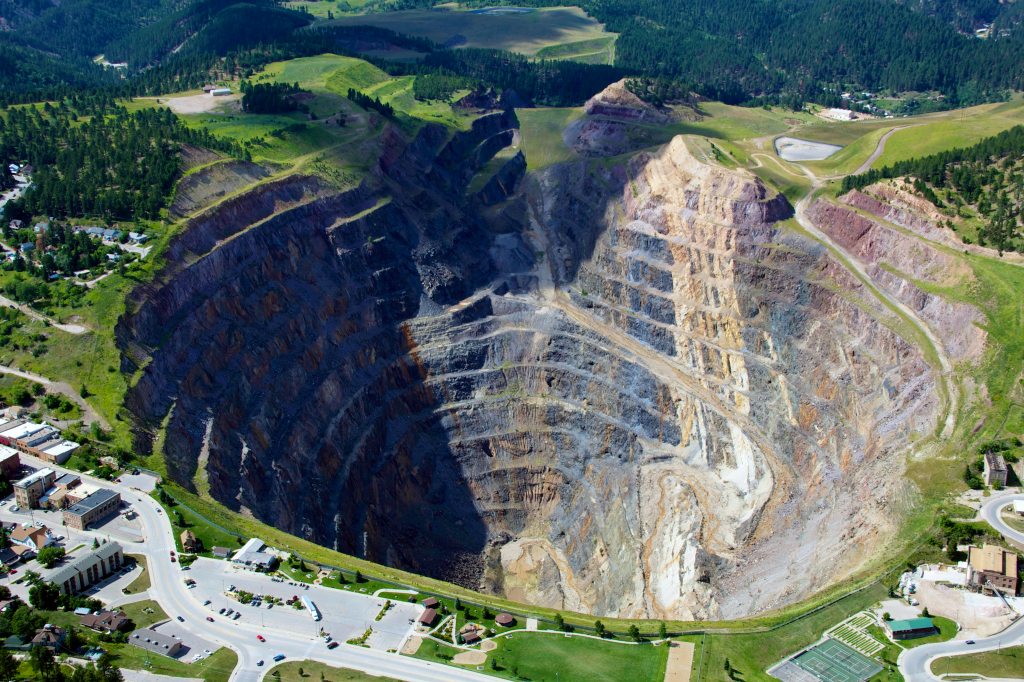
Many of the minerals used in watchmaking are mined using the open-pit method. Upon finding an area with proper mineralization, the mining company digs a big hole in the ground to follow the mineralization into the earth. These mines can vary from a few feet to over 2.5 miles deep, in the case of the Mponeng Gold Mine in South Africa. Open pit mining allows the mining company to pursue deposits of mineralization that are lower in quality than what would be required for an underground mining operation.
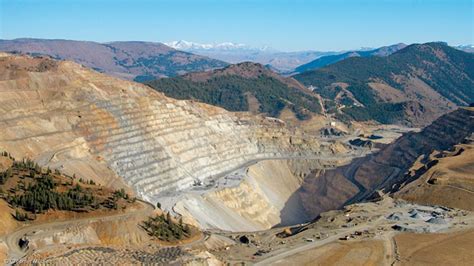
Some of the largest pieces of equipment ever manufactured were explicitly made to exploit minerals in open pit mines. Watching the workers extract the minerals from these mines is a fascinating thing. The ones I have been to have lines of massive Caterpillar dump trucks moving vast amounts of earth out of the pit and into the waste piles surrounding the mine.
Mountain Top Removal
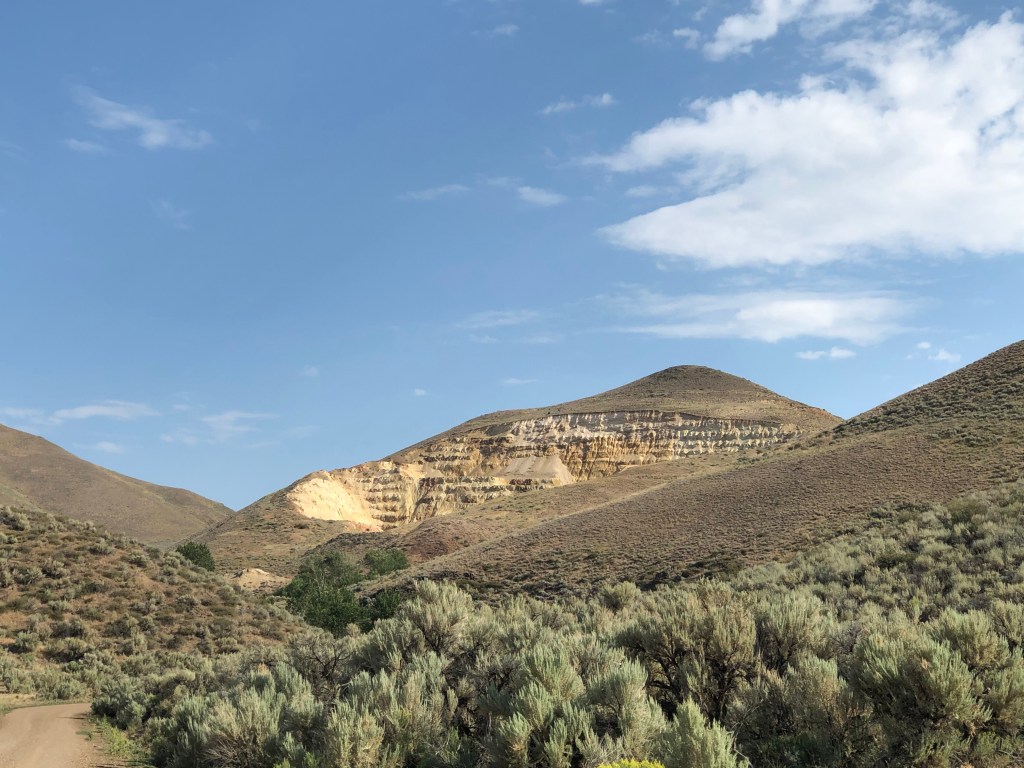
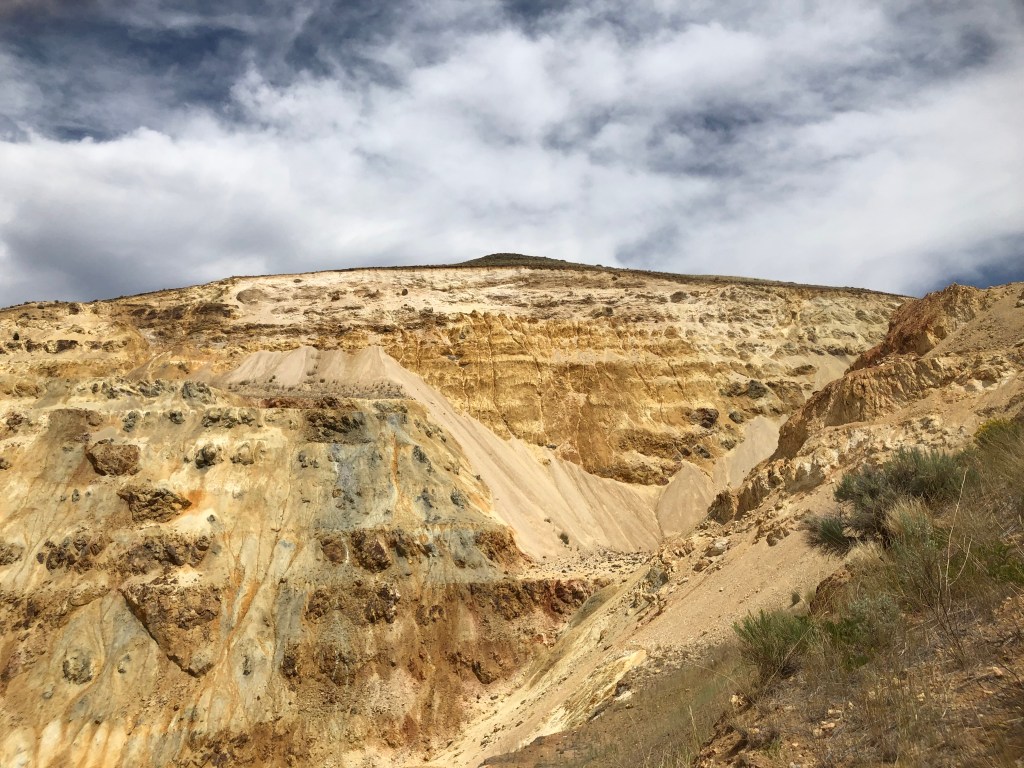
Mountain top removal is another mining method that is easy to understand and sometimes difficult to witness. Mineralization is identified in a mountain, and the top is removed to extract it. Sometimes, the entire mountain can be removed in the process. Usually, this is used to exploit veins of coal, but it has been used in the extraction of gold. I have included a picture of a mountain near my home in Idaho with a good portion of its side removed to pursue gold deposits. While not a perfect example of mountaintop removal, it illustrates how a mountain can be exploited. This is a problematic mining method to witness, and the damage to the country can be extensive. I have a particular aversion to this method of mining.
Tunnel Mining
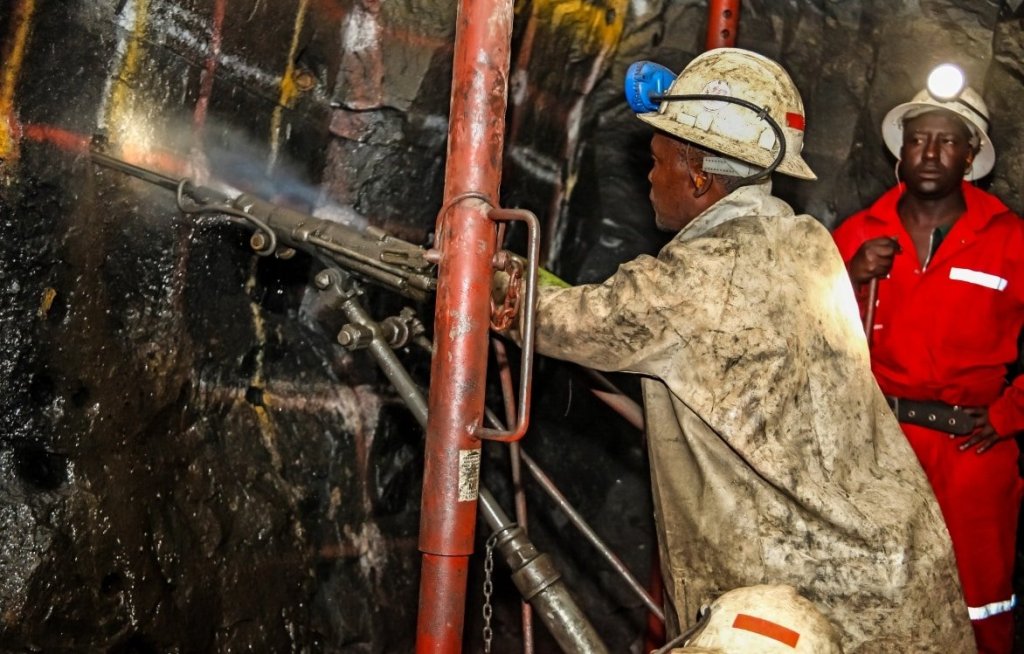
Tunnel mining, or underground mining, is more traditionally associated with mining, at least when we Americans picture mining during the Old West. Typically, underground mining requires lodes of ore that are of a higher grade or deeper into the earth than what would be pursued with a pit mine. It is used in areas where pit mining is impossible or where there is a need to precisely target a source of mineralization in a way that can’t be done with open-pit mining. It is also the least invasive of the different mining methods discussed. Reclaiming a tunnel mining site when it has entered into borrasca (when the mine runs out of workable ore) is relatively easy. Just dump the waste piles back into the tunnel and seal them off.
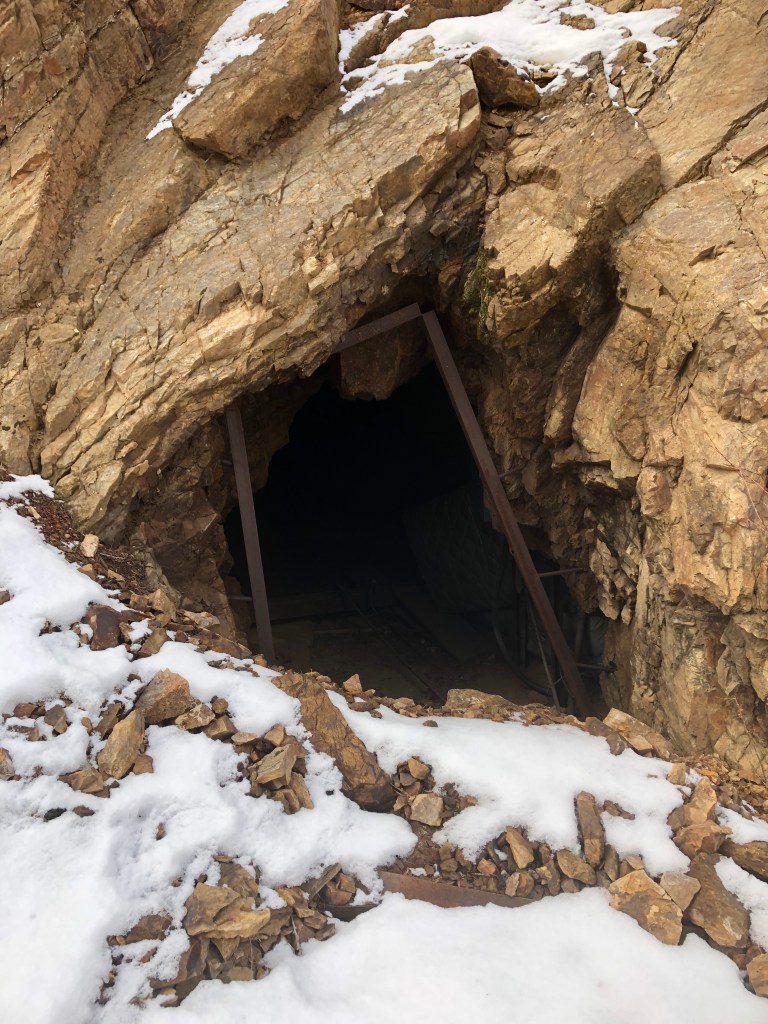
Once an area of possible mineralization is identified, the miners dig a tunnel to follow the mineralization into the earth. Depending on the host rock that the ore is located in and the other geological factors involved, the tunnels can vary in width and height. Tunnels can be horizontal, vertical, or a mixture of both. When a pocket of ore is discovered, it is removed by stoping, excavating horizontally, layer by layer.
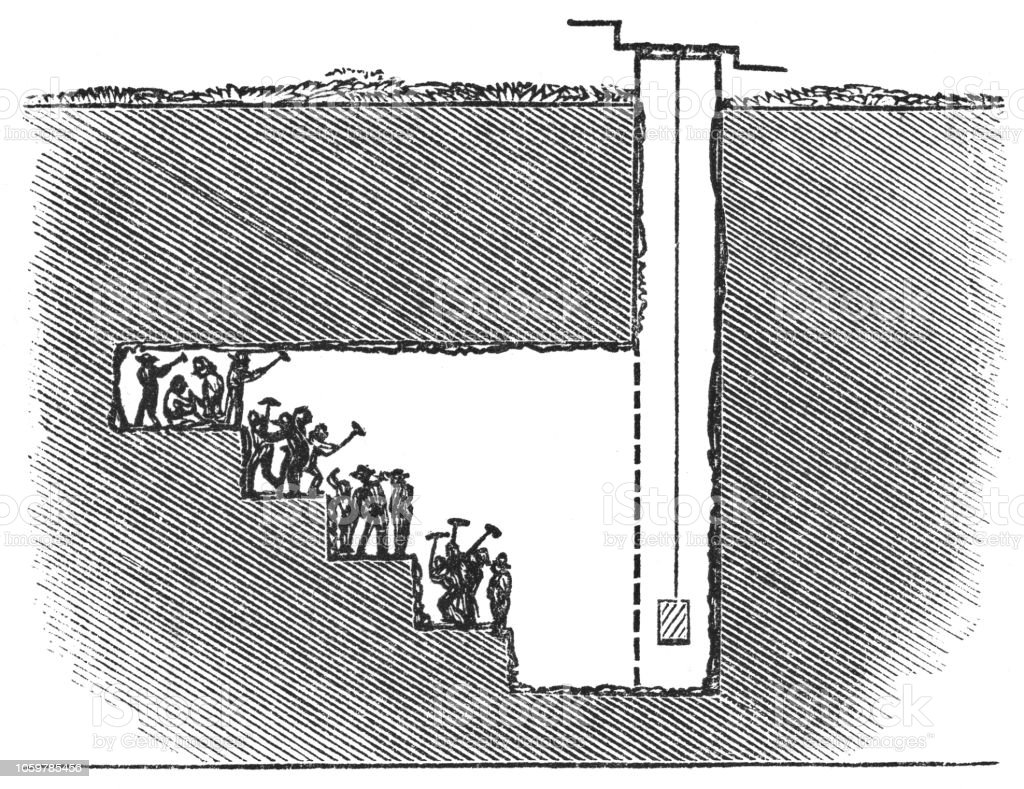
Some are simple, human-sized tunnels; others are enormous expanses large enough for heavy equipment to be driven through. Underground mining is less damaging to the planet than open-pit mining, but this reduced damage is offset by the dangers involved. Cave-ins are the first danger that comes to mind. Other hazards include mishaps with explosives (which also can happen in all other mining processes), machinery falling into shafts, or getting crushed by falling tools are also dangerous. A story is recalled from the glory days of the Comstock Lode in Nevada of a man killed by a dog that dropped hundreds of feet down a shaft it tried to jump over and missed. What a way to go.
Reclaiming a tunnel mining site when it has entered borrasca (when the mine runs out of workable ore) is relatively easy. Just dump the waste piles back into the tunnel and seal them off.
Placer Mining
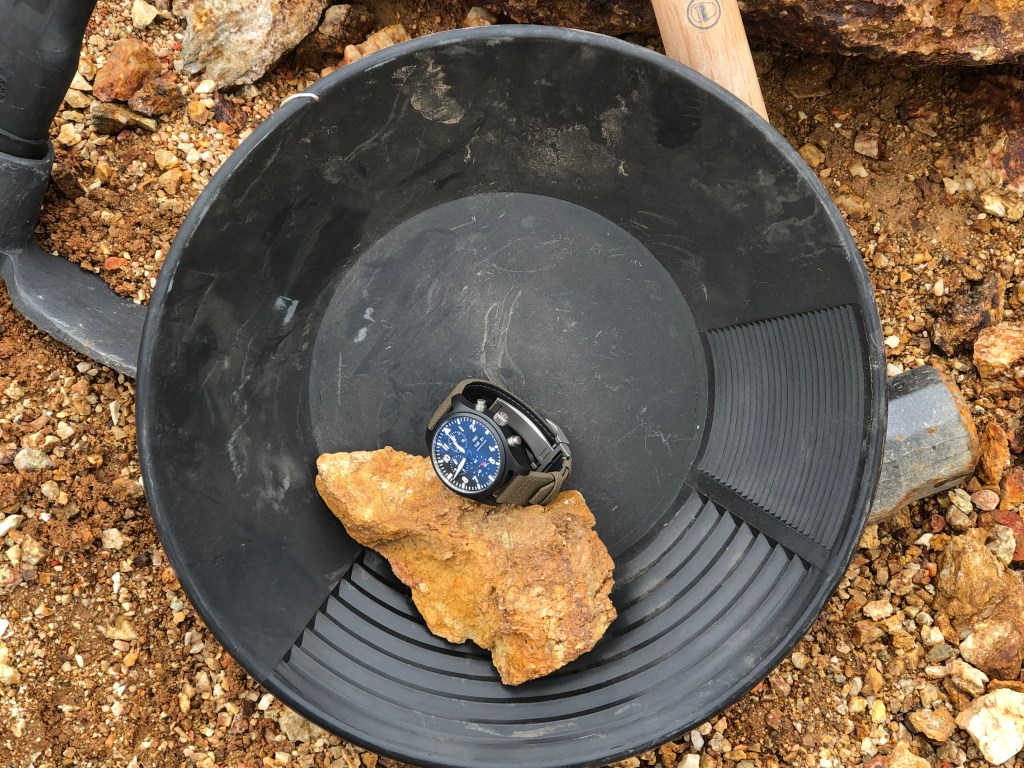
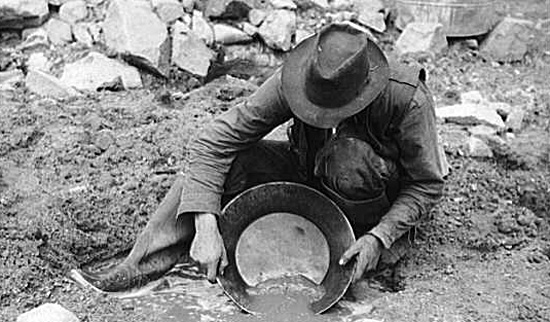
Some minerals, like gold and some silver, and gemstones, like garnets and rubies, can be mined using traditional placer mining techniques. In its simplest form, this is removing materials from active or dry stream beds and sifting through them to find the minerals or stones. Think of the prospector with his gold pan sitting in a creek. However, there are many other ways to mine placer areas, and gold panning is the least efficient.
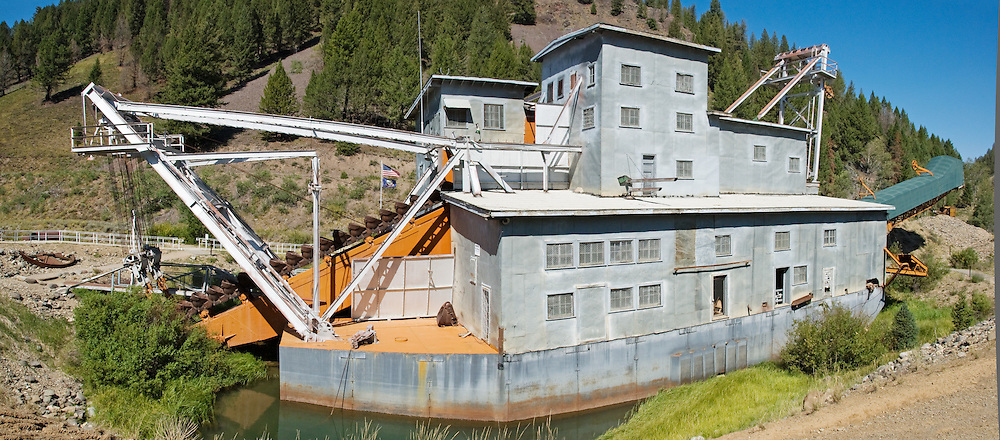
Many placer operations use dredges, basically barges that scoop up the stream bed and process it. Dredges are more efficient than panning but can ruin the entire stream or river when done. I have always found them fascinating.
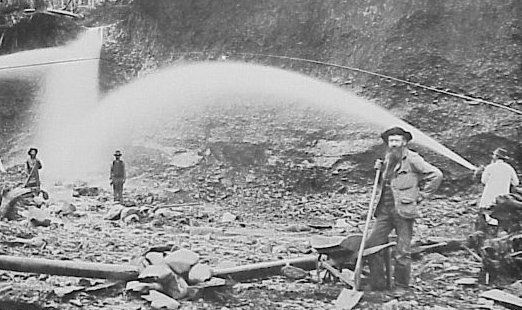
Others use hydraulic mining, where high-pressure hoses shoot water onto the hillsides and remove all the material so that it can be processed. Sluice boxes, Long-Toms, and other contraptions can be used, as well as the outright removal of the stream bed with heavy equipment or hydraulic hoses.
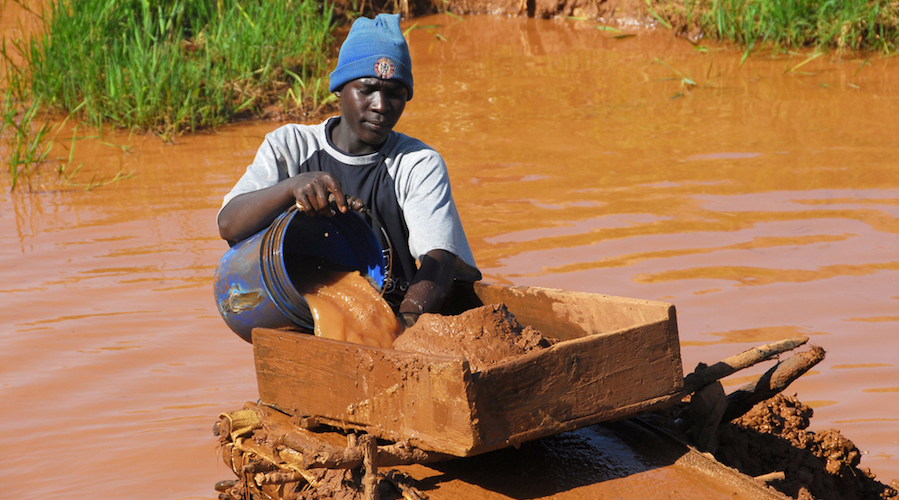
Many small boutique mining operations companies like Chopard claim to use mine placer areas. These operations are family-run and are conducted with the old-school pan and sluice box. In theory, the people who do this replace the waste soil mindfully back into the streams and ensure they re-construct the areas they mined when they are done. All forms of placer mining have the same goal: separate the placer gold from the river sediments in as easy and profitable a way as possible. Placer mining is the least expensive and dangerous of the forms of mining so far discussed, and anyone with some spare time and a pan can head into the woods and sit in a river looking for gold.
Urban Mining
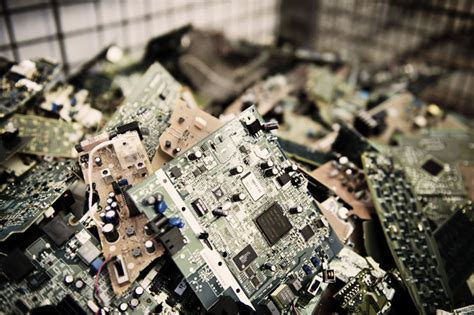
Another place to get minerals is by recycling goods containing specific minerals, such as old digital tech. Depending on where one looks to get their information, there is more gold estimated to be in devices ready to be recycled than there is currently on the earth in places that it is possible to mine. China has stated that they can get all the gold they need for their manufacturing needs from recycling old products.
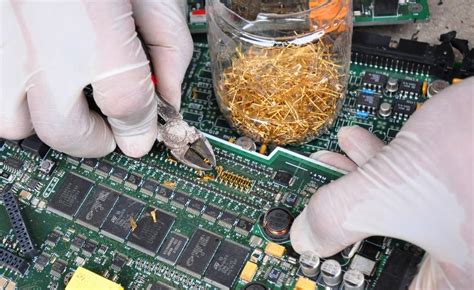
Whether this is true remains debated, but there is no doubt that a vast amount of gold and other metals and minerals exist in already manufactured goods just waiting to be recycled. It is a toxic process, and the workers who do this now are subjected to many harsh pollutants. It requires lots of work sorting old products and removing the minerals, but it can be more profitable than traditional mining methods. There are, after all, many products with minerals that are just sitting in landfills.
But there is promise in this once we refine the techniques required to recycle these old products safely. I am attracted to this and am currently developing a small-scale platform allowing people to do this type of mining regionally. In my spare time, of course.
Where They are Mined
All the information for the origins of the basic materials used in my IWC came from the IWC website. The steel used in the watch comes from Germany, Austria, France, and Japan and consists of 85% recycled materials. The titanium comes from East Asia (probably China, as they are the largest miner of titanium in the world). The bronze comes from France. The crystals come from raw materials from China, Switzerland, France, Japan, and the United States. They are manufactured in China, Mauritius, and Switzerland. The ceramic components come from raw materials sourced from Japan and are produced in Germany.
Now, this information is for the completed alloys and components. However, there needs to be more information on where the minerals and other ingredients originate. Steel does not come directly from the ground; it is an alloy of iron and many other metals. The same goes for bronze and the different alloys used. Each part of the alloy originated somewhere, and it would be helpful to know where each component came from. The gold most likely originated in South Africa. I researched and found a list of countries where most of these minerals currently come from Africa, North America, South America, and Asia-basically all over the world. It can be guessed this is where the base minerals used in an IWC Top Gun come from. I will continue researching and updating this information if I find anything more definitive.
Conflict Minerals
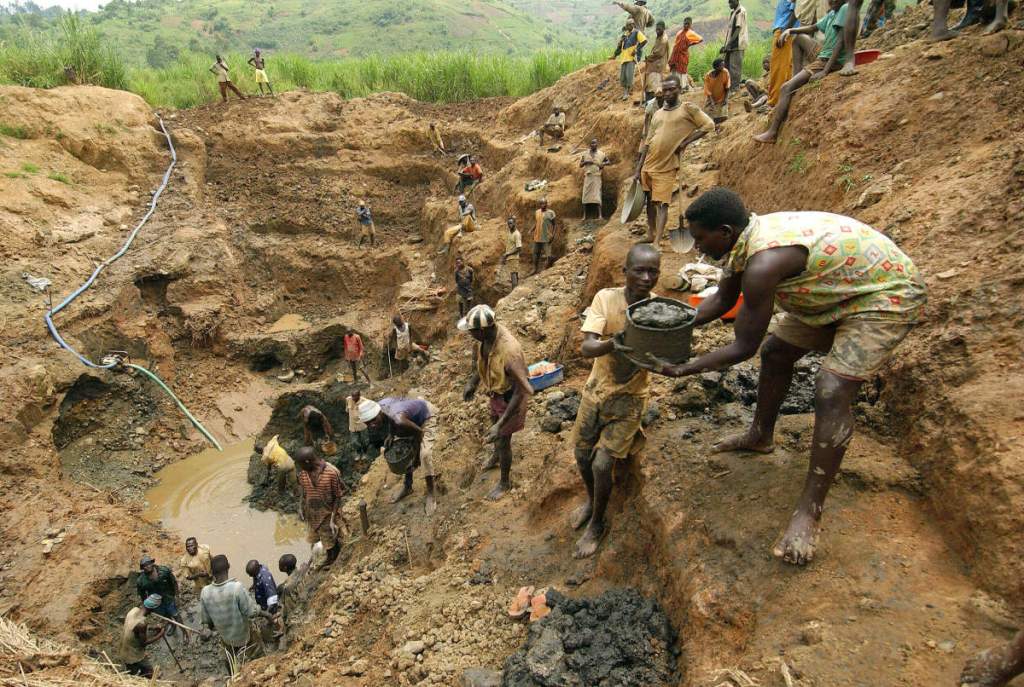
I need to touch on conflict minerals because they are often discussed when people argue for and against many products, and the prevalence of conflict minerals around the world is high. Conflict minerals carry the same weight as conflict (or blood) diamonds. They originate in conflict areas where rebels or other military groups control the mines and mining operations to use the profits to fund their wars. The workers of the mines are often enslaved, made to work against their will for the benefit of the leaders. The most well-known conflict minerals are gold, tin, tantalum, and tungsten, all of which can be used to manufacture timepieces, cellphones, other digital technology, jewelry, and mechanical watches. While it is often possible to discern where a mineral originates when it is in its raw state, indeed, many samples can be traced back to a specific level of a mine just by the appearance of the ore alone; it is nearly impossible to tell where a mineral came from when it is refined and alloyed. This makes finding conflict minerals in finished products difficult, if not impossible, to find.
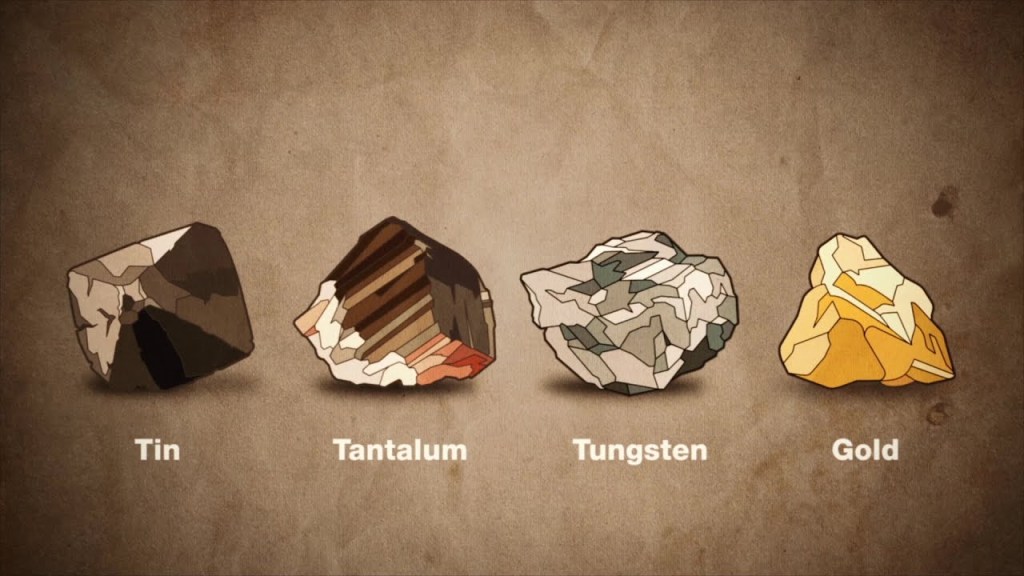
IWC states that they have all their suppliers sign an agreement only to use ethically sourced minerals, and in 2021 they received Responsible Jewelers Council certification for end-to-end tracing of their gold and platinum to ensure none of it originates in conflict zones. I believe them in this respect and applaud them for their work.
How The Minerals are Processed
A series of exacting and time-intensive steps are required to get the minerals out of the host rock. Known as milling, this breaks up the host rock and separates the different minerals from each other. Each mineral has its specific milling process, but for our purposes, I will focus on gold as it is the most straightforward milling process to understand and outline.
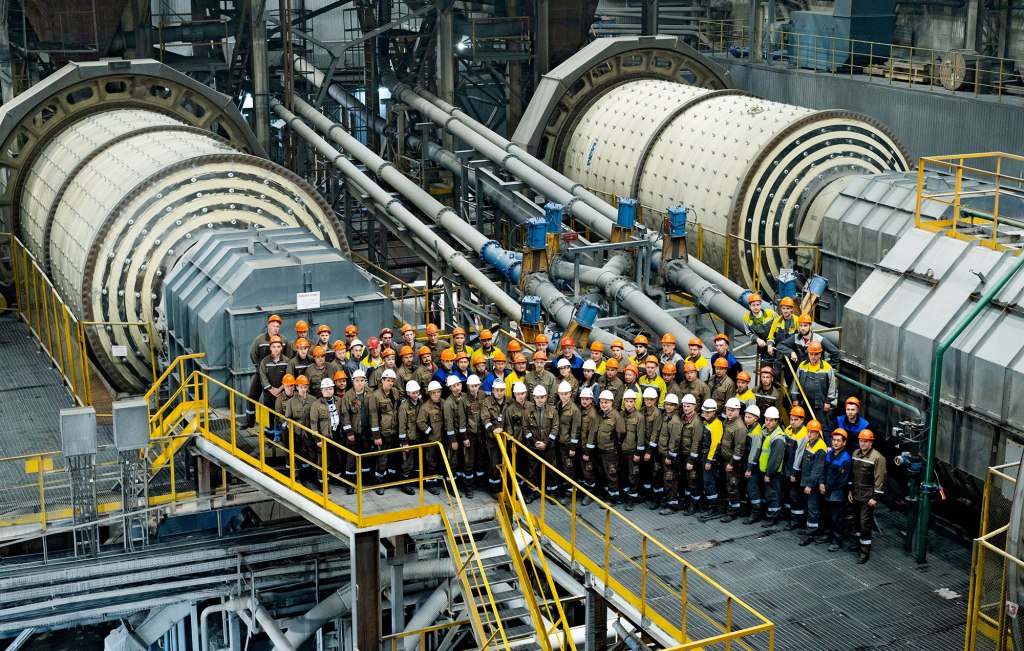
When considering the yield of gold, a mine’s output is usually quoted as how many ounces of gold it will yield per tonne of ore. Depending on the mine, this can be anywhere from one or more ounces to a ton (a metric tonne, or 2,205 pounds) which is very rare, to only a few grams per tonne. A good gold mine will remove a tremendous amount of rock to get enough gold to make a watch case and bracelet. For example, a solid gold Rolex watch typically weighs around 165 grams, roughly 5.82 ounces, and would require 17 tonnes of ore to be extracted if the mine is a reasonably good producer and gets ten grams of gold to a tonne of rock. Other minerals occur in greater or lesser quantities than gold. Iron occurs in much larger quantities, and platinum in even smaller amounts, on average.
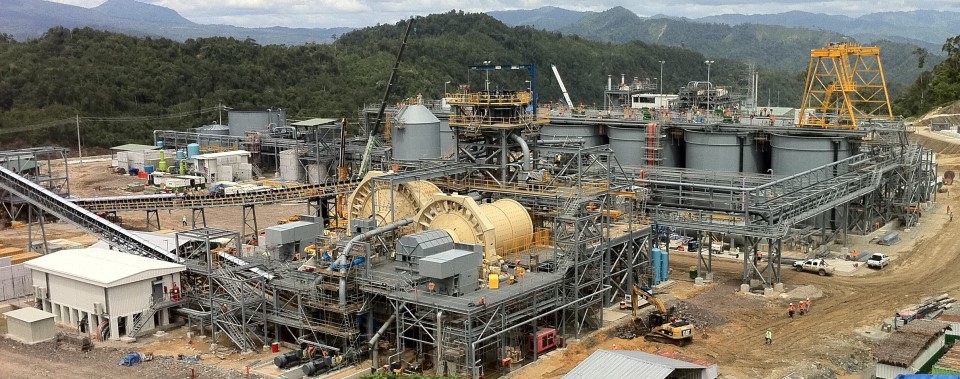
The processing of the ore consists of the following steps:
- Crushing and grinding of the ore
- Addition of process water (generally decanted from the tailings pond) to form a slurry
- Addition of lime to the ore, and cyanide solution to the slurry, to leach the gold and silver into the solution
- Addition of carbon to adsorb (attach) dissolved metals and remove them from the slurry
- Stripping the metals from the carbon by acid washing and circulation of a caustic cyanide solution
- Precipitation of the gold and silver by electro-winning
- Smelting of metal products into bars of bullion
- Pumping of the barren slurry (tailings) to the tailings storage facility.
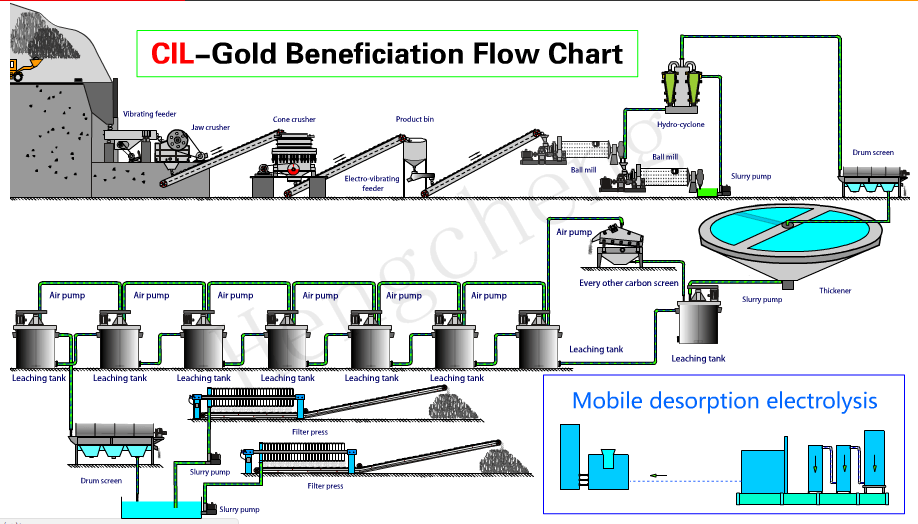
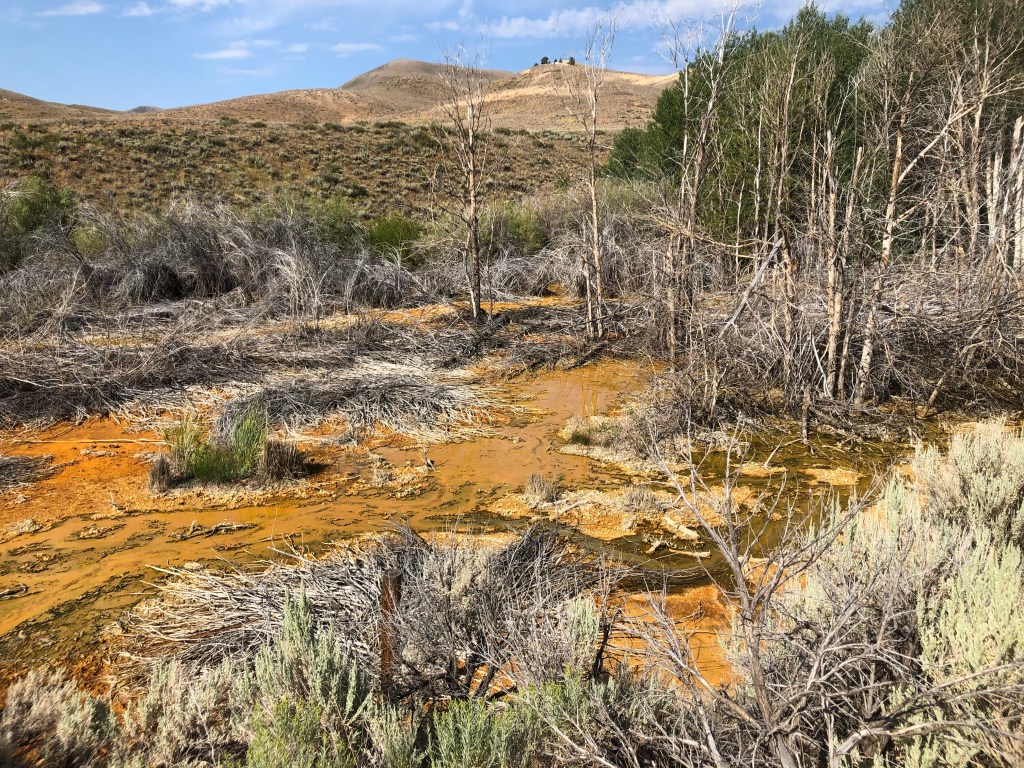
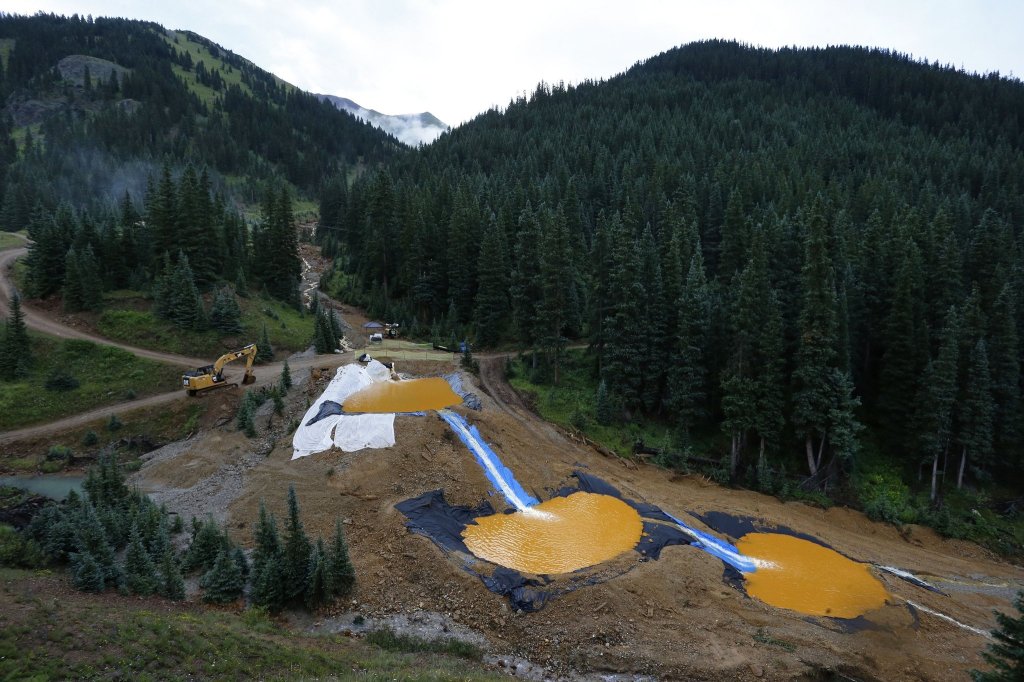
A high-capacity mill can work through hundreds of tons of rock daily. Notice that various acids and cyanide are used to remove the metals. Mercury can also be used, and it depends on the technological and monetary sophistication of the operation to sort out what milling methods are the most efficient. One of the most significant issues is tailings storage and the chemicals used in processing the ore. In Idaho, many sites have been polluted and have required extensive cleanup. The chemicals are stored on-site, but this does not mean they do not leach into the surrounding environment.
Smelting and Shipping
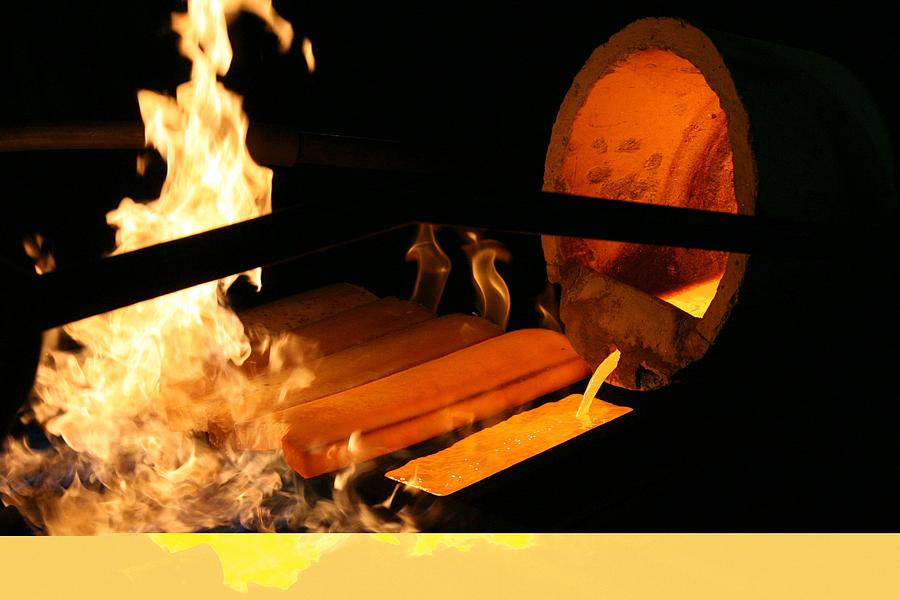
Once the gold is separated from the host rock, it is either smelted into gold bullion on-site or shipped to other facilities to be smelted. Rolex is famous for having its foundry on site, and it stands to reason that they receive its gold in the fresh-from-mill state, often in the form of pellet-like pieces of gold which can be melted down to the manufacturer’s specifications. Other manufacturers either buy their materials and turn them into components on-site or manufacture them by other companies. I am sure there are steps I am missing in this process. Still, finding concrete information on the processes involved in delivering the raw materials to each manufacturer is tough. IWC does not say in what form their gold arrives.
Shipping minerals or ore is an energy-intensive process that has to be considered in the overall figures when considering a watch’s footprint. Both ore and refined gold is heavy, requiring vehicles, ships, and other forms of transport that can handle the weight. Most of these transport methods use petroleum as fuel, so there is the burning of these fuels to consider in the claim of sustainability in a manufacturer’s product. The average mining dump truck burns about 7-15 gallons of diesel fuel per hour, depending on the work. A long-haul truck averages around 6.5 miles to the gallon, which could be less or more depending on the load being hauled. An Airbus A380 (not the perfect cargo plane, but it will do as an example of a massive aircraft that could, theoretically, be used for shipping) burns 4,062 gallons of fuel an hour. Smaller planes burn less; the Boeing 737-800 burns about 850 gallons an hour. Still a large amount of fuel. The average container ship burns a whopping 150-225 tons of fuel daily, depending on the cargo’s weight and the vessel’s speed.
Once the gold reaches Switzerland, it is most likely transported using a delivery truck. A standard delivery truck, like those used by UPS, gets about 7.5-10 miles to the gallon of diesel fuel. This depends on the load size, driving conditions, altitude, etc. An armored truck or bullion hauling vehicle, like the ones used by Brinks in the United States, gets about eight mpg. This depends on the load size, elevation, etc.
These figures can be used when determining how the finished watch is shipped from the factory to the store where it will be sold.
Ceramic
The ceramic components used in this watch are made from zirconium oxide. Zirconium oxide’s natural form is known as baddeleyite. Baddeleyite can be mined by all mining methods and is a relatively rare mineral. There is no information on where the baddeleyite used in this watch case is mined.
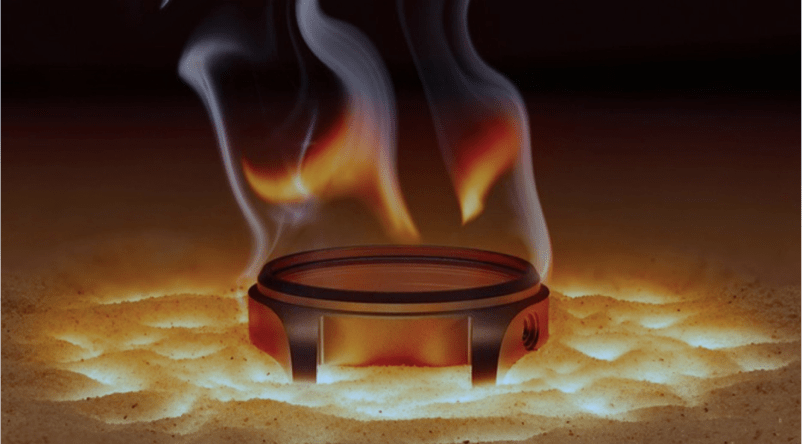
The baddeleyite is refined into a Zirconium oxide powder and pressed into the rough shape of the watch case using a mold. The watch case is then sintered at around 1400° Celsius. Then, diamond-coated tools (where did the diamonds come from? I do not know) are used to machine the case to its final shape. This process is followed up by heating the ceramic to roughly 20,000° Celsius to change the case from white to black. This is not the exact process IWC uses, as I could not find any information on the technique used to make their watch cases. I got this information from the Omega website. There could be differences between the methods used for each brand.
Does ceramic use less energy and materials than metallic cases? I do not know for sure. I would love to learn if anyone has any information in the process and wants to share it. I have been trying to learn how much energy an industrial ceramic oven uses, and surprisingly I am having a difficult go with it.
One thing to note is the significant failure rate among the ceramic components. Anywhere from 30-80% of the cases will fail their final quality control check due to the manufacturing process. I am trying to figure out what they do with the failed ceramic components. Do they toss them in the trash or recycle them? I will update you if I find anything else out.
Straps
I could not find much information as it directly relates to how the vendor IWC buys their straps from manufacturers. The one on this Top Gun was made in Italy, but that is the only information I can find on its origin or the materials used. They say it is manufactured from a textile lined with calf leather. What is the fabric made of? I do not know. Where was it woven? I think in Italy, but it could be woven somewhere else and then turned into a strap in Italy.
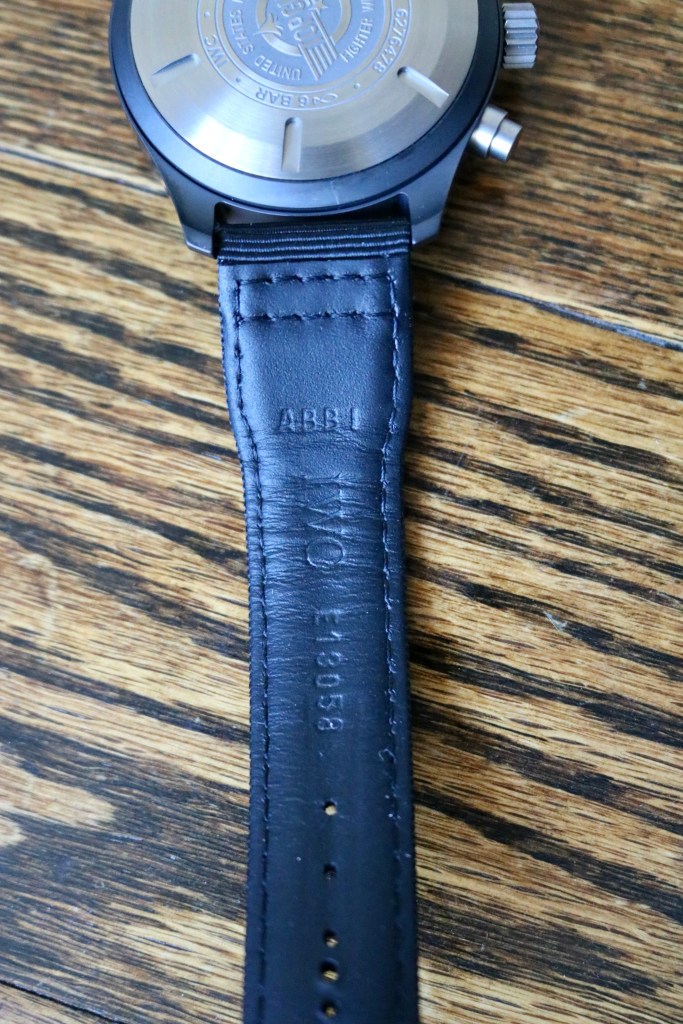
The leather comes from Europe. That’s all I know. I can’t find out where the cow was raised, slaughtered or where the hide was turned into leather before being stitched, glued to the textile, and made into a watch strap.
Conclusion
I appreciate the effort to source the materials to make an IWC watch. I also appreciate IWC’s transparency. I hope they can open up more information to the consumer about the minutia surrounding all the materials that go into their watches. The secrecy surrounding alloys and the entire material composition of components is understandable. I understand companies want an edge, and specific alloys can make their products more competitive. But at some point, I hope we can move beyond this idea and look at products through the lens of the total resources required to manufacture them.
I hope some of this information is helpful and may allow you to think about the things you buy from many different angles. Mining and material resources are integral to life, and their effects go far beyond the holes in the ground that are the actual mines. I love mining and mines and the materials the earth has produced. I hope we continue refining our mining processes and making them more efficient and beneficial for the planet, the people who inhabit it, and the products we manufacture and consume.
This project left me with more questions than answers. I do not know if mechanical watches are the answer to all our consumption problems, but the fact that they can last longer than digital devices definitely can play a role in reducing the number of products sold and disposed of when they become obsolete. In case anyone was wondering, there are currently an estimated 100 million active Apple Watches. Last year, the estimate is that Apple made 30-40 million Apple watches (they do not disclose this information). The Swiss watch industry made an impressive (estimated) 20.6 million watches in 2019, so their output is not that far behind Apple’s production. They also use a tremendous amount of resources in manufacturing their products for what it’s worth. And who knows what happens to all those watches in the end.
Ultimately, this project has shown me I need to back off purchasing watches and many other things. I have everything I need, and another watch will do nothing substantively different than the ones I already own. It has changed how I look at the cost of all goods and has made a noticeable difference in my decisions concerning everything I buy. If possible, I have changed from buying newly manufactured products to purchasing used or refurbished ones. I want to cut the waste and thoughtless buying out of my life, get rid of the watches I do not use and stick with one or two that I can wear for the foreseeable future. In short: I will do everything I can to stop buying things for the sake of buying them.
I have attached the link to the IWC Sustainability Report for your convenience.
Thanks!
https://www.iwc.com/content/dam/brand/sustainability/sustainability-report-2022.pdf#page=24
 EscapementSV