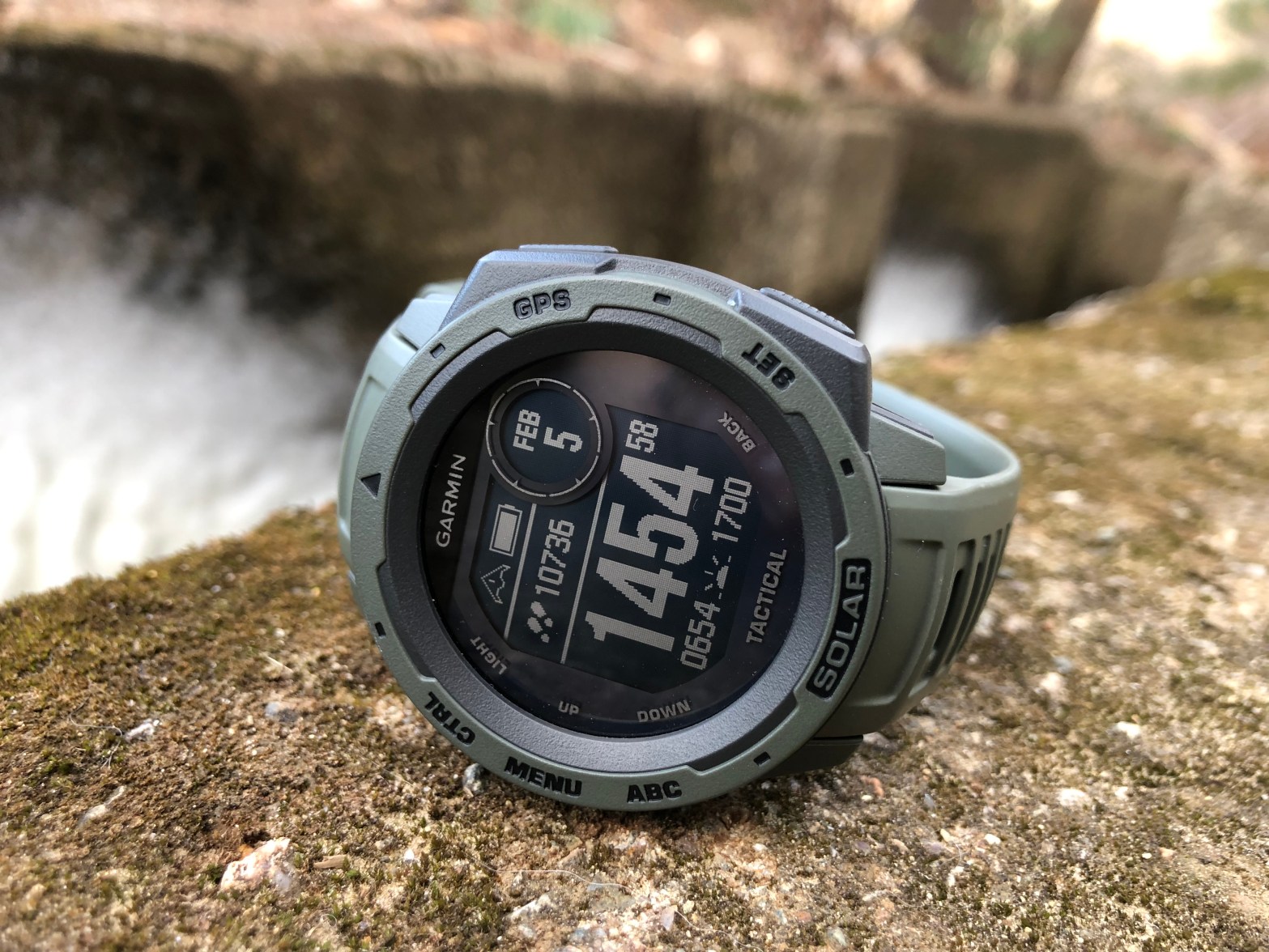
As a young man, I was introduced to the idea of tool watches through the pages of National Geographic. There was something romantic about them—the idea that a particular watch could accompany someone into the world as they performed difficult or dangerous tasks. The watch became part of the story.
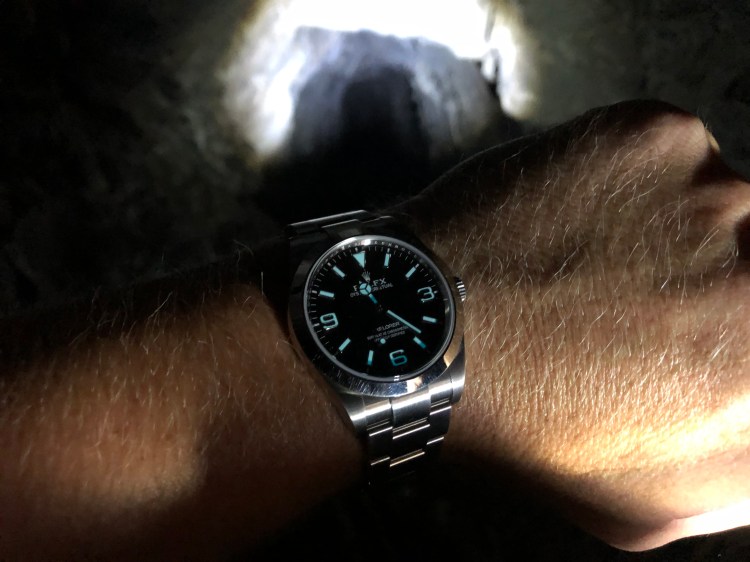
From there, I went through a number of watches I considered serious tools, including a first-generation Omega Planet Ocean. It was excellent—well built and very capable. Later, I acquired a 39mm Explorer, which remains the best old-school tool watch I have ever owned. I used the hell out of that watch. I don’t own it anymore either, but I still think about it and miss it nearly every day.
The reality, however, is that these watches—romantic as they are—cannot perform many of the tasks that a simple Suunto or Garmin can. Modern devices can track bearing, elevation gain, heart rate, GPS routes, and much more. An analog watch tells the time. But is that enough?
In one sense, it is. With a simple analog watch, a map, and a compass, you can navigate. You can calculate pace count in your head. You can estimate elevation changes using contour lines. You can even track dive time and air supply. But as devices increasingly perform these tasks faster, more accurately, and with less effort, the question becomes: why wouldn’t we use them?
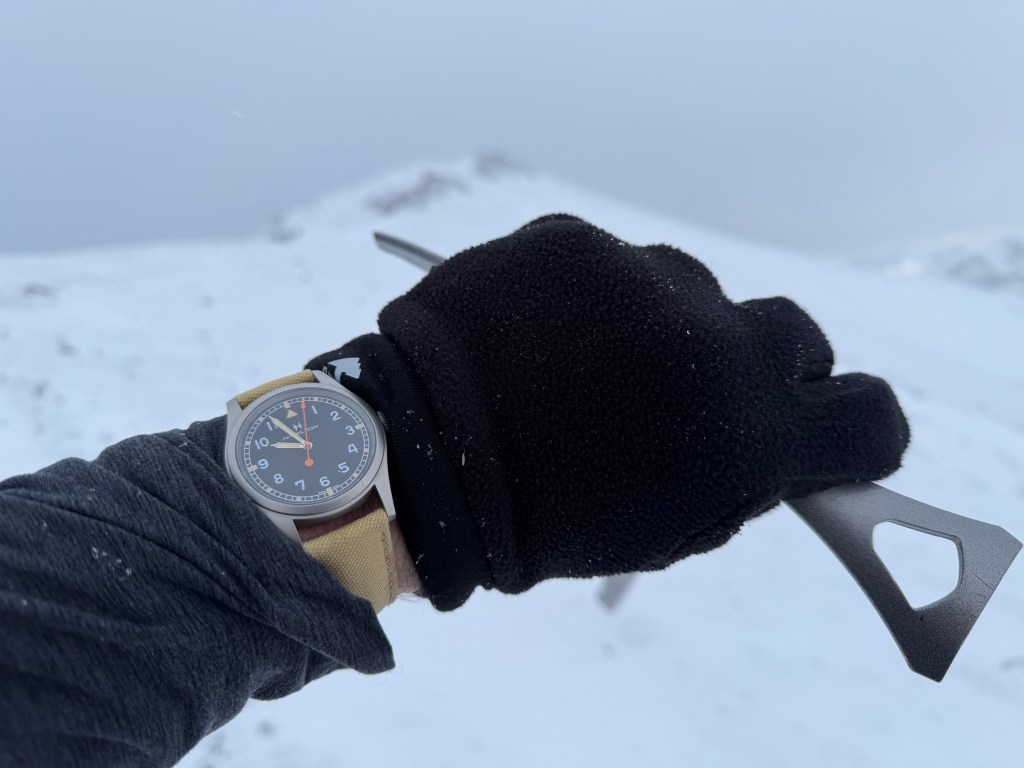
One answer, I think, lies in the emotional attachment we form with mechanical watches. It’s difficult to build the same relationship with digital technology. These devices have short lifespans and deliver their information with cold precision.
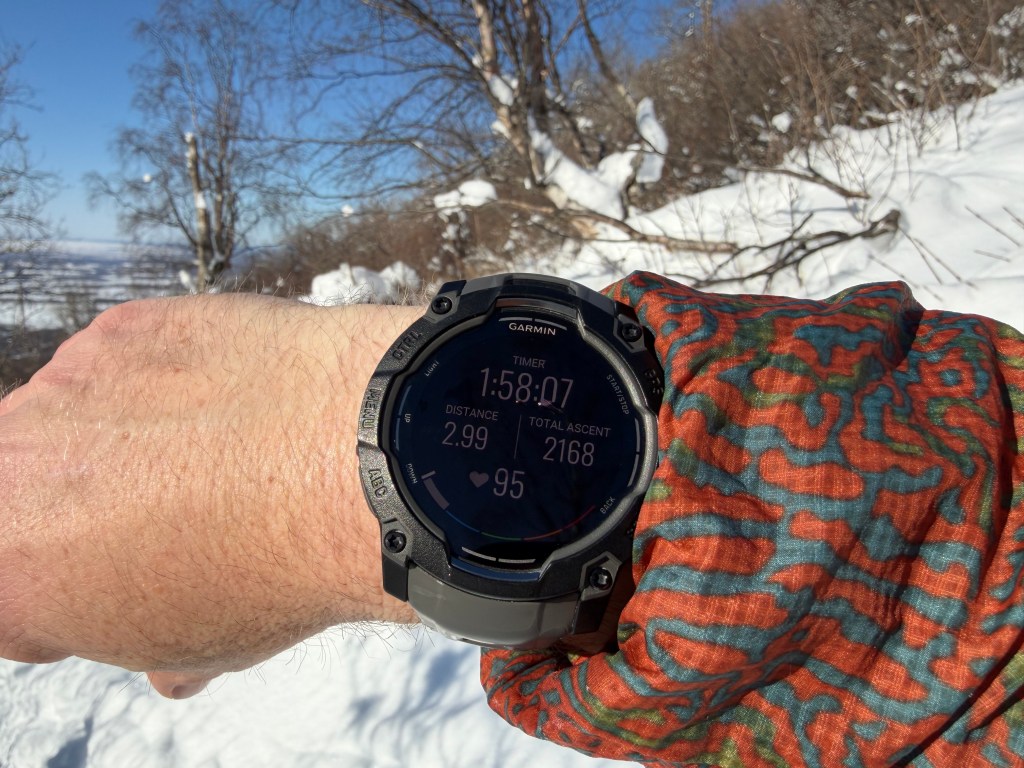
My Garmin, for example, feels like a remorseless taskmaster. On Monday mornings, after a brutal week of exercise, I look down and see my “intensity minutes” reset to zero and the graph that tracks my progress completely empty. The thing feels indifferent to the effort that came before. And yet, for training and activity tracking, it is incredibly useful. Heart-rate monitoring alone makes it indispensable.
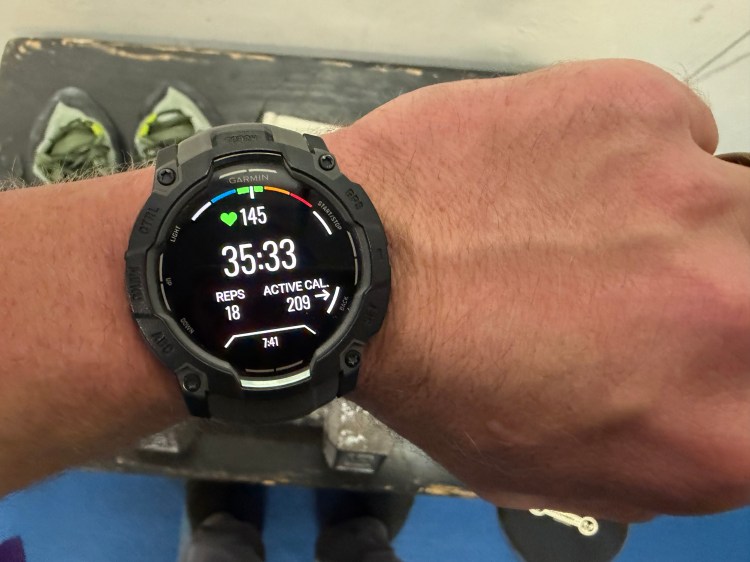
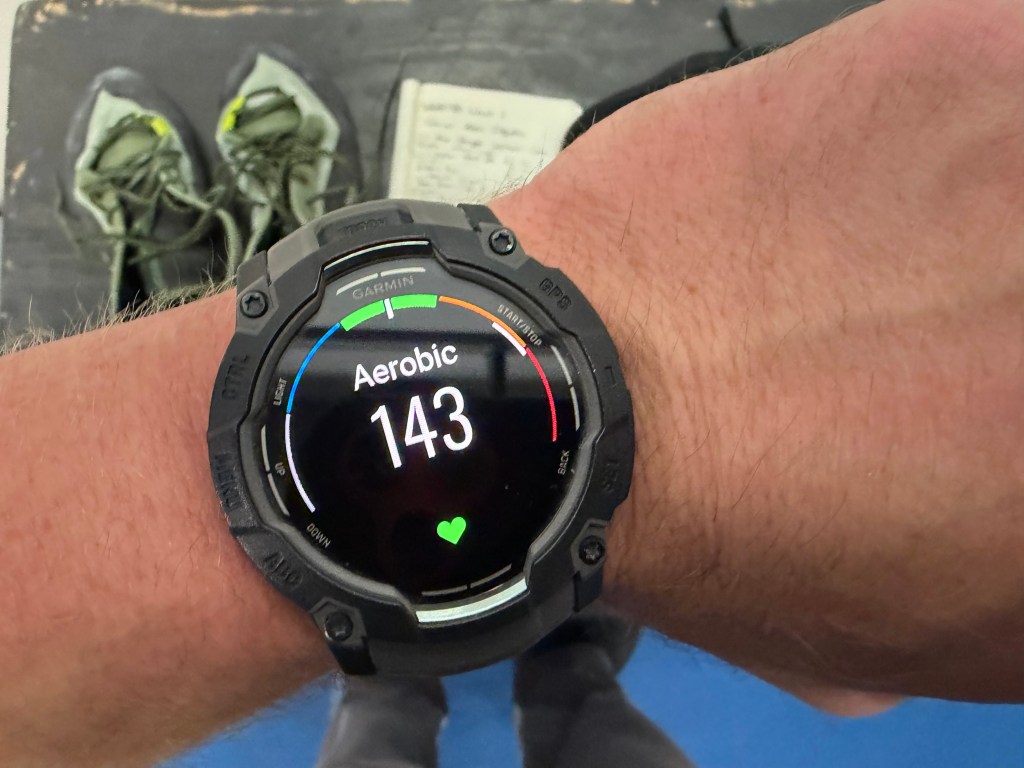
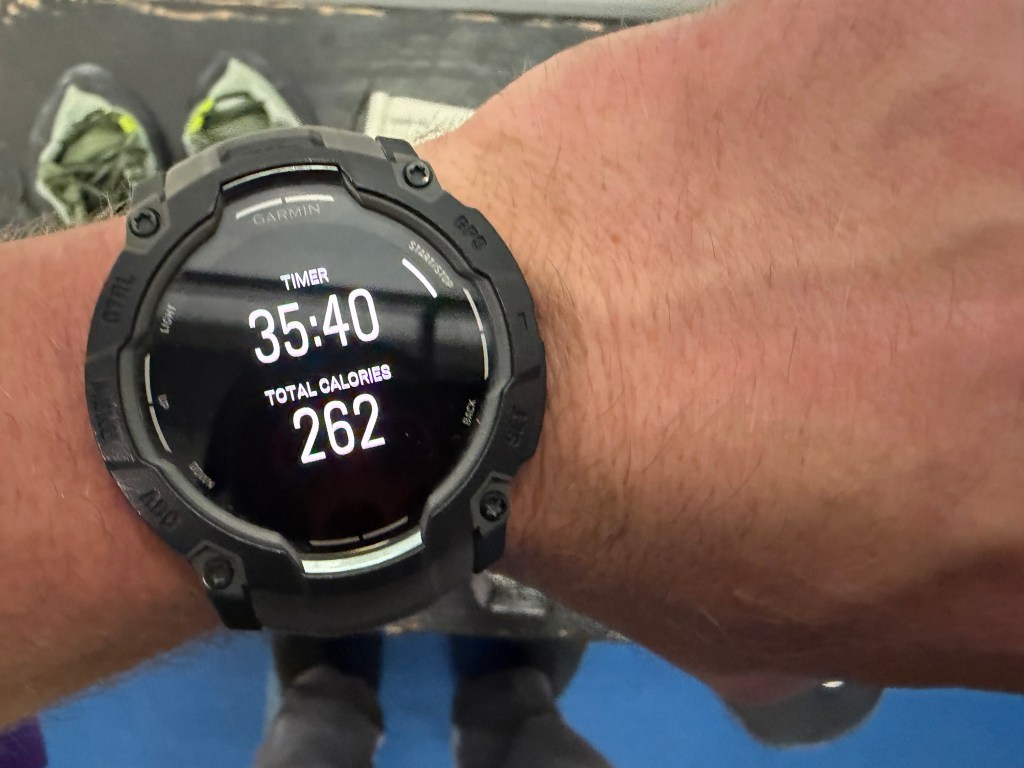
Another benefit of the Garmin is that I simply don’t care about it in the same way I care about a mechanical watch. When I’m climbing, I have no hesitation about jamming my wrist into a crack or banging the watch against rock. Scratches and dents mean nothing. It’s a tool, and I treat it like one. The same could be said for a G-Shock, a Timex Ironman, or any number of other rugged digital watches.
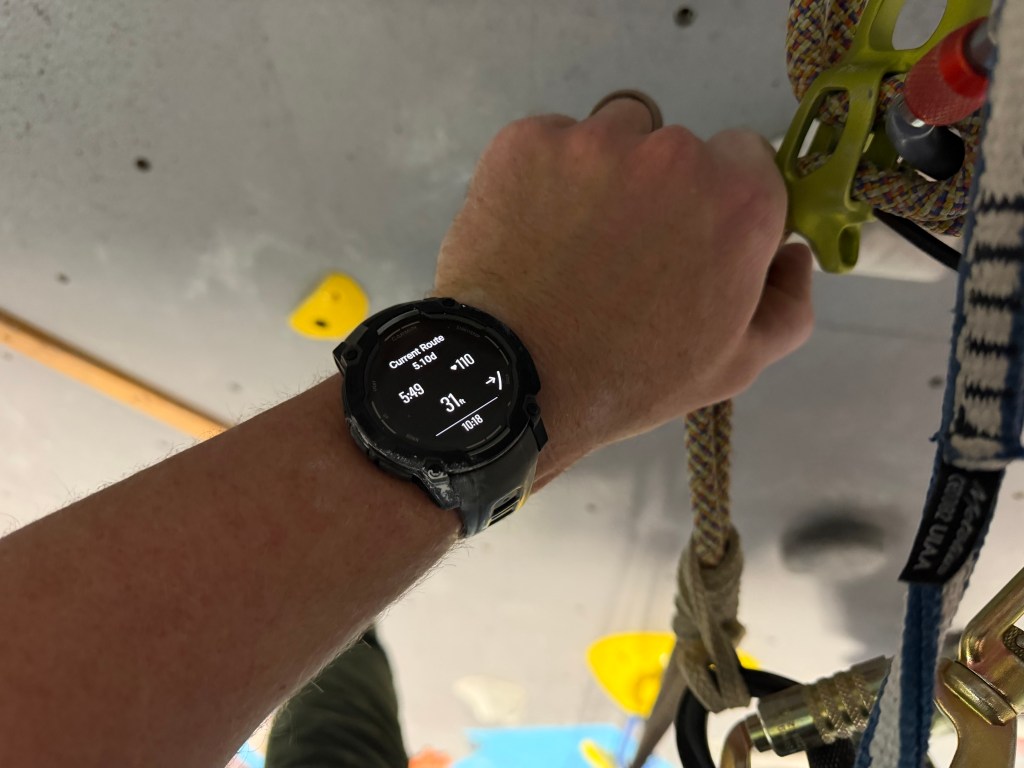
I would never treat my mechanical or quartz watches that way. I like them too much. I appreciate their craftsmanship and the emotional pull they have on me. I also know that repairing them can take weeks—or months—and cost a significant amount of money. Replacing a broken Garmin costs less than half of what it would take to service a Rolex.
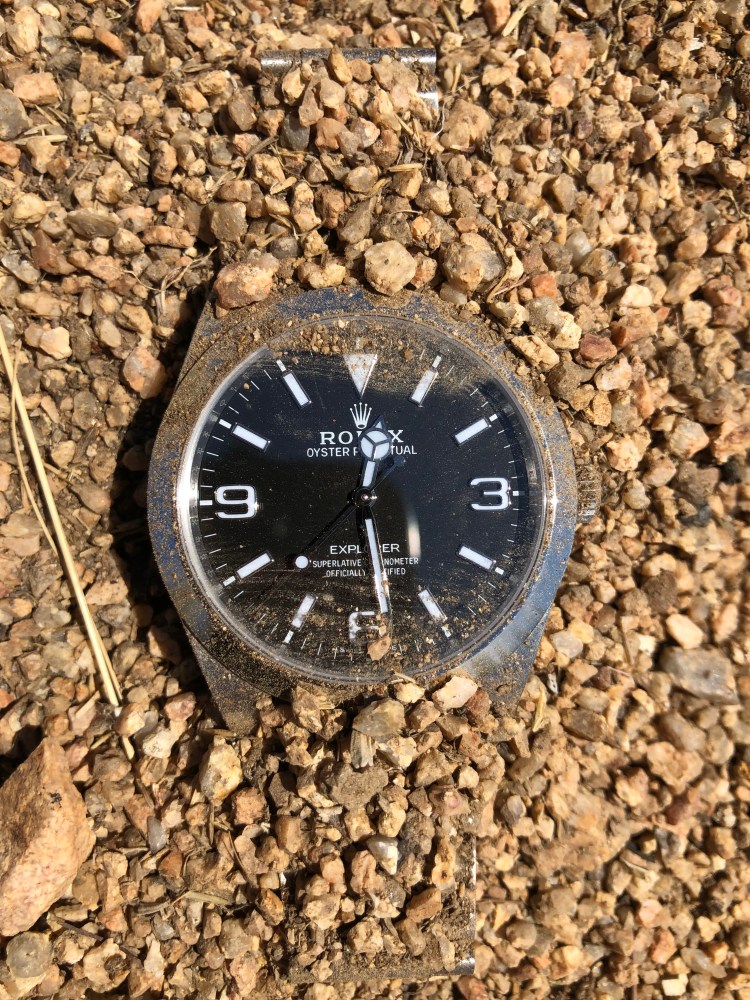
Over time, I’ve had to let go of the mid-twentieth-century idea of what a “tool watch” is. Technology has advanced, and modern devices are simply better tools. Not using my Garmin in the backcountry would be doing myself a disservice.
The flashlight alone has been invaluable when digging through gear in the darkness of an Alaskan evening. Add to that route tracking, heart-rate monitoring, navigation, altitude-acclimation monitor, heat-acclimation monitor, incident detection, and SOS messaging, and the advantages become obvious. These features can even save lives.
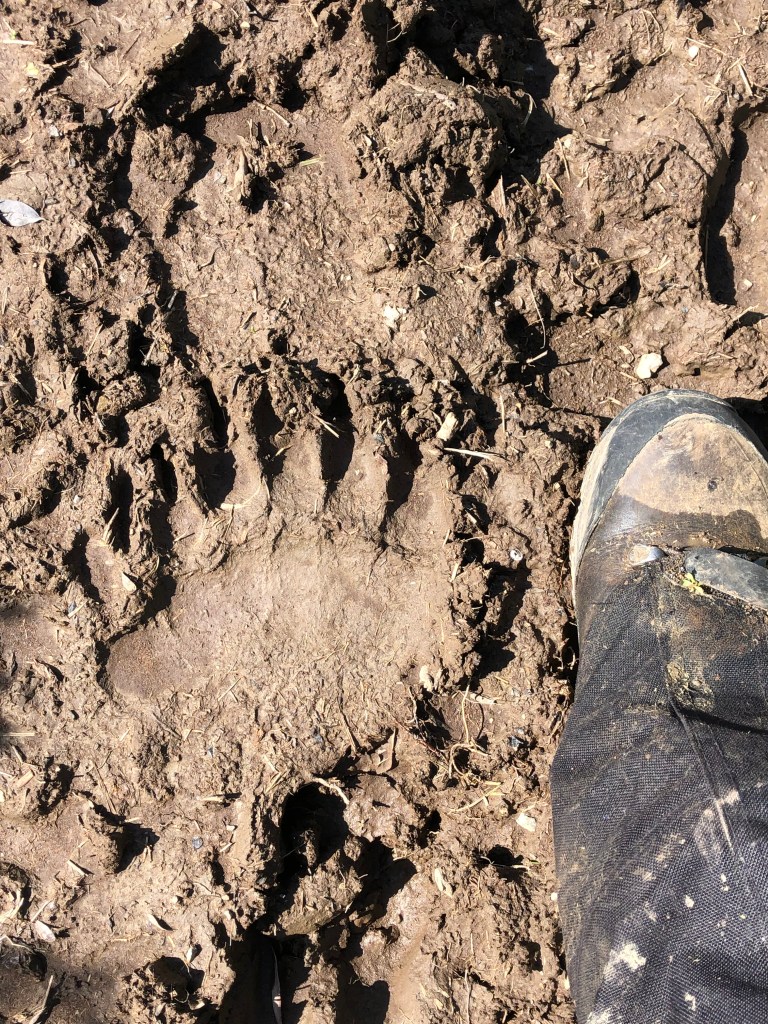
Last year, a woman was attacked by a grizzly bear near an area where I often hike. She was far from the trailhead in a remote area and alone. Using the SOS function on her watch, she alerted search and rescue. They reached her in time to save her life. You can’t do that with an Omega, for example. The Breitling Emergency exists, of course, but it is extremely expensive and far less convenient to use. In this case, the connected watch saved the day.
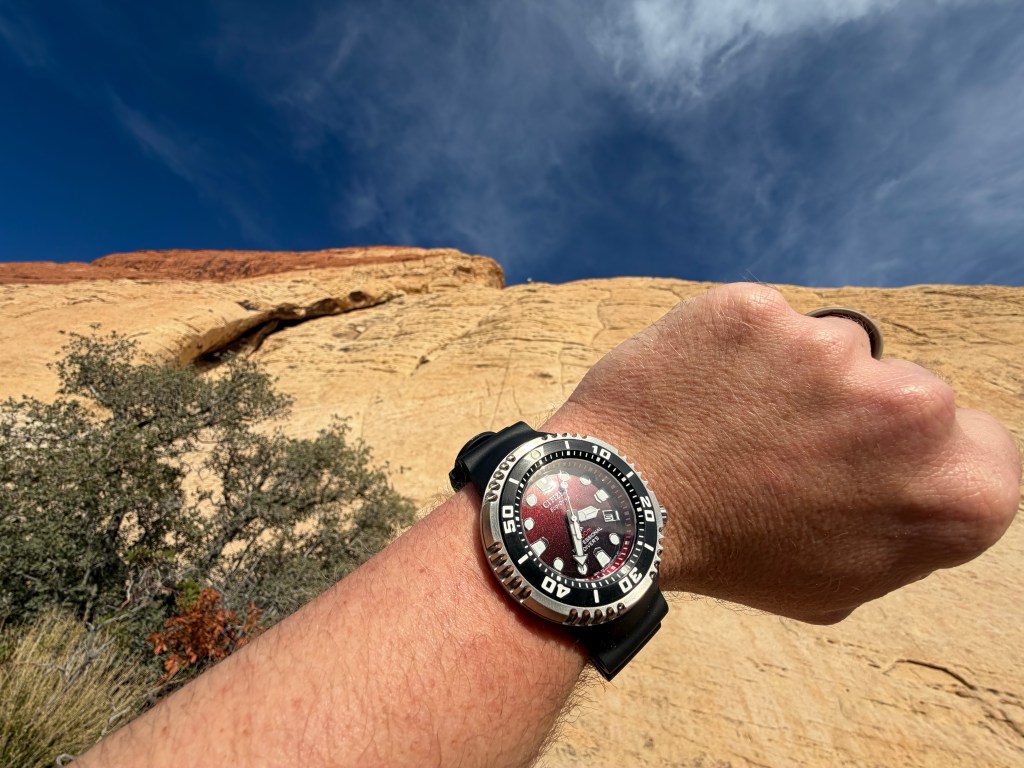
These days, my solution is simple: I wear both.
I used to scoff at the idea of “double-wristing,” but I see it differently now. I won’t go into the backcountry without my Garmin, but I also want to wear the mechanical and quartz watches I enjoy. Wearing both solves the problem. Is it cool? Not really. But I rarely see anyone while I’m out there anyway, so it doesn’t matter.
In town, if I want to track my steps, I toss the Garmin in my pocket or bag. While climbing, I leave the mechanical watch at home and wear the Garmin. At other times, I wear both and get the best of both worlds: the memories and romance of mechanical watches alongside the practical benefits of modern technology. So, unpopular as it may be among watch enthusiasts, the modern tool watch is probably the Garmin—or something like it.
That said, analog watches still have their place. Garmins run out of battery after a week or so of heavy use. They rely on connectivity. They collect data about their wearer. They can be used to track people without their knowledge. For those reasons, I still wear analog watches every day. I just add the Garmin when the situation calls for it.
And that works just fine for me.
Let me know your experiences and how you decided on your tool watch in the comments.
 EscapementSV