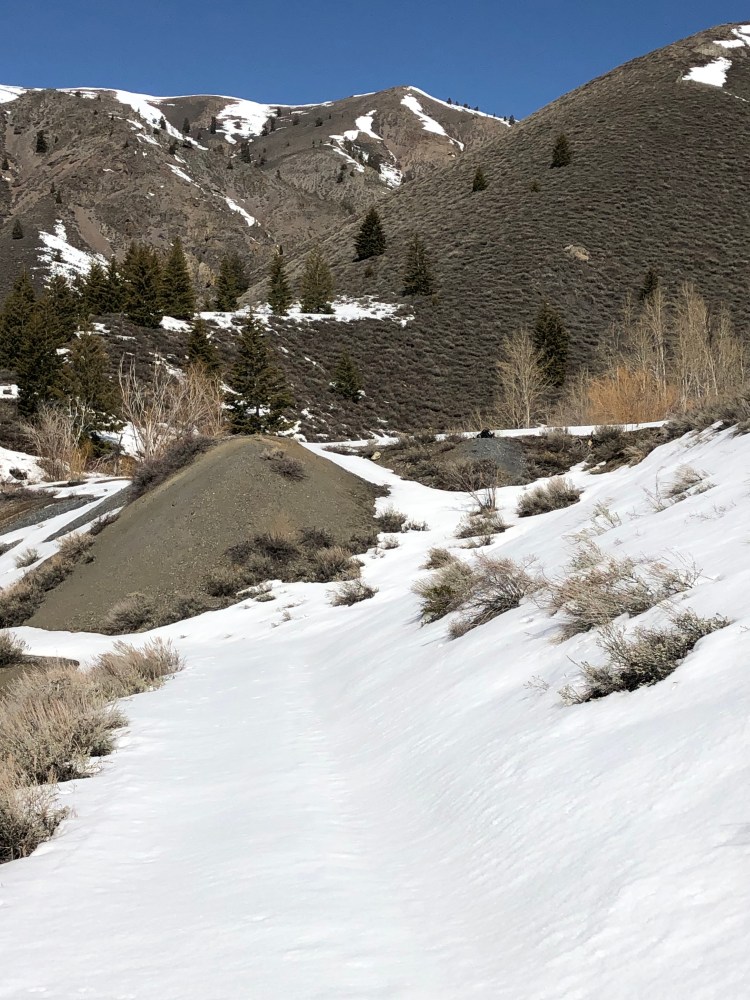
It was a snowy and wet Saturday morning in April when I got the news: my venture into mining would have to stop. I had placed my claim on a developer’s (unmarked and unlocated on any maps) private land. It was an easy mistake to make. The area is surrounded by Bureau of Land Management land and sits adjacent to a sizeable inactive mine known as the Red Elephant. I had plotted my points using the BLM’s online map and was told this was an approved piece of land to mine.
It encroached only on a small part of this developer’s piece of land, but this meant I had no choice but to remove my claim markers and find somewhere else to work. It was a blow to my aspirations for life. I wanted to learn how to mine to create purpose and understanding in life by breaking through the soil and rocks and extracting the minerals hidden inside the earth. I have seen the beauty of the night sky and things above my head; now, I feel called to discover the beauty under my feet and learn the actual effort required to extract minerals from the earth.
But the days of the lone prospector roaming freely through the West searching for a claim to stake are a romantic memory. There is no unclaimed land left. Past mines have been exploited to their ends or are owned by large conglomerate mining companies. The land that isn’t mined has been divided up and sold to private individuals or the government for preservation or development. As the demand for more housing developments has grown, people have turned their eyes to places like the old mining area I wanted to work, as options for development. In the past, no sentient human being who could use the bathroom on their own would have thought of building a house or housing community on an old mine site, especially one that mined silver and lead. But as populations increase, they have become some of the last areas of land available for developers to focus on.
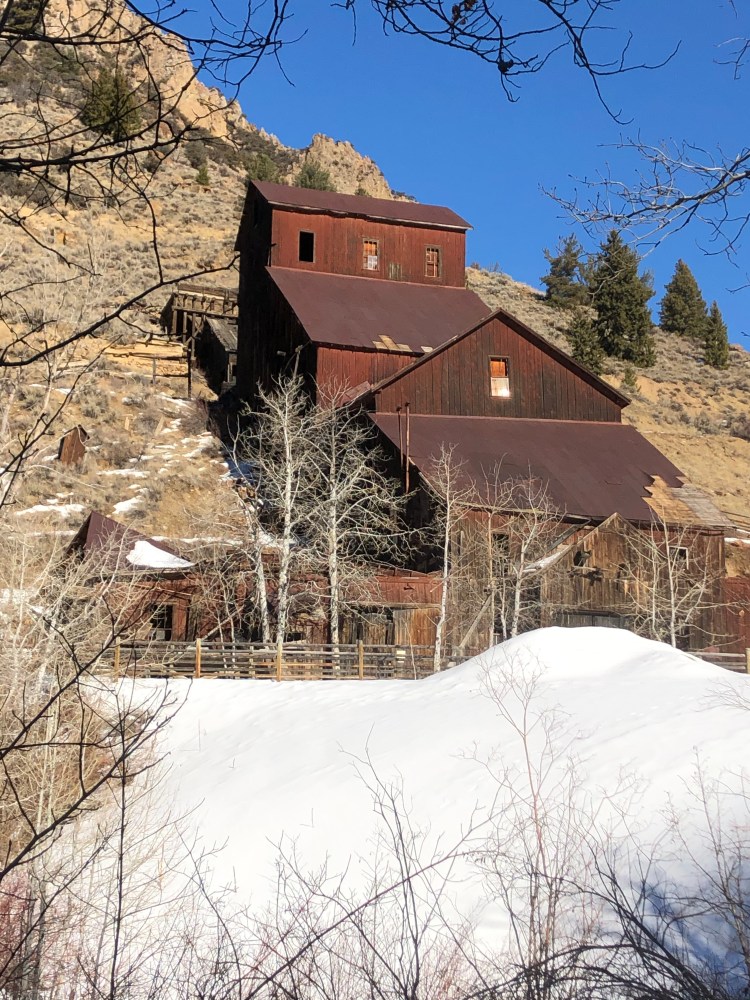
This is unfortunate, though, because our collective identity in Idaho (beyond that of the Native Americans, but this is a topic for a different time) is based on this early mining history, and to tear these places down would bring us even farther away from the roots of who we are. My hometown would not exist if it weren’t for mining in the late 1800s, a fact repeated by many but understood by few. These past people worked very hard at these mines to create the world we now have, and tearing down their efforts to alleviate a temporary housing problem would be very sad. We would lose something within ourselves.
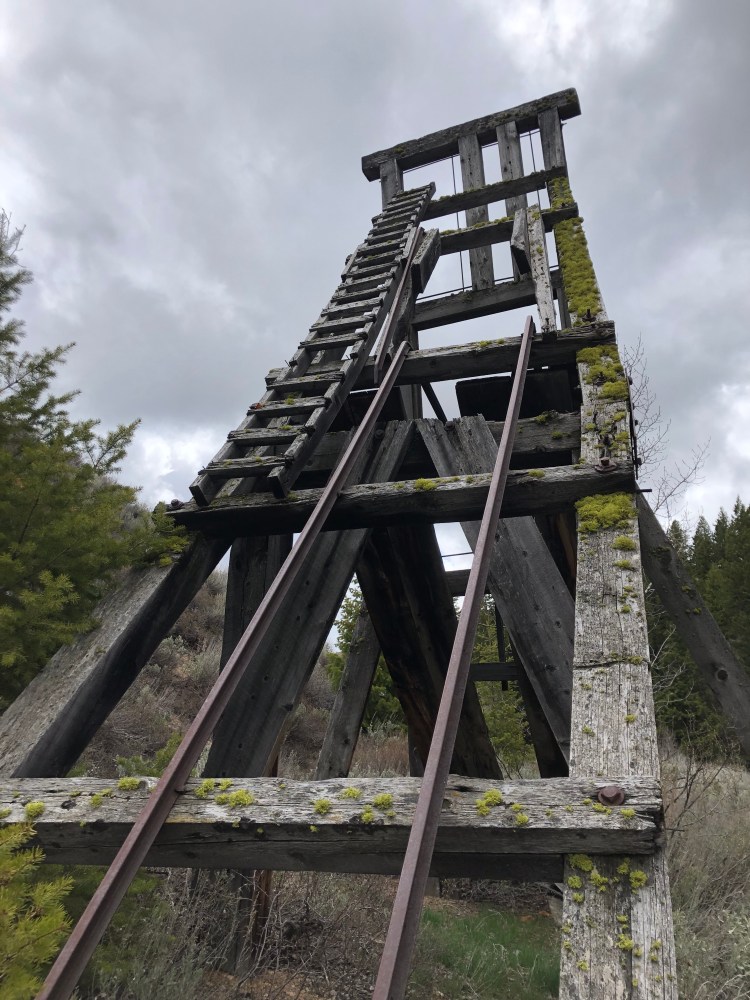
Despite these issues, I still hoped to find somewhere to stake a claim, and I learned more about the process every day. Before staking this claim, I had to read laws and codes, spoke with the BLM and Forest Service, and learned how to use a non-intuitive and complicated mapping and charting program. After a few months, I found some land I was interested in and explored it using old geologic reports and accounts of previous mining activities as a guide as I wandered the mountains. Eventually, I knew this mine, the Red Elephant, was the mine for me, and I decided to stake it. It was a hell of a time, and much of it was fun.
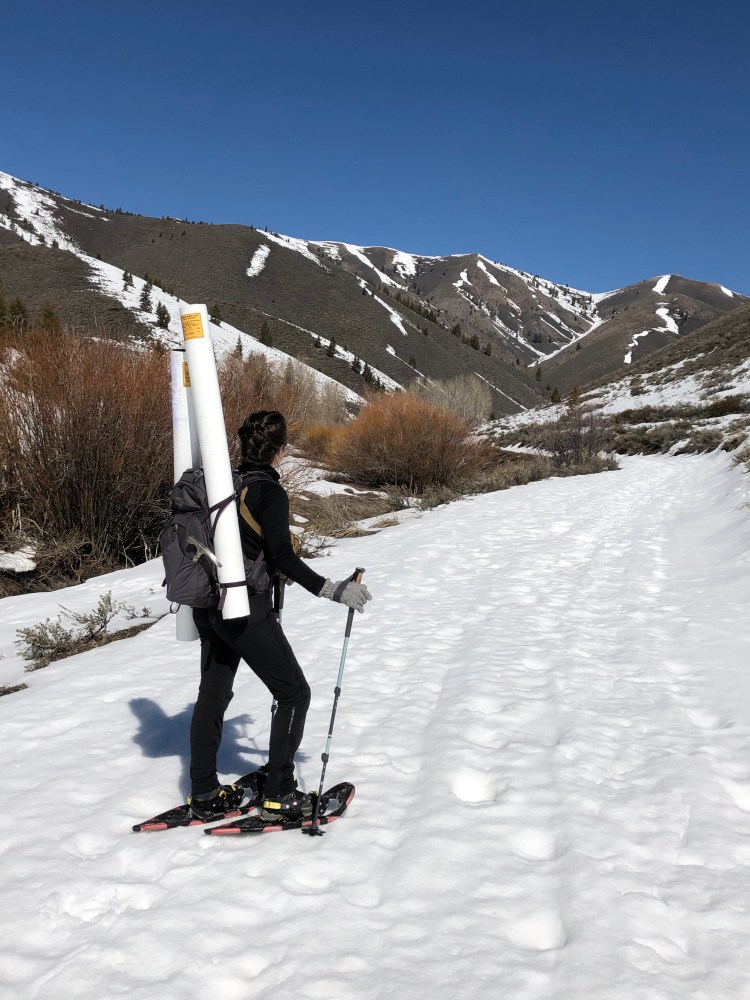
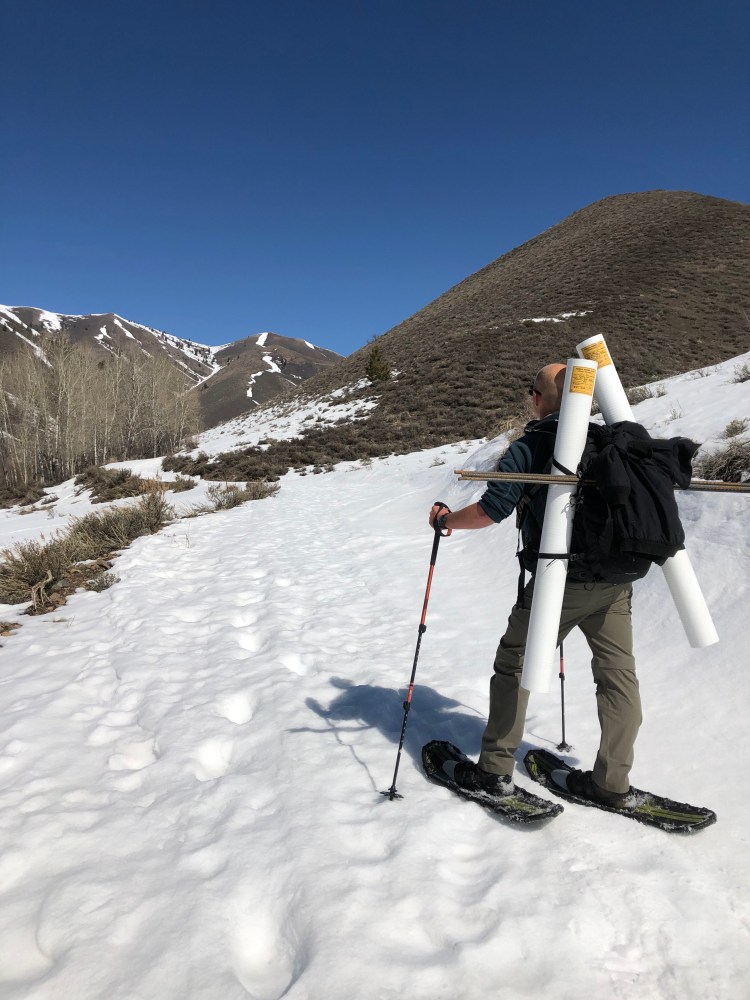
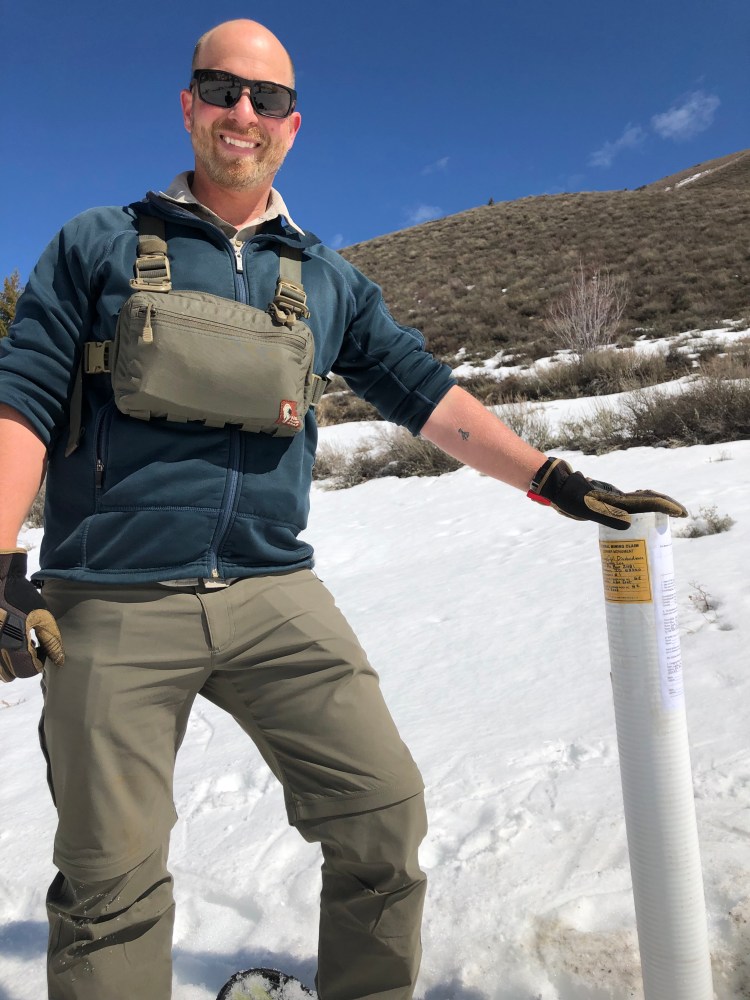
My fiancé and I brought the rebar and pipes for the claim boundaries in on our backs while trudging through the snow in snowshoes. Once there, we had to locate, dig, and pound the stakes through the snow and frozen ground; it was tiring and wet work but most rewarding. After the snow had melted, we designed and laid out a place where we would build a platform for a bell tent. It was in the trees, out of sight of the mine and the road, next to a stream, and at the base of the mountains. It smelled like pine and was beautiful. Here I felt free, alive, and able to live in the world as an active participant, not an observer—the only way to live.
But fast-forward to this April morning, I felt this freedom slipping away. It seemed all this work would not culminate in anything. To be dirty, to do work that is real and tangible and requires sweat and blood is a gift. It is far removed from luxury watches, academics, or civilized work. This made it rewarding. It fulfilled the desire I felt inside to be a prospector and a free human, a man of exertion and labor, the person I was raised to be. As I dressed in the early morning light, I resolved not to let this setback defeat me nor to give up searching for a way to live and work in the world that I believed in.
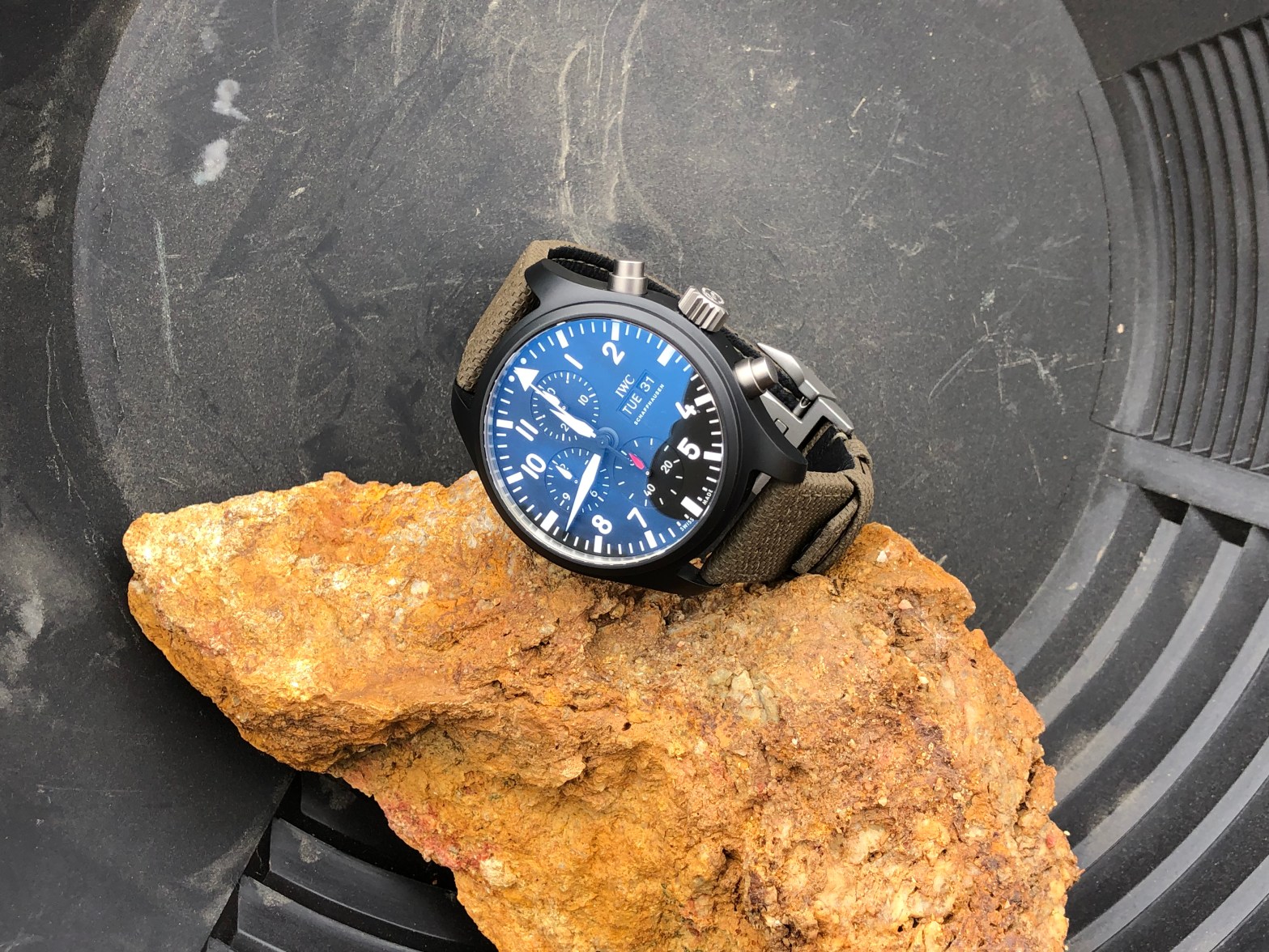
On the day I had staked the claim, I had worn my black IWC Top Gun Chronograph. I knew it would be rough work using hammers and carrying rebar, something I did not want to subject my Rolex to. The IWC was perfect for the job. It shrugged off getting hit with pipes or hammers and the snow and mud. But throughout the rest of this mining adventure and daily life, I had been wearing the two-tone Rolex Daytona I acquired at the beginning of the year.
I struggled to wear it, though, because I have always felt that two-tone Rolex watches are for businesspeople from Los Angeles or brokers on Wall Street, both of whom I hate. I always felt two-tone signaled a high degree of posing by the wearer. But I tried to put this aside and wear the watch on its own merits. It could be its own watch, and I could wear it and look past the two-tone Rolex baggage.
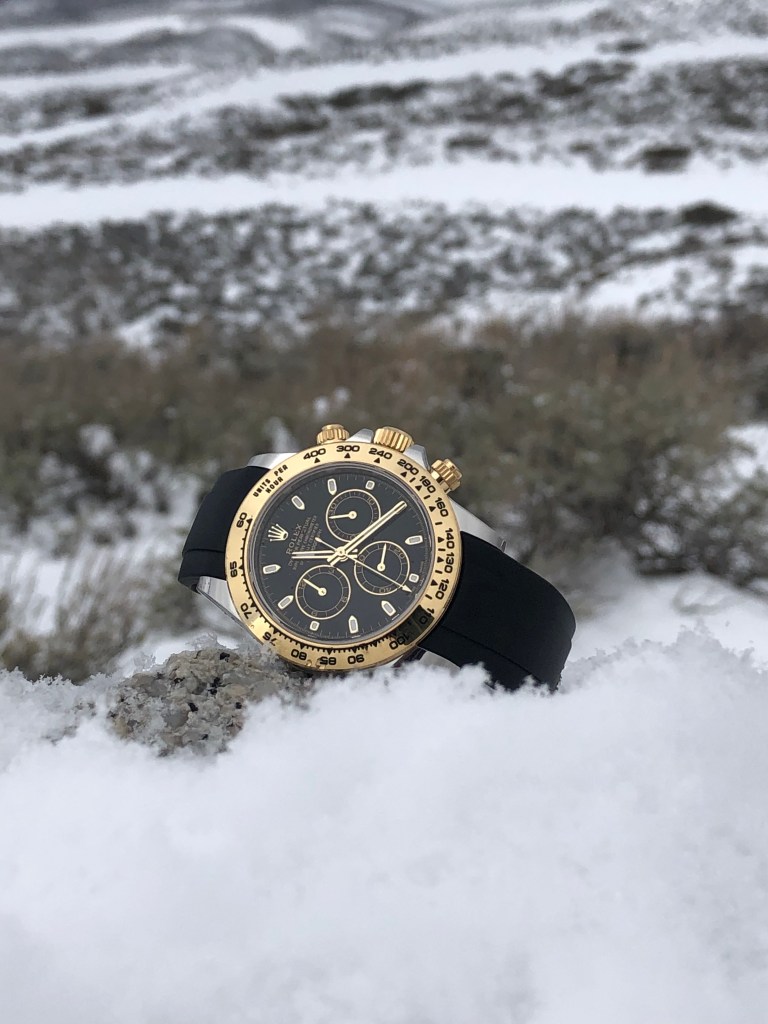
As I drove up the road to my claim, I realized how wrong I was about this Rolex. Who was I to wear something like this? What was I trying to prove with it? Sure, a part of me wanted the approval I would get from others for owning a Daytona. But why should I care if anyone notices what watch I wear? I shouldn’t wear a watch for them; I should wear it for myself. I had never cared about this before, but now, for reasons I could not entirely fathom, I did.
I realized that this Rolex carried an unspoken danger: it had the power to take me away from who I am. If I let it, it could bring out the same traits I disliked in others who wear Rolex watches- the desire to be noticed and seek approval through an object, not through character or actions. I had forgotten who I was in the fervor of the watch world. I had been bombarded by stories, marketing, and others who told me what I should value. I had bought the hype around the Daytona even if I didn’t really like this Daytona. This is sad because it is a great watch, but this is the reality with Rolex now.
I also found that this watch would let me join the cool-guy club of watch collectors here in my part of Idaho. But once in the club, I saw these people for who they are. Fake, petty, and lost in things that do not matter. It was time for me to wake up.

No Rolex will change where I firmly stand in life and the world. No watch would make me better. Only actions could do that, genuine, honest actions based on the integrity of knowing who I am.

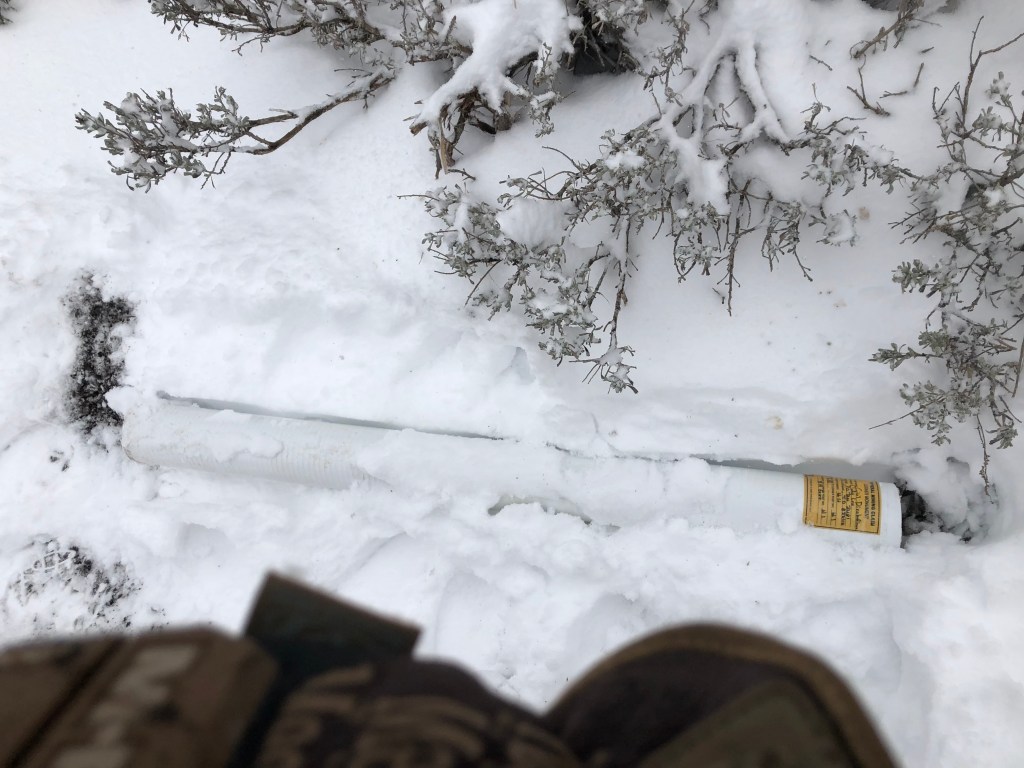
After running these things through my mind, I arrived at the claim and started to pull the boundary markers with a strangely optimistic heart. The clouds sat like blankets on the mountainsides and dumped all their moisture, but this did not change my mood. I was losing something today; my desire to try and be something I was not through my watches was coming apart. Stitch by stitch. I looked down at the Daytona frequently as I worked. It was shiny and beautiful and didn’t lose any of this beauty as it got covered in mud and snow. None of this hid what it was, however.
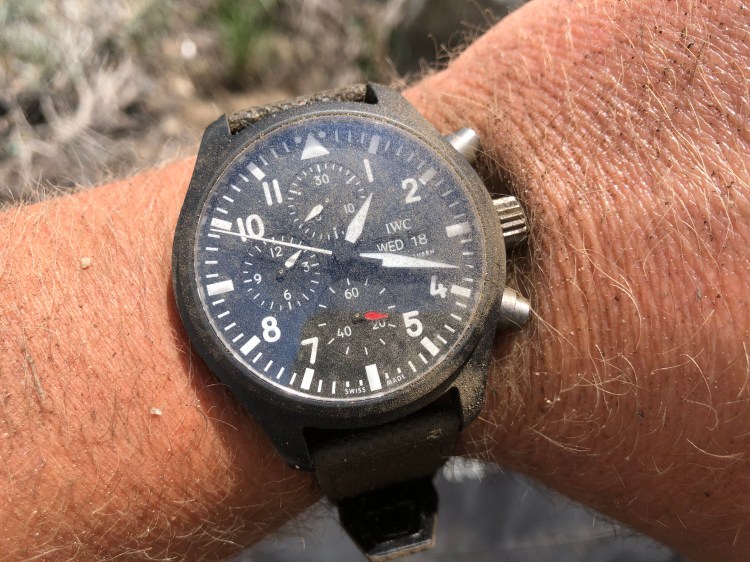
When I got home, I grabbed my watch box out of the closet and took out a watch I hadn’t worn for a while, my black ceramic IWC Top Gun Chronograph. I took the Daytona off and strapped the fabric strap of the IWC onto my wrist. I immediately felt better; I was going home.
This IWC should have been my only choice. It was the object that started me on my adventure mining. I had done a research project on the origins of the materials used to manufacture this exact watch; I became obsessed with mineral extraction, mining, sustainability, and the actual cost of the objects I use as I live. This watch pushed me to discover the truth behind where the items I own and consume originate. It may be just an object, but it is an object that opened my mind to ideas and knowledge far beyond the realm of wristwatches. No phone or car or pair of shoes could bring this much wonder and drive me to work so hard to learn about its origins. Only a watch could do this. Only this IWC did do this.
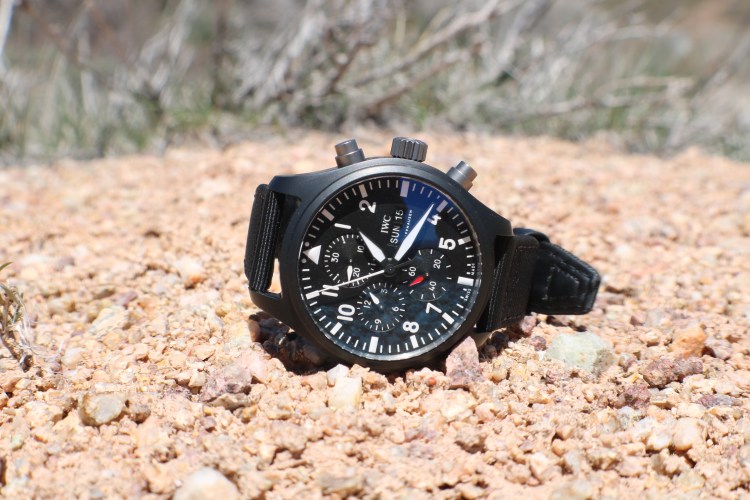
This watch pushed me out of my house and into the mountains again. It made me realize how I like being dirty, sweaty, and tired. I owe it more than just a chance to get out of my watch box; I owe it a debt to continue to create myself with it. It was the watch I wore the most in the year since acquiring it, but it had been relegated to my watch box for a while. Sitting unused as I tried to find other, more special watches. However, it was a waste of my time to try and find another watch. None of them can compete with this IWC.
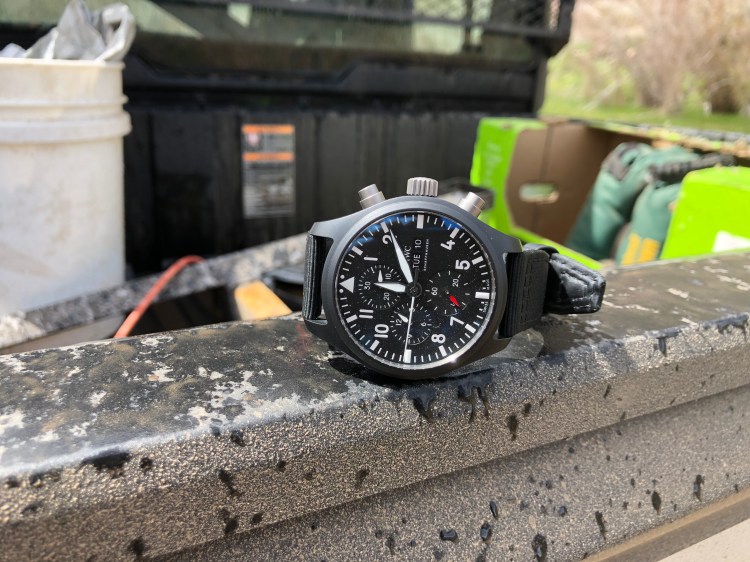
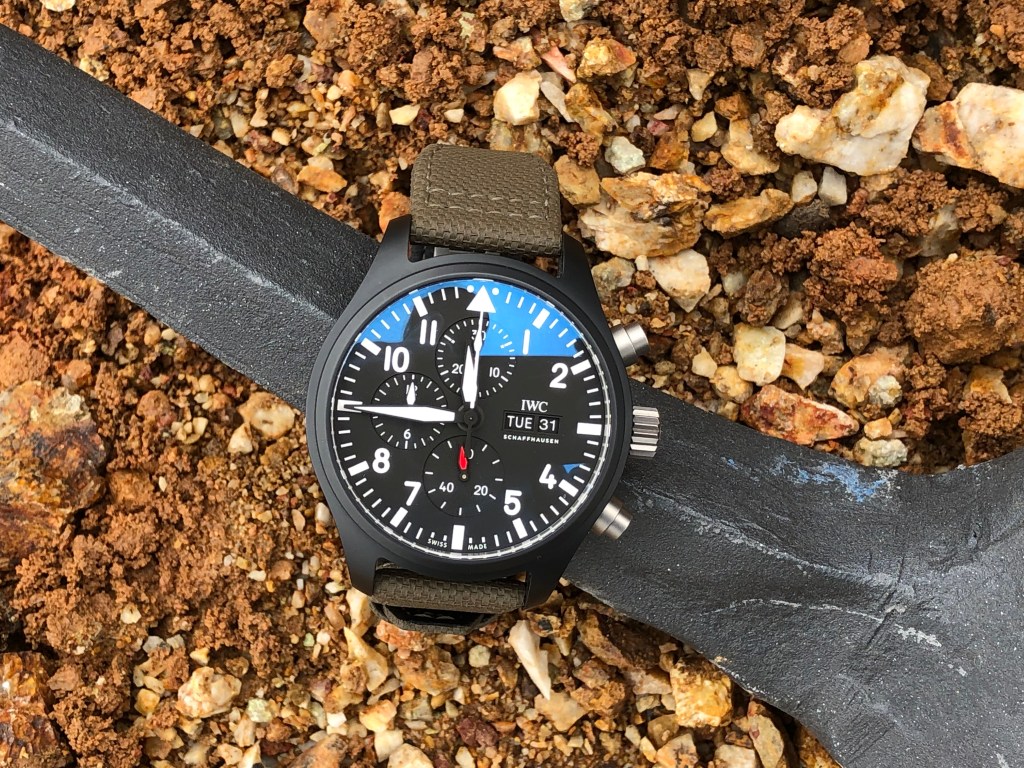
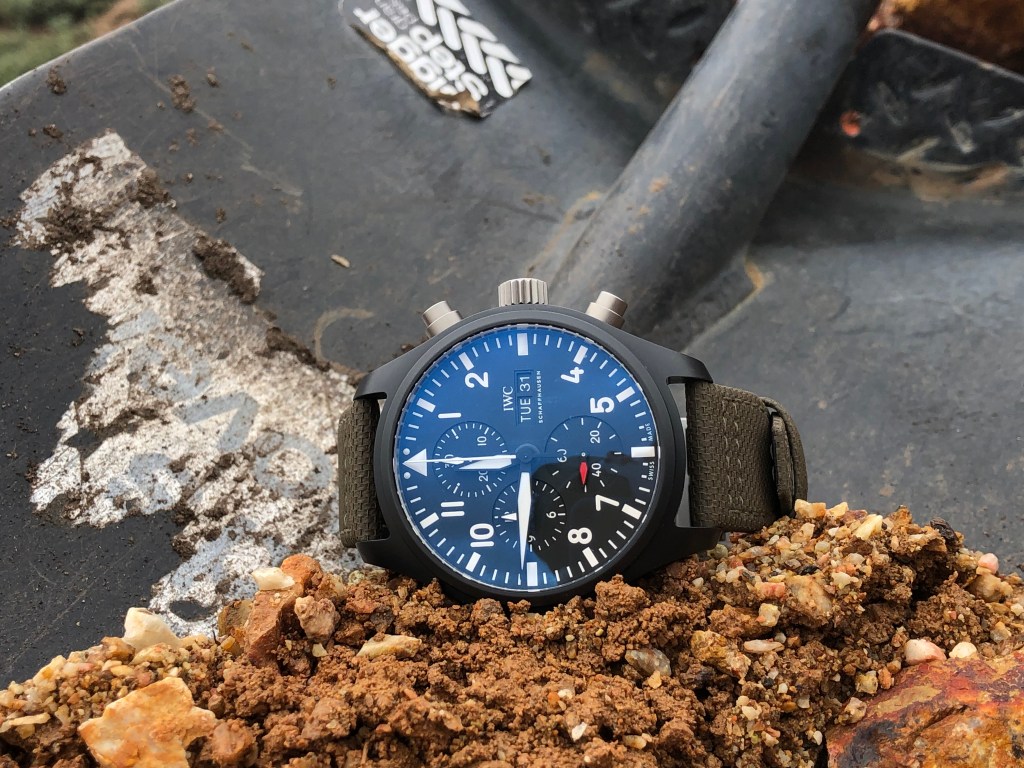
I am more grateful for it now than ever before. In the view of the man I am, this watch is within complete integrity. There is nothing “cultured” or braggadocious about it. I have never seen someone wear one at a symphony or dinner. In fact, I have never seen an IWC worn out in the wild anywhere in Idaho. It is not shiny, nor does it try to look expensive; it has nothing to draw the casual or non-watch lovers’ eye. It is over 44mm wide and 15.7mm thick. Despite the size, it weighs less than the Daytona. It looks right, feels right, and can do so much.
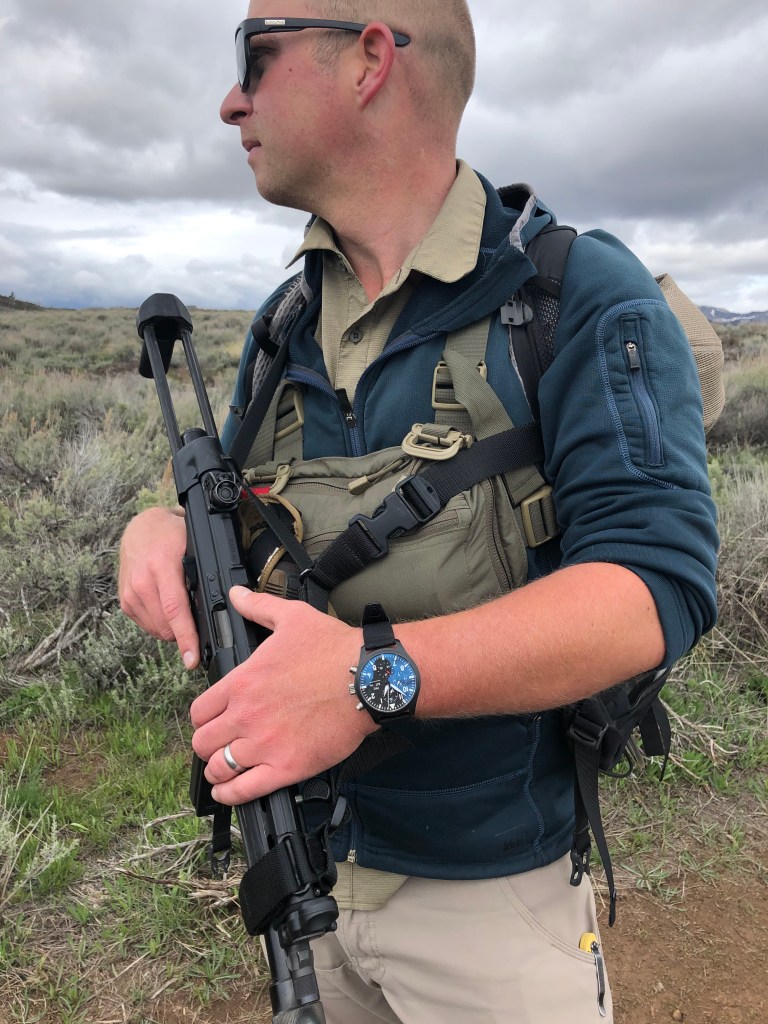
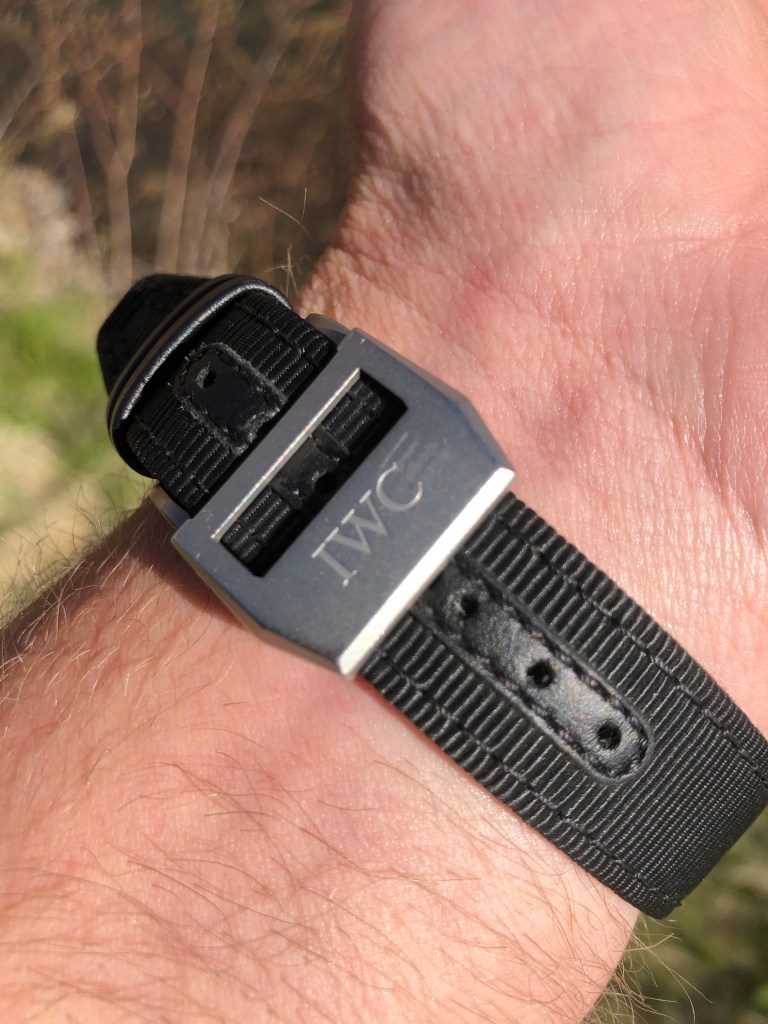
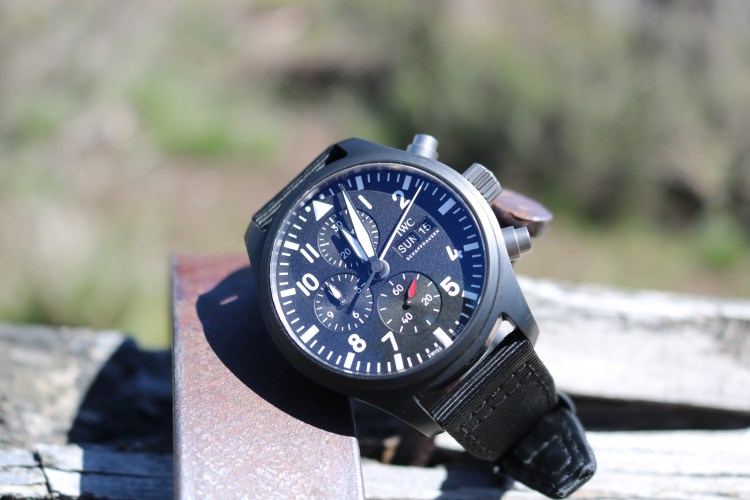
The fabric strap is well designed. I wear the strap hard, and it gets dirty and wet frequently. Not just damp, but soaking wet. I take it into the shower; I take it into the lakes and rivers. I get it wet in the water that flows through mine shafts; it gets wet when I clean the gunk off the watch. There is no deterioration that I can see in the leather or the fabric itself. There is no fraying, no discoloration, and no rips or tears. It never smells bad. I treat the leather with some leather preserver whenever I think about it.
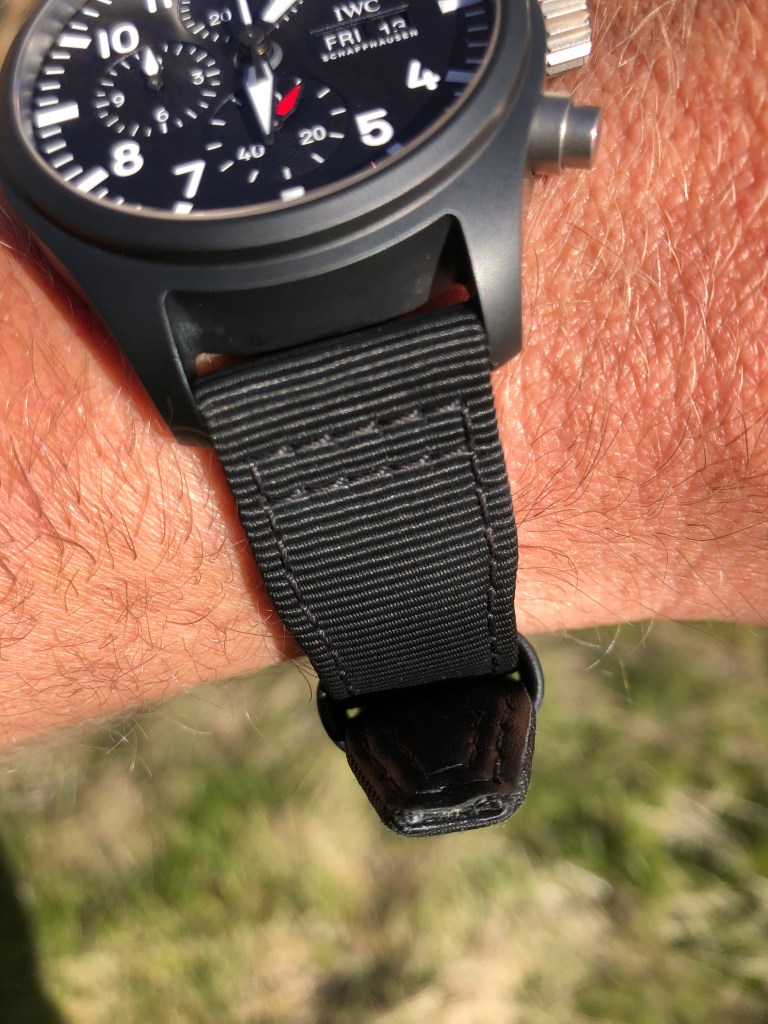
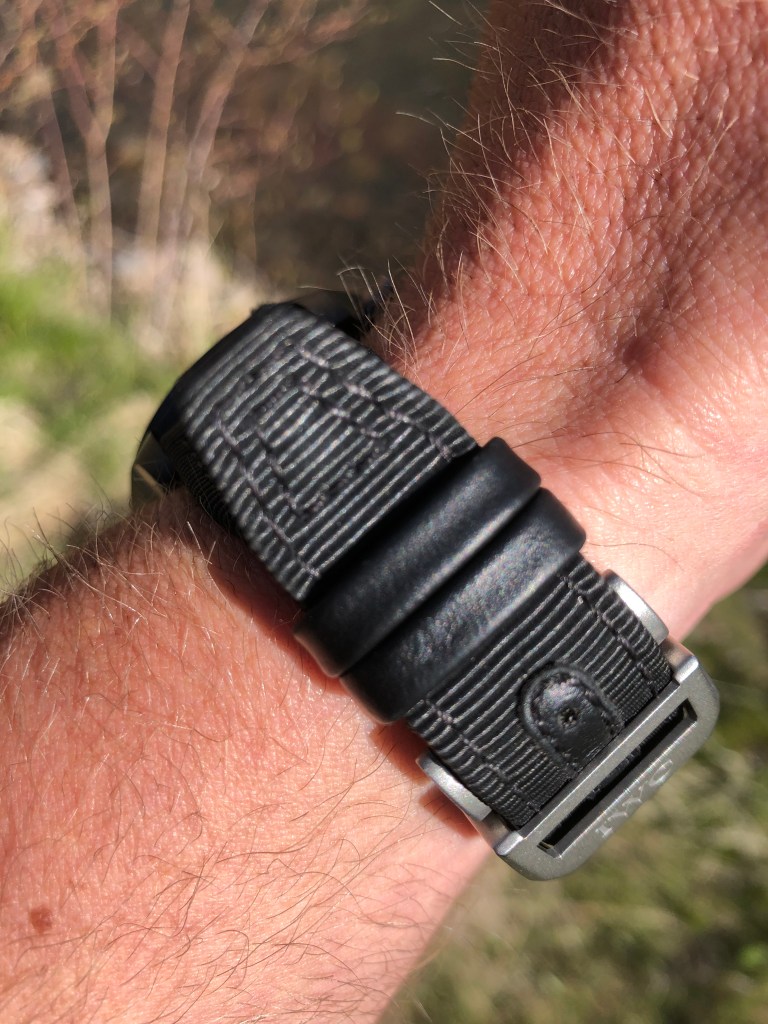
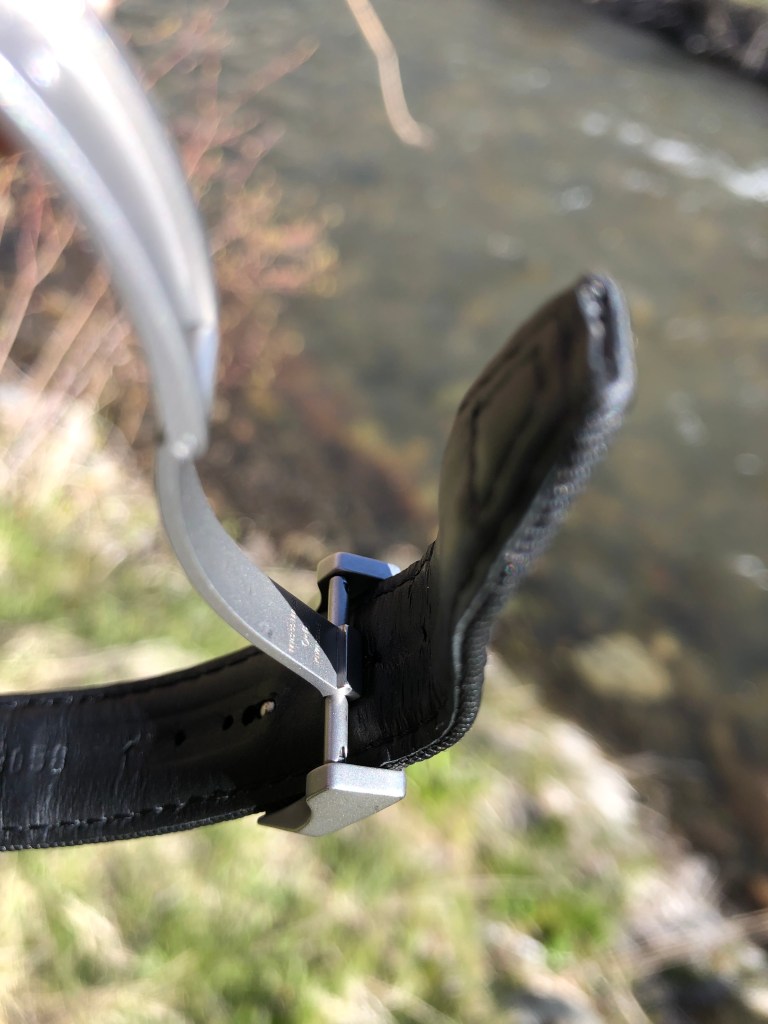
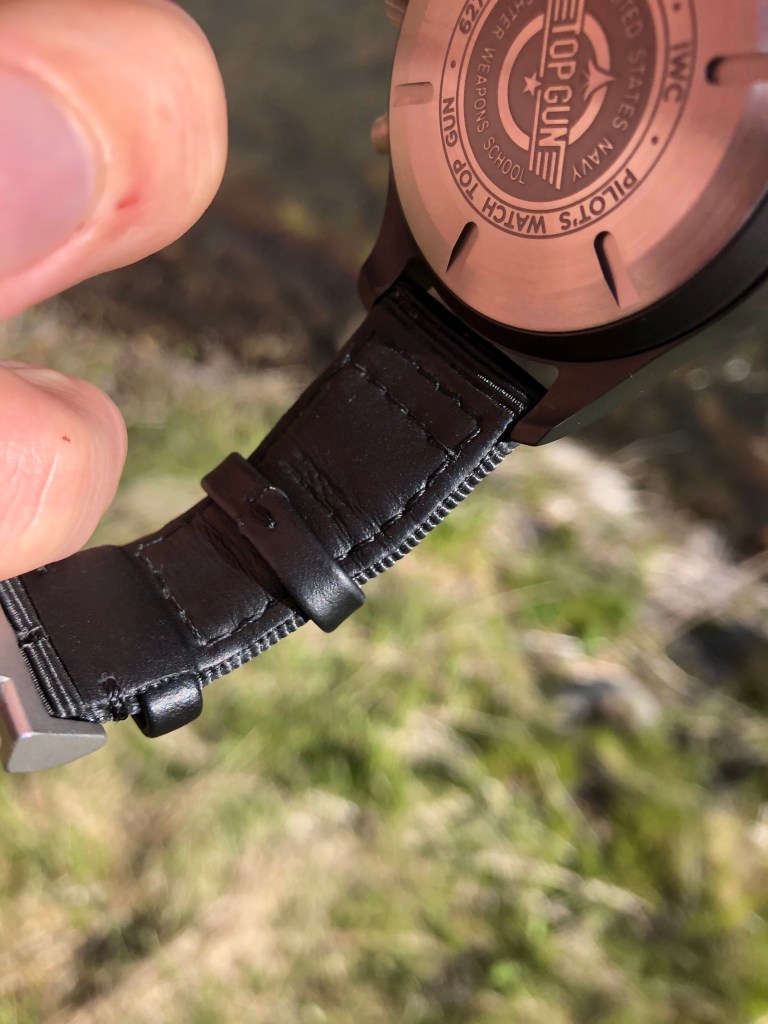
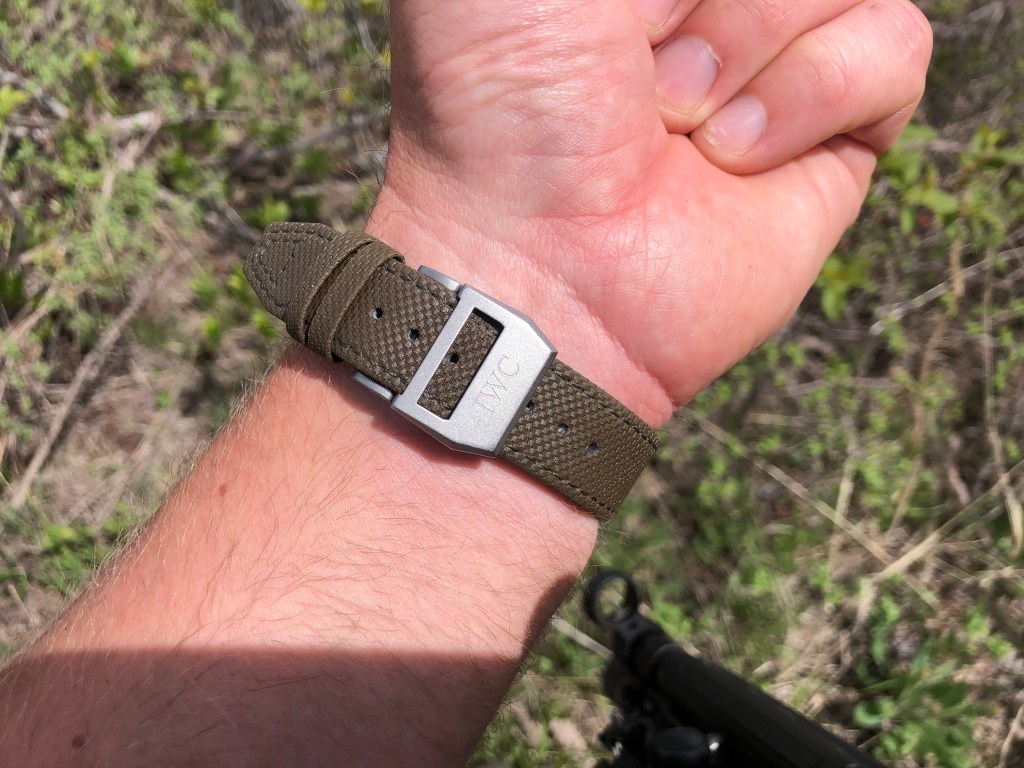
I recently received a green IWC calfskin strap, and it makes the watch even more comfortable to wear. It is embossed with a pattern that looks like nylon but feels better than any nylon strap I have ever owned. I hardly notice the watch now. It no longer wears like a thick watch, and it never gets tiring. I wonder if including a leather strap like this would help to make this watch more wearable for more people.
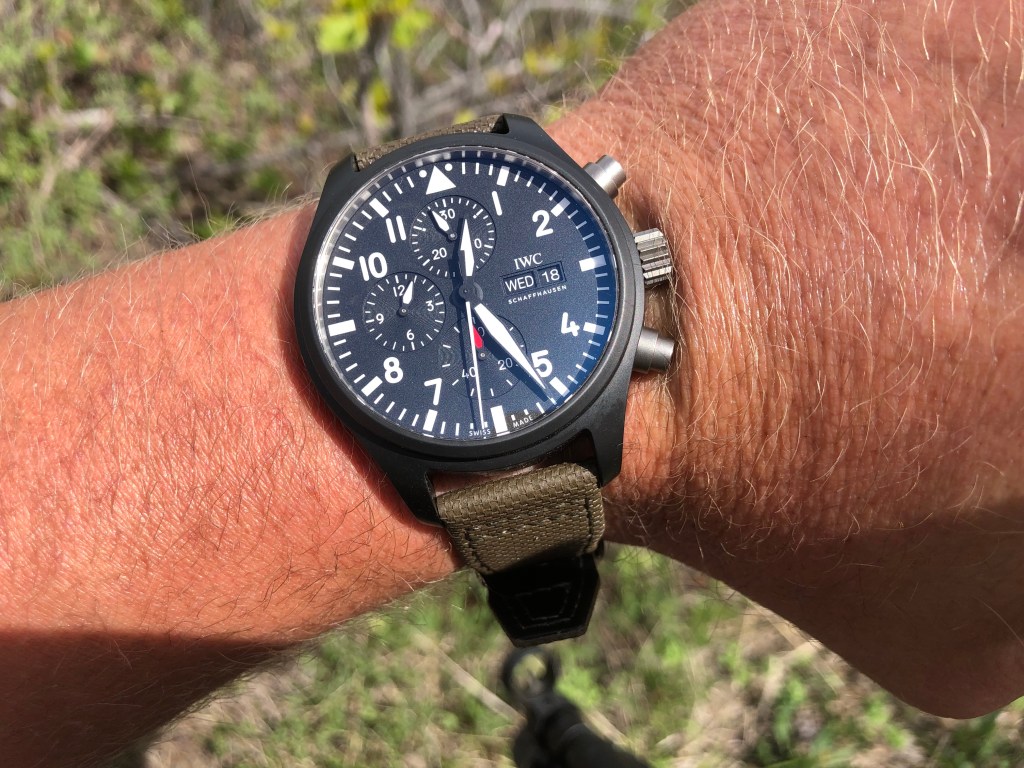
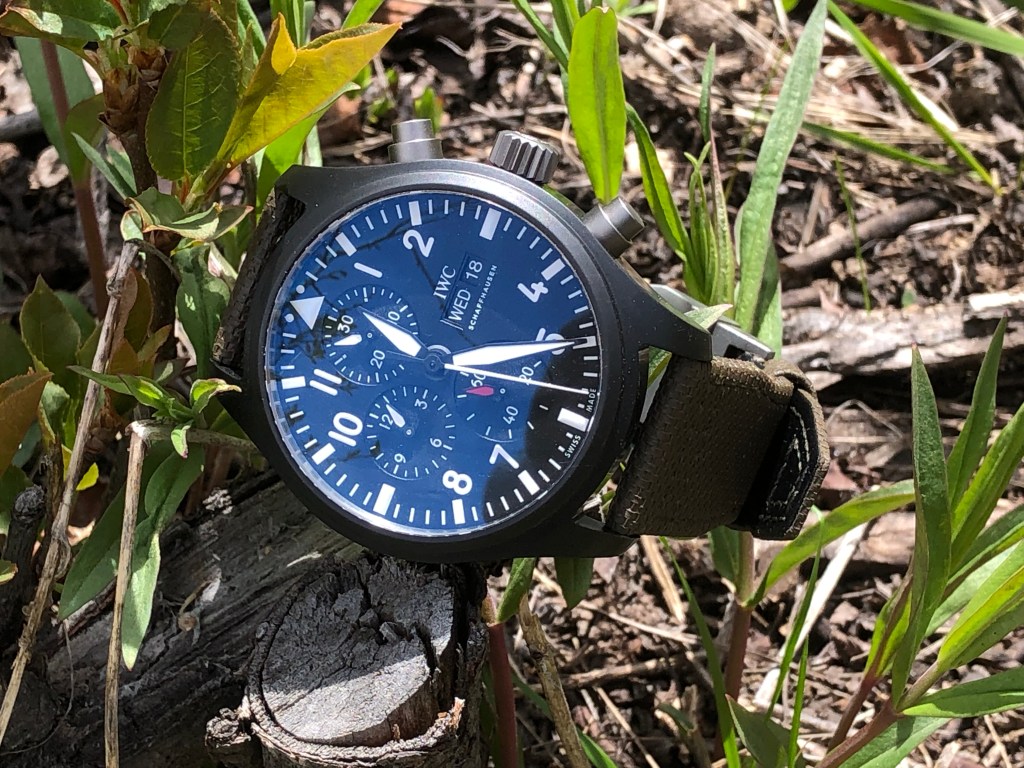
As for reading the time, it is easy (it is much easier to read than the Daytona). The hands are large and white, and the chronograph subdials are big and have white hands and markers. I use the chronograph every day to time my hikes, and it has made no noticeable difference in the watch’s timekeeping accuracy. Nor has it had any noticeable effect on the chronograph pushers. The movement keeps time to +3 seconds a day, no matter what I do with the watch. It is the IWC 69380 caliber based on the ETA/Valjoux 7750, I believe. The time is easy to set, so is the date and day, and winding it is a dream. It has shown no deviation in accuracy from the hits, drops, and knocks.
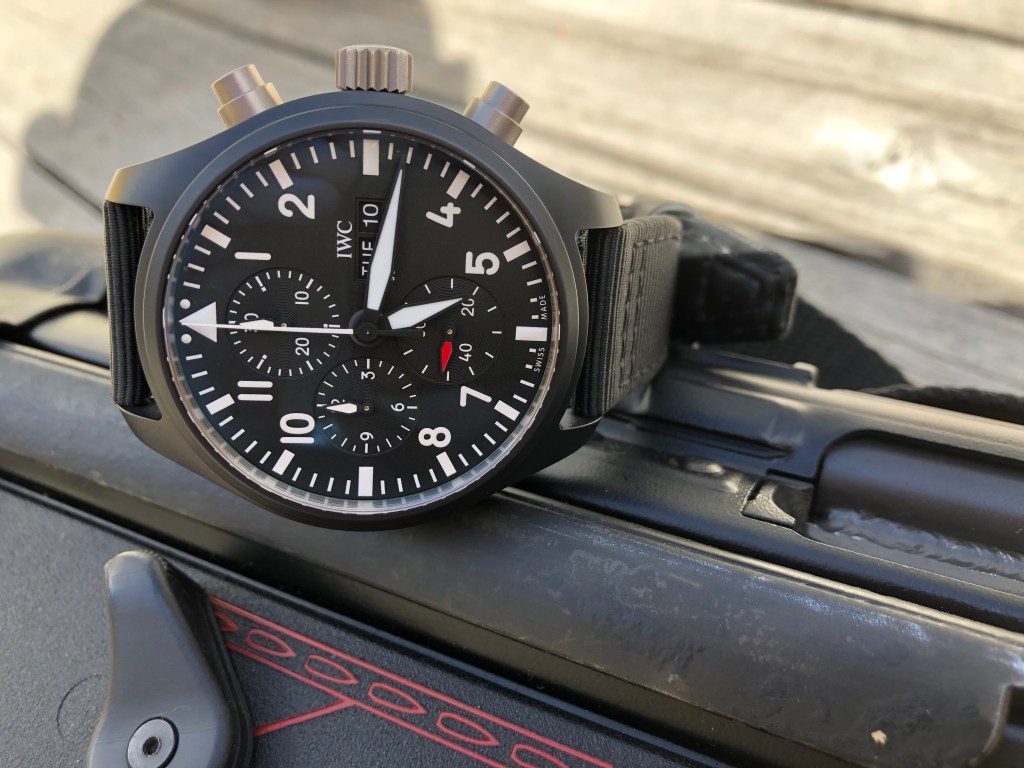
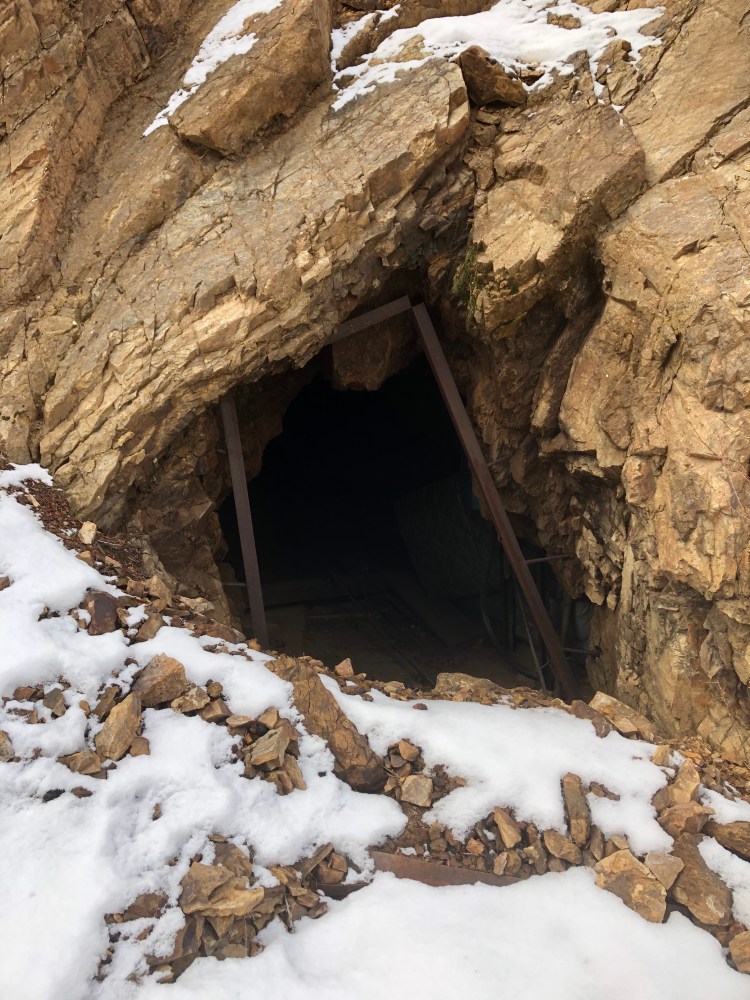
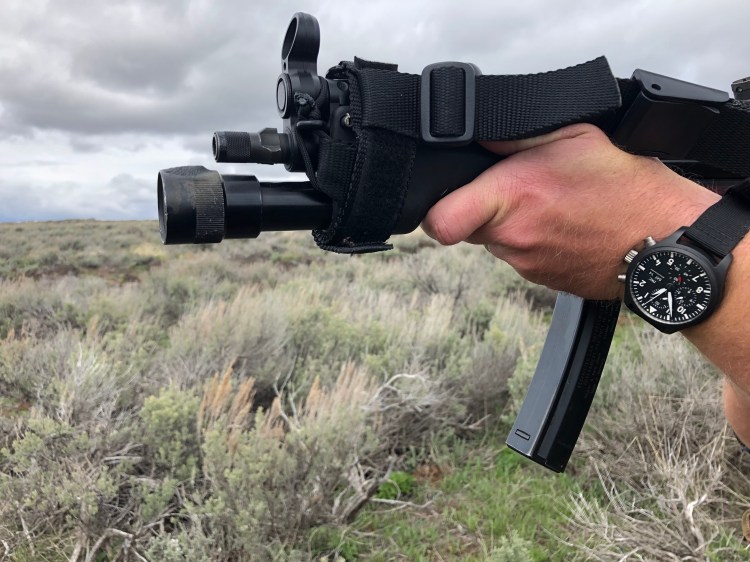
The ceramic case is the best part of the watch. There is not a scratch on it. I have dropped rebar directly on the side and lugs. I have fallen down hillsides multiple times while wearing it, scraped it on rocks, hit it with a glancing blow from a rock hammer, had chunks of broken rock projectiles hit it, and smacked it into doorframes and against my MP5 while running and shooting. I have crawled through mine shafts and tunnels with it on. Whatever people say about how easy it is for ceramic to crack, experience shows it will take more than the usual (and unusual) activities to make this happen.
My only complaint with this watch is its thickness. Why can’t IWC make this watch thinner? I understand the movement is thick, but the technology to manufacture a slimmer chronograph movement is available. Rolex did it with the Daytona; why can’t IWC do this with the Top Gun Chronograph? Hopefully, someday they can get this issue figured out.
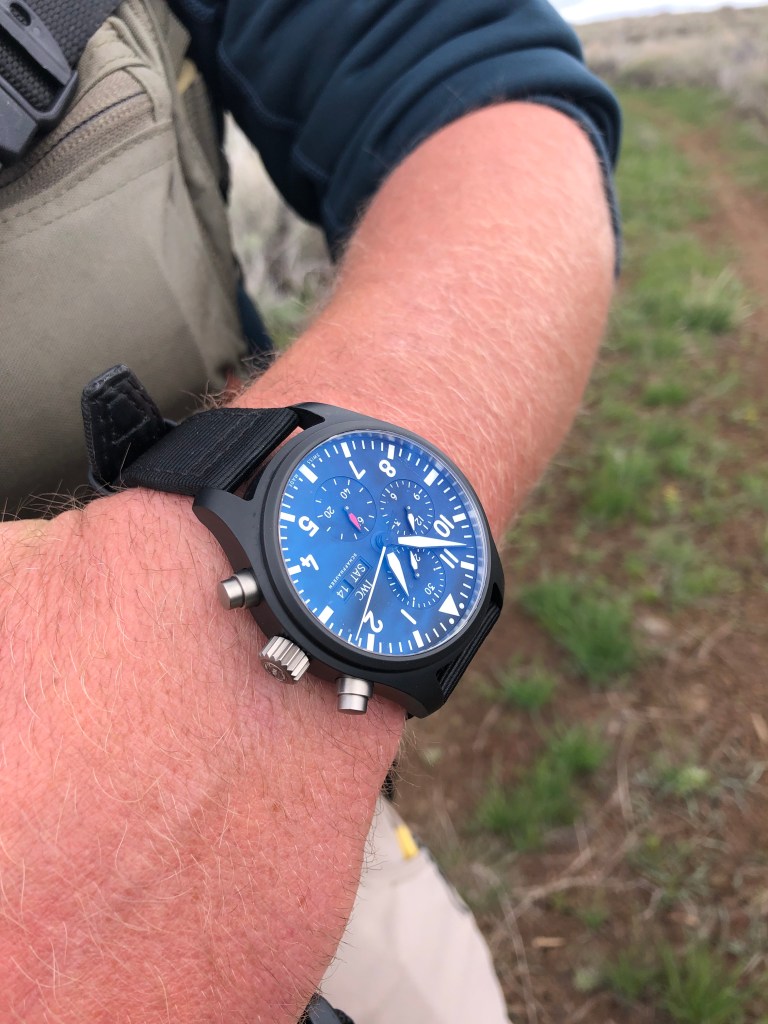
Now, when I set out to do some prospecting and continue my search to find my next mining claim, it is with an IWC on my wrist and a load of tools on my back. The more I wear it, the more I respect it as a companion when alone in the desert or woods. This IWC, or any watch, will not make me, but it is an excellent companion as I try to make myself and work in the world. Thank you, IWC, for a great horological companion to live life with.
Please note that I have no affiliation with IWC. This article is based on my opinion and my opinion alone.
I bought this watch from the wonderful people at Hal Davis Jewelers in Boise, Idaho. http://www.haldavis.com
 EscapementSV